"The words we use and how we say them are much more than sounds, they tell a story that gives us away, revealing a history about and behind us, a place and a people that we have come from."
"In "Becoming Multilingual," part 2 of my column, "¡Aguacate! Bringing Up Bebe Bilingüe," I use autoethnography as a writing approach to capture and represent the personal experiences of myself, a qualitative researcher, who has become the researched."
What this essay tries to capture is both the wonder and the inherent horror in potty training.
This film explores foreign EFL teacher identity construct dialectics in contemporary China, qualified by China/West geo-political tensions.
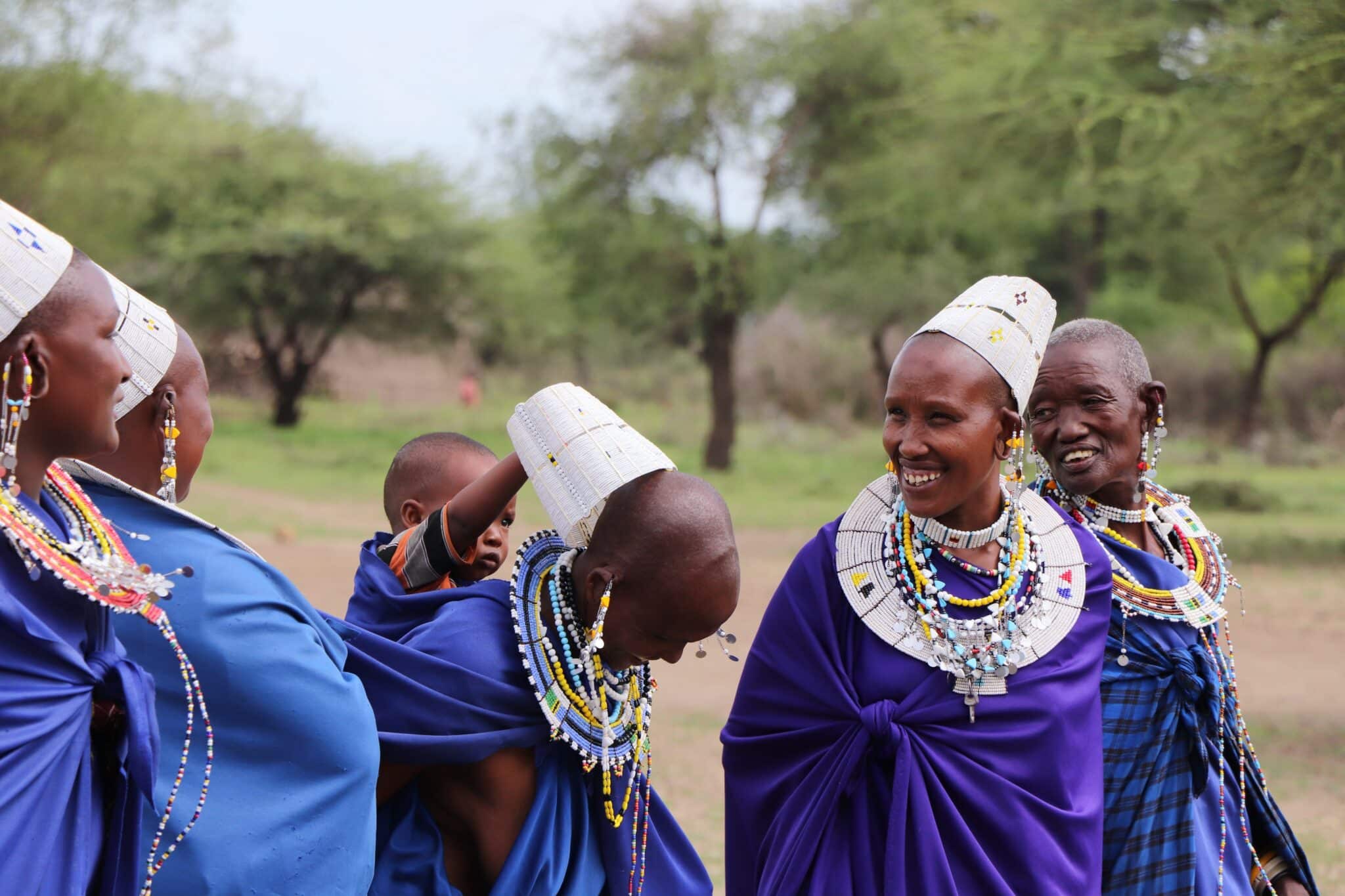
Ethology is a highly fictionalized ethnographic account of my travels around Tanzania, East Africa during my teens.
I. Hate. Black. History. Month. And I’m hopeful, that in time, you will come to hate it too!
“Manslation” explores several episodes from the author’s childhood and early adulthood that show the development of his sexual literacy.
This lighthearted essay illustrates an experience I had in Singapore while doing research for a book I was writing about spirituality.
The lyrics of "World's Greatest Man" grapple with the paradoxes of participant-observation as well as the ambiguity of development work in Thailand.
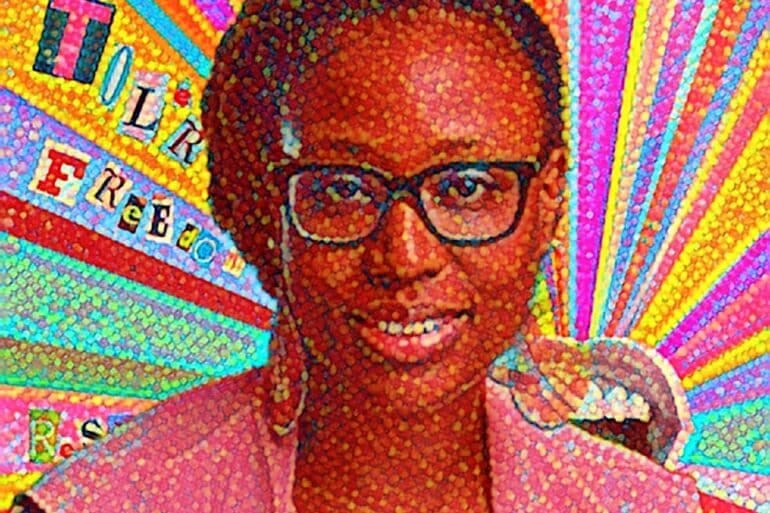
“blackwomanatwork” came out of my experiences working in academia as a first-generation immigrant black woman from the Caribbean.
I use poetry to describe living with ME/CFS, an illness that is chronic and invisible, thus bringing awareness to this little known diagnosis.
"My Old Kentucky Homo," highlights my failure to assimilate into the community in which I still live, fourteen years later.