Through all of the things that separate us, there is one universal experience that transcends all barriers: love.
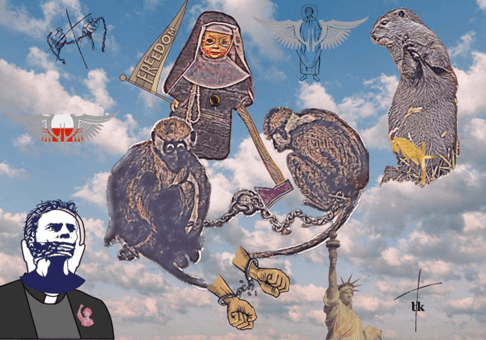
We address how to fragment and unite in this autoethnographic study, which we developed over the Messenger App. It utilises poetry and collage around death, loneliness, postmodern culture, and the latter’s related oppressive discourses and language, and alienation.

This work shows that the benefits of reading multiple texts, each from a different perspective provides opportunities for students.
The Ultimate Wave: Prose Poetry of the Pandemic and Parents Author’s Memo “The Wave” examines the problem of pleasure and...
"The AutoEthnographer is committed to diversity, equity, & inclusion in its administration; support of emerging authors and artists; & celebration of creative expression as a vehicle for shared understanding & positive change."
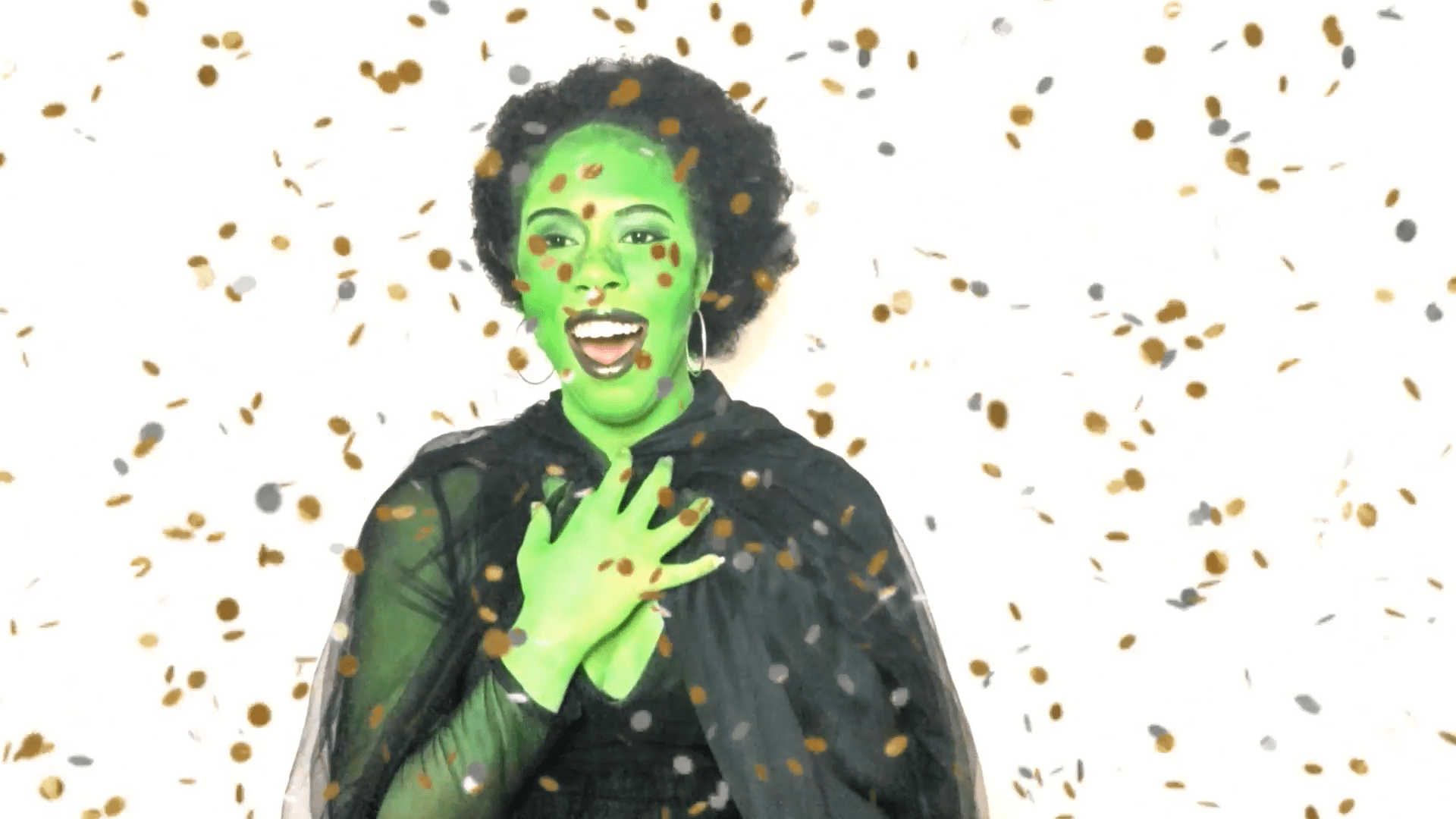
What happens when a witch is black? This piece is a salute to the transformational beauty of cosplay & all the laughter it inspires.
Lina Fe Simoy·
All ContentAutoethnographic EssaysAutoethnographic PoetryFrom the EditorsMoreVolume 3, Issue 2 (2023)
··5 min readThere are multiple approaches to find one's poetic voice depending on the lens one chooses as a part of the author’s creative process.
Catholic Boy Fights the Devil in the Mohawk River Valley is a short story that’s set in upstate New York during World War II. At a time when America was fighting fascist devils abroad, many were struggling with the devil’s influence at home.
“Letter from Okinawa” describes my research and observations into the impact the U.S. military has had on the island, and tells the story of the Japanese government’s historical culpability by colonizing, controlling, and discriminating against the island.
Alexandra Lasczik·
All ContentAutoethnographic EssaysCelebrating Dr. Patricia Leavy's Social Fiction 2024Special Issues
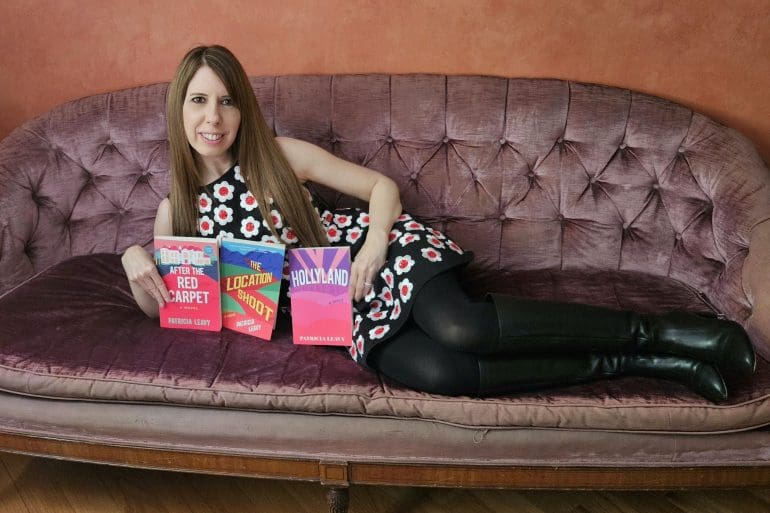
··20 min readPatricia Leavy is a genuine trailblazer, the real deal, an inspiration.
Patricia Leavy·
All ContentAutoethnographic EssaysCelebrating Dr. Patricia Leavy's Social Fiction 2024Special Issues
··26 min readThere’s also a larger goal underscoring my work. I aim to create a philosophy of the arts and a philosophy of love.
"In "Becoming Multilingual," part 2 of my column, "¡Aguacate! Bringing Up Bebe Bilingüe," I use autoethnography as a writing approach to capture and represent the personal experiences of myself, a qualitative researcher, who has become the researched."