I use autoethnography to provide first-hand observations in the predominantly conservative English classroom as a way to analyze and understand a rise in toxic masculinity and its detrimental impacts.
This video explores how editors have developed their approach to reviewing creative autoethnography and highlights strategies for contributors.
"In my interview with award-winning author Patricia Leavy on literary research, we also discuss her evolution from academic to novelist, her genre of "social fiction," and her latest novels series, Celestial Bodies."
"In our latest chat, Patricia Leavy discusses the evolution of the self-coined social fiction genre and offers a sneak peek at her latest publication, Film Blue."
Marlen Harrison·
All ContentAutoethnographic Art & MultimediaEducationFrom the EditorsMoreReflections on MethodVolume 2, Issue 1 (2022)
··5 min read"In this brief, animated autoethnography, I utilize the concept of a sociocultural third space to consider why evocative autoethnography can benefit from its own literary and arts journal."
What is autoethnography? The AutoEthnographer's international team of editors offer definitions & suggested readings.
Through our collaborative autoethnography, we learned that intentionally spending time with grief is well worth the effort.
Dilek Isler Hayirli·
All ContentAutoethnographic Art & MultimediaEducationFrom the EditorsMoreReflections on MethodVolume 2, Issue 3 (2022)
··13 min read"I had not been aware that this emotional research was also performing autoethnography, collecting memories from the field"
Ulla-Maija Matikainen·
All ContentAutoethnographic EssaysAutoethnographic PoetryEducationFrom the EditorsMoreVolume 3, Issue 2 (2023)
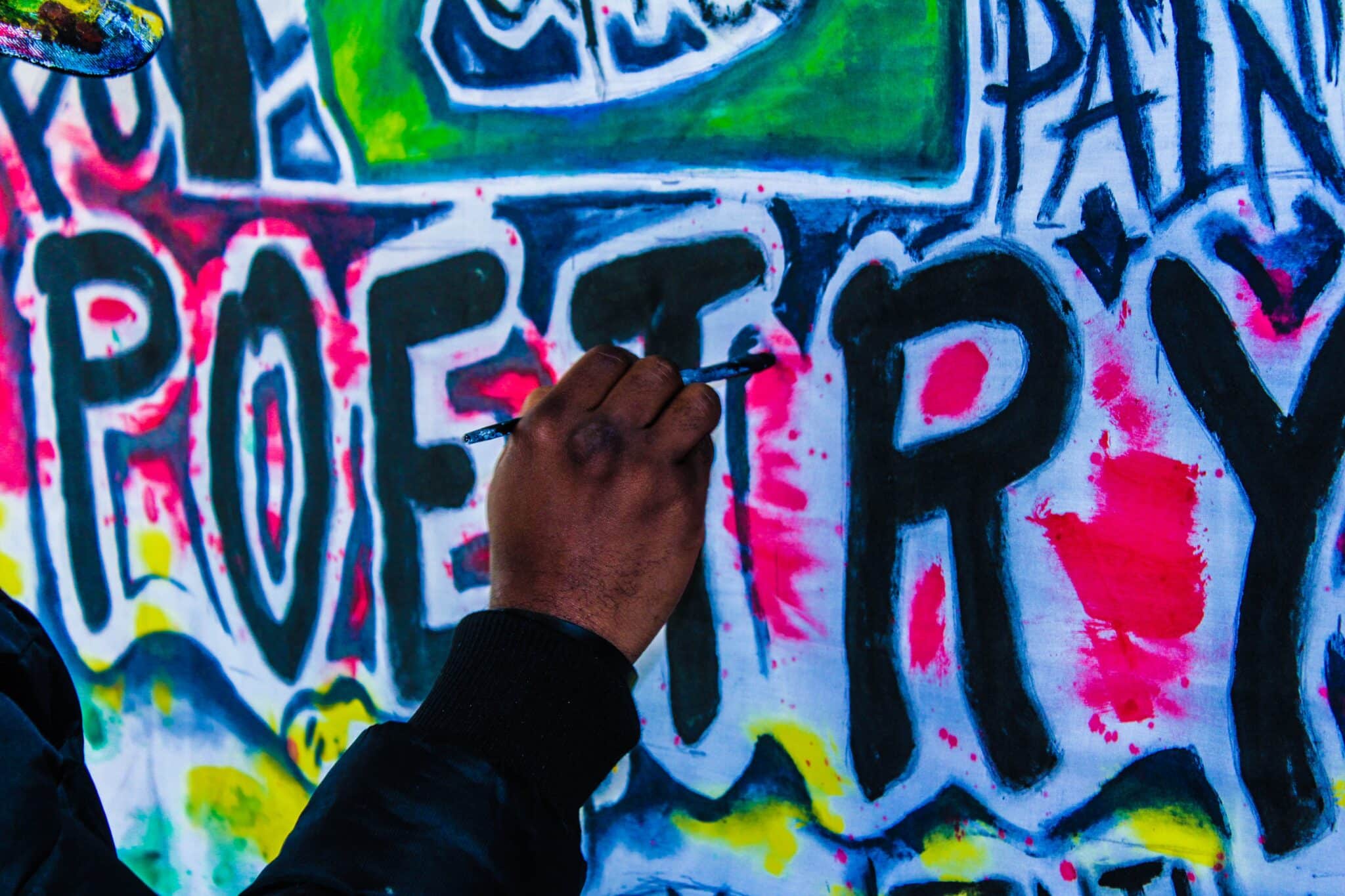
··4 min read A tsunami of words, images, learned and pushed feelings and thoughts go through us every day. Poetry is a way to find our own voice.
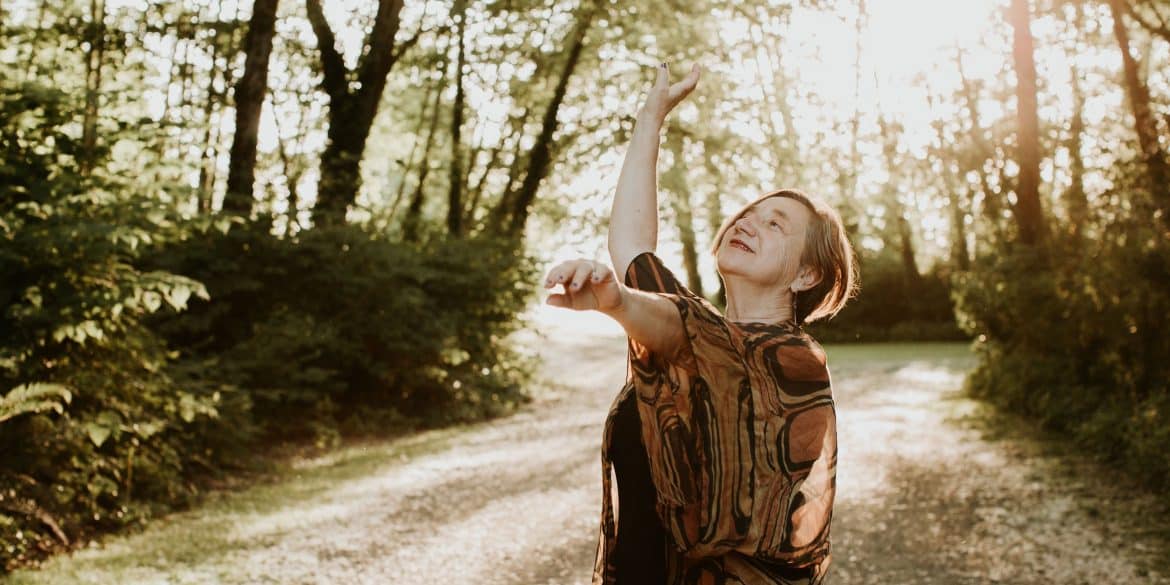
"Autoethnography and culture: Embodied inquiry is not a formula, or methodology, but a way of being, being open to the body as a source of knowledge, wonder, difficulty, fragility and utter joy."

I introduce artistic autoethnography and how the term a/r/tifact opens up the imagination to the possibilities of autoethnographic artmaking.
"One way to reach broader audiences is to embrace creative nonfiction and use storytelling as academic writing."