"Because I was so immersed in both history, bound in good-smelling leather, no less, and in beautiful and evocative little bottles around me as playthings, I guess it needed no further prompting. It was within my blood before I could think about what I wanted to do with my life!"
"When I review evocative autoethnography I look for that layer in the contribution that will entertain and connect to a cultural issue."
"When I was first accepted into the PhD by research program in the UK, I had mixed feelings, mainly because I was about to pursue a career that I didn’t have the heart for, and partially because I would need to explore yet another new culture, country, and environment."
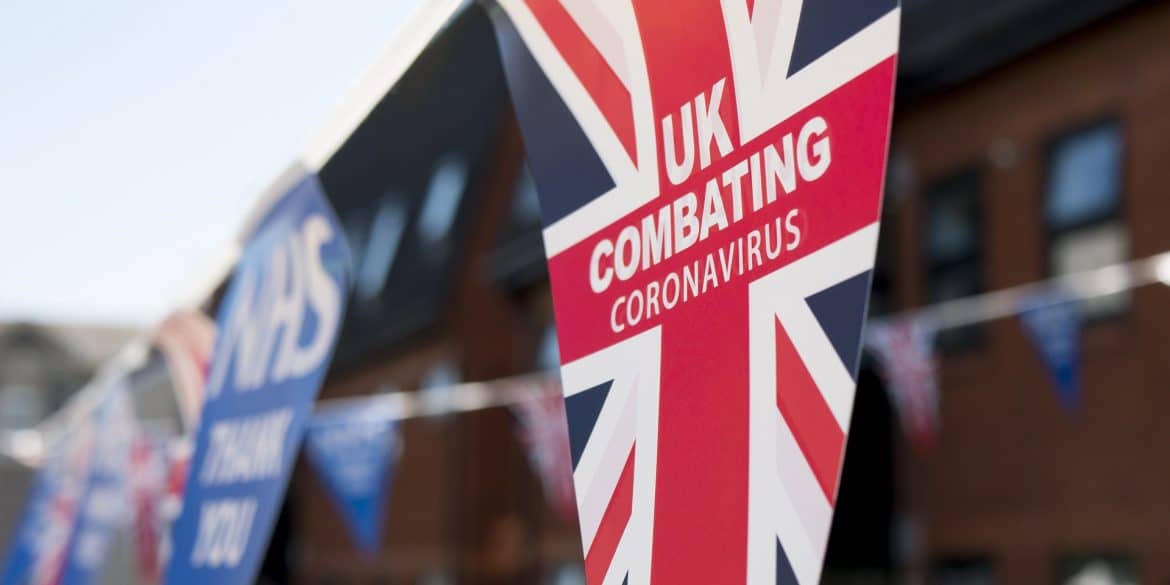
"She has been so careful at work; she has had all of her shopping delivered for weeks, actually for months, now; she's even wiped down the items with bleach as they are delivered, and still does. How can this have happened?"
"I called out the demons one by one. I named them. I gave them precise blocking and ultimately, I controlled where they stood, breathed, and bourréed. I gave them an entrance, and a stage, and then I sent them away."
"Everybody is a poet in the sense that everyone was/is making do—and making magic—with what they had/have."
"It is in finding these solutions, the tape and the glue that holds us all together, that we find the beauty of who we are as people."
”I share this artistic piece as an invitation to problematise and think further about not only the Autoethnographic “I/We” in what I/we can know about ourselves and our bodies but also to make space for the incoherence that becomes a part of “being” and “knowing” in explorations of fragmentation and loss.”
"We began this autoethnographic essay thinking about the love the teachers have for their students."
"Then comes that special brand of rage and dejection that the patriarchy inspires by attempting to steal away with my bodily autonomy."
Volume 1, Issue 2, Summer 2021
"As fragrance, and perfume in particular, has played a major role in the shaping of my writer’s voice, and participation in cultures of fragrance has had a major impact upon my identity, it is impossible to situate myself outside of these cultures. It is because of this privilege of “insider identity” within the global fragrance community and my natural inclination towards narrative research that I turned to autoethnography."