However, this autoethnographic piece helped me recognize the importance of levity even when the intellectual content is heavy.
"This is my childhood memory of realizing the power of laughter when everything interior and exterior makes me scared."
Christine Sleeter·
All ContentAutoethnographic EssaysCelebrating Dr. Patricia Leavy's Social Fiction 2024MoreReflections on MethodSpecial Issues
··23 min readChristine Sleeter writes about Dr. Patricia Leavy's new genre, Sleeter's own books and her reflections on the social fiction series.
Marlen Harrison·
All ContentAutoethnographic Art & MultimediaClimate Change Special Issue, 2022InterviewsMorePodcastsSpecial Issues
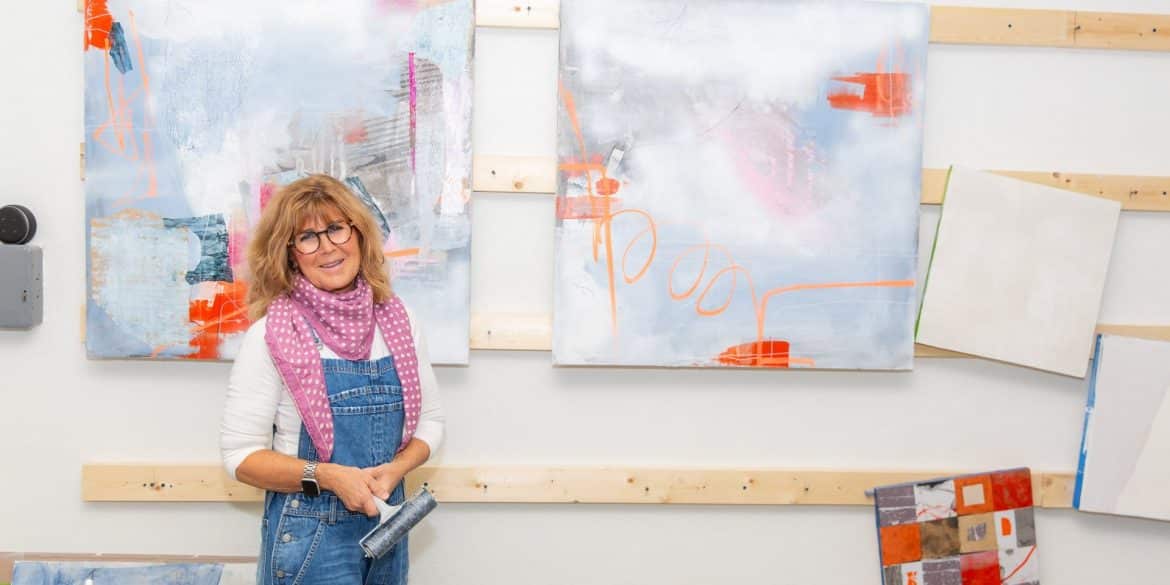
··15 min read"Award-winning artist, Suzanne Hughes, talks about autoethnography and painting. Suzanne is responsible for the cover art for our special issue based on climate change."
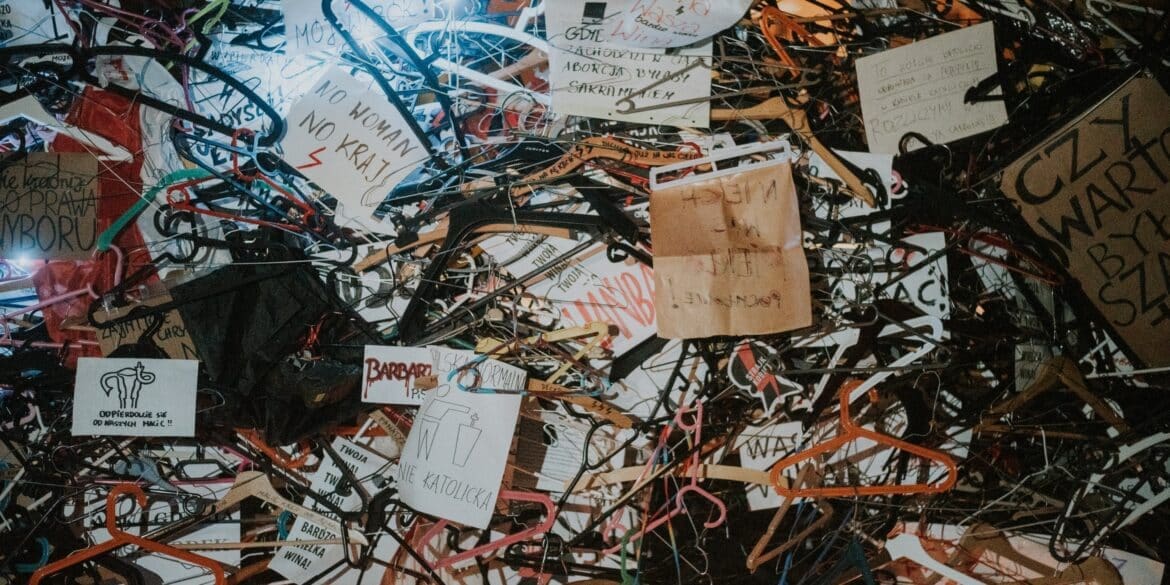
"Damned," the first publication in The AutoEthnographer's Bodily Autonomy issue, is the product of my confused reflection and internal conversations with the culture that raised me."
Tabitha Chilton and Gioia Chilton·
All ContentAutoethnographic EssaysCelebrating Dr. Patricia Leavy's Social Fiction 2024Special Issues
··23 min readLow-Fat Love Stories is the result of arts-based research on romantic, familial, and intrapsychic dissatisfying relationships, written by Patricia Leavy.

This piece recounts a trip I took to the Czech Republic and it is proof that language barriers similarly embolden people to speak cruelly.
"This is an autoethnographic narrative where I use my own marriage to tell a story about love, bodily autonomy, acceptance and illness."
In this story I shifted my attention to the young woman –a nurse or a volunteer– who sat beside me and held my hand throughout abortion.
"I have continued to explore the usefulness of various poetic forms as a mechanism for providing access to suppressed internal voices."
My essay tells my life story in relation to a specific moment in the history of American women’s access to abortion and reproductive justice.
This piece situates me in a set of sour in-laws relationships that also involved the legal system and it is in the form of autoethnography.