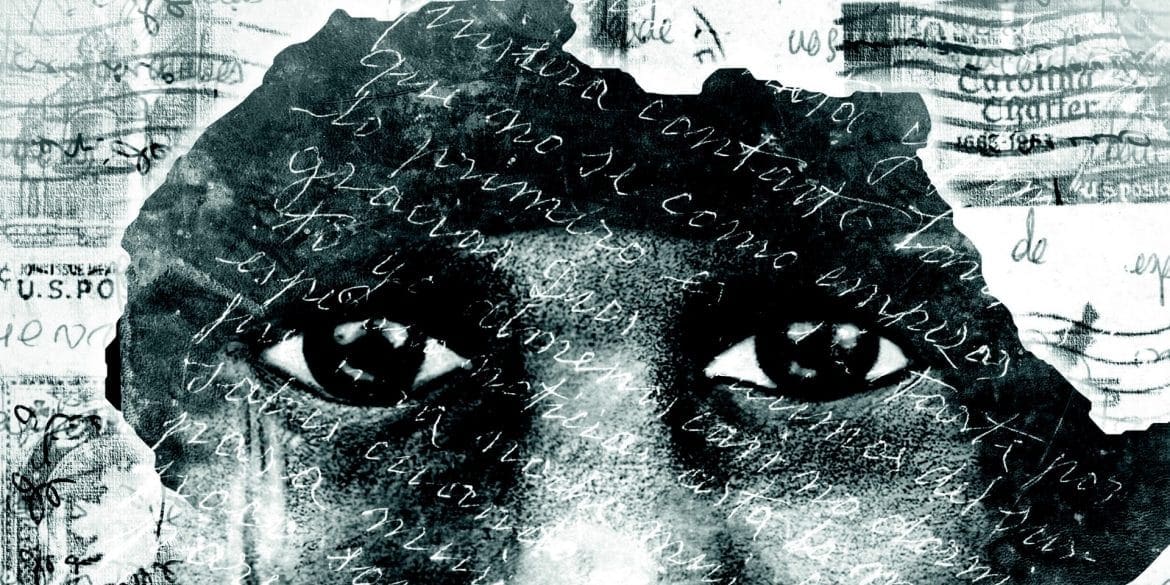
“I Hate Black History Month,” Pinkie Points It OutRenata Ferdinand·All ContentAutoethnographic EssaysFrom the EditorsMoreVolume 3, Issue 1 (2023)·February 15, 2023·3 min readI. Hate. Black. History. Month. And I’m hopeful, that in time, you will come to hate it too! Read More
New Podcast: How Can Collage Be Utilized in Autoethnography?Marlen Harrison and Sandra L. Faulkner·All ContentMoreNews, Interviews & ReviewsPodcastsReflections on MethodVolume 3, Issue 1 (2023)·January 6, 2023·16 min readIn The AutoEthnographer’s latest podcast, Marlen Harrison talks with Sandra Faulkner about collage and visual poetry. Read More
Artistic Autoethnography: How Can We Open the Door to Boundless Artmaking?Karenanna Boyle Creps·All ContentEducationMoreReflections on MethodVolume 3, Issue 1 (2023)·March 1, 2023·4 min readI introduce artistic autoethnography and how the term a/r/tifact opens up the imagination to the possibilities of autoethnographic artmaking. Read More
Pinkie Points It Out: Never Tell a Black Woman…Renata Ferdinand·All ContentAutoethnographic WritingFrom the EditorsMoreVolume 3, Issue 1 (2023)·January 5, 2023·4 min read"I’m Pinkie, the brash I don’t give a fuck alter ego of Renata Ferdinand. I am emerging from the shadows, and blissfully, with my own column." Read More
New Podcast & Video: How do Google & Autoethnography Go Together?Marlen Harrison, Kasey McCormack, Sophie Olsen, Amanda Lapin and Addison Tice·All ContentAutoethnographic Art & MultimediaInterviewsMorePodcastsVolume 3, Issue 1 (2023)·February 22, 2023·17 min readIn today's new podcast & video Marlen Harrison talks with current marketing interns about the role of culture in using Google Ads. Read More
The Call of Otherness: Fear & AweUlla-Maija Matikainen·All ContentAutoethnographic EssaysFrom the EditorsMoreVolume 3, Issue 1 (2023)·January 26, 2023·5 min readOur editor Ulla-Maija Matikainen is questioning the call of otherness and narrates her discovery about the sameness that she has seen. Read More
Experimental Poetry: Libre OfficeNika Mavrody·All ContentAutoethnographic PoetryVolume 3, Issue 1 (2023)·February 4, 2023·12 min readThis work of experimental poetry examines the interaction between the happy user of the open source format and the automated surface. Read More
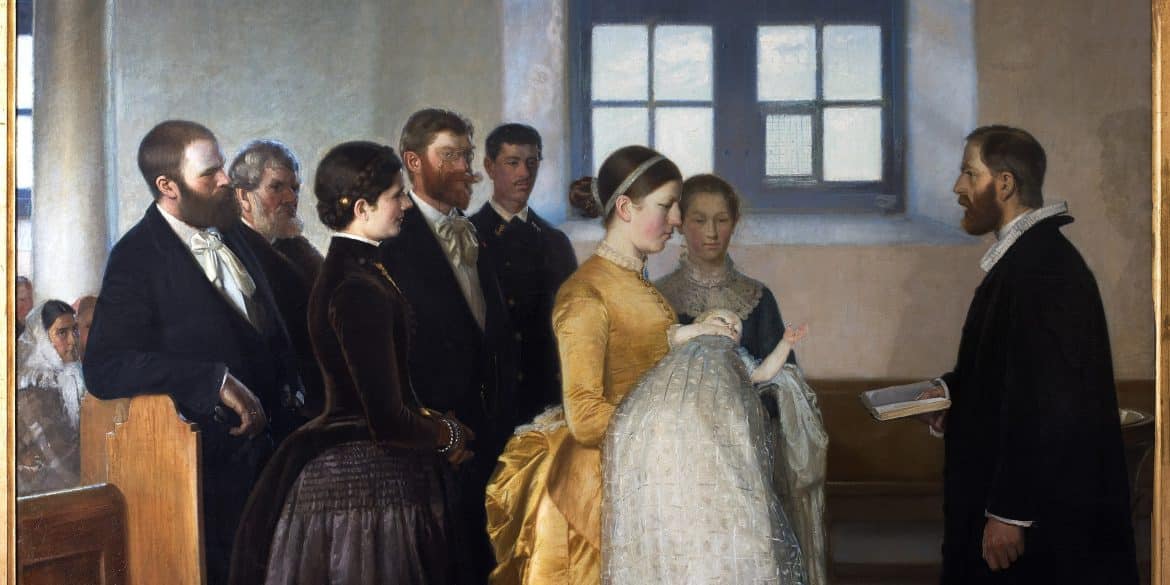
New Age Sage: The Christening GownCatherine Vandermal·All ContentAutoethnographic Literary NonfictionVolume 3, Issue 1 (2023)·January 18, 2023·13 min read"The Christening Gown' is an autoethnographic exploration of the significance of a family heirloom for an Irish Catholic family in the USA." Read More
Hollyland: Writing Fiction to Celebrate the ArtsPatricia Leavy and Marlen Harrison·All ContentMoreNews, Interviews & ReviewsVolume 3, Issue 1 (2023)·February 13, 2023·5 min readIn the following interview with award-winning author, Patricia Leavy, we discuss writing fiction and her new novel Hollyland. Read More
Autoethnographic Nonfiction: Grieving, or How to Make the Best Spinach LasagnaZsofia Czako, Walter Burgess and Marietta Morry·All ContentAutoethnographic Literary NonfictionVolume 3, Issue 1 (2023)·March 17, 2023·14 min readIn the autoethnographic "Spinach Lasagna", the narrator joins a family of southern Italians and learns that grieving is cultural. Read More
Flash Nonfiction: Not Forgotten, Another Glimpse into the Funeral IndustryHollace Sheppard·All ContentAutoethnographic Flash NonfictionVolume 3, Issue 1 (2023)·January 5, 2023·2 min read"Not Forgotten: Another Glimpse into the Funeral Industry" is a new work of flash nonfiction from our columnist Hollace Sheppard. Read More
A Poem & Dance for Pina Bausch: “Love Sweet Love”Jerrice J. Baptiste·All ContentAutoethnographic Art & MultimediaAutoethnographic PoetryVolume 3, Issue 1 (2023)·January 5, 2023·3 min read"I danced each morning with Pina Bausch. I became her pupil lifting my leg up in the air like a flamingo except feeling more awake than I’ve ever been." Read More