
POPULAR ARTICLES






autoethnographer: one who uses lived experience as evidence with which to explore cultural phenomena.
FROM OUR ARCHIVES
”I still aim to engage in the process of life, commit to a meaningful purpose, and structure my life around an intrinsically satisfying activity. For me, I will continue writing as a way to make sense of what it means to be alive.”
"For the first time since my adolescence, I am recognizing that I don’t have to believe what everyone believes, nor do I have to base my morals on faceless strangers who don’t know who I am, or what my experiences are."
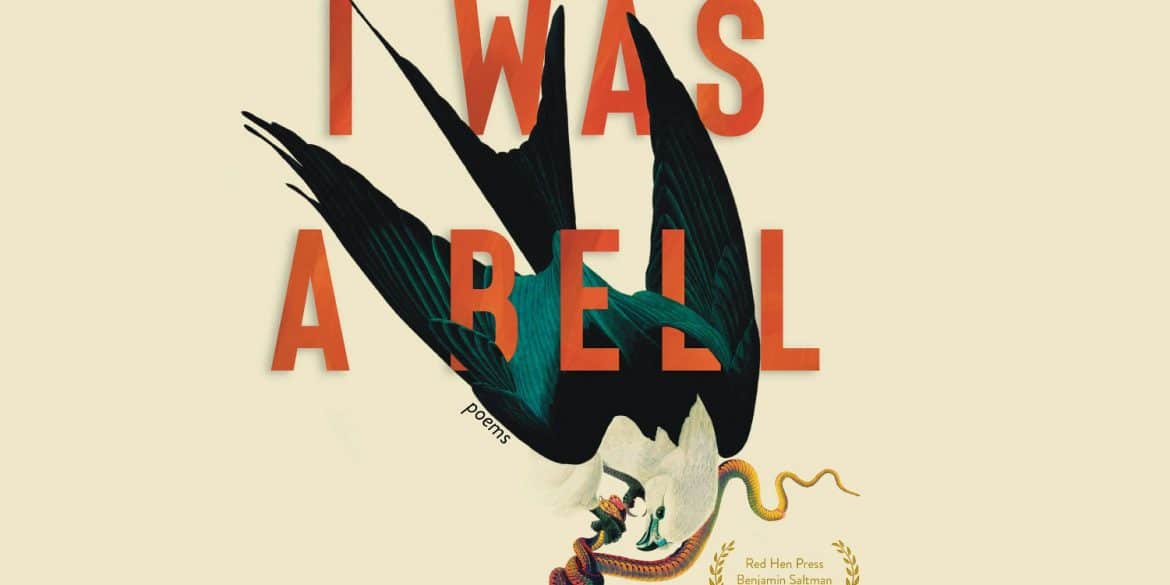
The poems in this collection are a reflection on my zero waste aspirations (and the values behind the movement at large).
My weird depression showed up this summer like “hey sis!” And I was like “fuck my life”! I wasn’t ready. This time, it caught me off guard.
This piece works to contextualize aging in the queer community, the complexities of developing trends in spectacle versus intimacy, the depth and shallow natures that are found in performance, as well as the fear and hope that can be found as a queer person.

Patricia Leavy·
All ContentAutoethnographic EssaysCelebrating Dr. Patricia Leavy's Social Fiction 2024MoreReflections on MethodSpecial Issues
··11 min readWriting fiction allows me to document reality and to reimagine it, just as we can always reimagine ourselves. And that is why we need stories.

In this essay, the current reality of queerness is juxtaposed against milestones in my own life as a queer man in America.
Poems As a Form of Powerful Activism and Barrier-breakers is a compilation of three poems which mean a lot for me.

“Tired,” the titular poem and the collection at large, is an autoethnography looking at the cause of so much pain, so much fatigue. Anthropomorphizing the feeling of being tired gave me creative license to dramatize and explore the real experiences of needing a break...

“blackwomanatwork” came out of my experiences working in academia as a first-generation immigrant black woman from the Caribbean.

"She needs to be an artist to be an artist-teacher in adult community learning. She needs to do both to become the best she can be."

The Karen Disorder: Breaking Free from the Chains of Institutional Labels emerges from my research in the field of illness and identity.
FROM OUR ARCHIVES



autoethnographer: one who uses lived experience as evidence with which to explore cultural phenomena.
What is autoethnography? The AutoEthnographer's international team of editors offer definitions & suggested readings.

“The AutoEthnographer is an award-winning, non-profit, open-access, peer-reviewed literary and arts magazine dedicated to presenting the creative side of autoethnography, a qualitative research method uniting ethnography and autobiography that utilizes lived experience as evidence with which to explore cultural phenomena." ISSN: 2833-1400
AUTOETHNOGRAPHIC WRITING









AUTOETHNOGRAPHIC POETRY








AUTOETHNOGRAPHIC WRITING

J. Sumerau·
All ContentAutoethnographic Flash NonfictionAutoethnographic Literary FictionVolume 3, Issue 4 (2023)
··19 min readThis short story about a night in a shed is an attempt to encourage any reader to think about the stories that circulate within communities.

This particular piece, "What is Human, Remains" looks back at my first year as a teacher, and the unexpected activism in my students.
This essay describes my experiences of the arts during the Covid-19 when arts and culture organizations had to pivot to virtual offerings.
AUTOETHNOGRAPHIC MULTIMEDIA





Shanita Mitchell and Marlen Harrison·
All ContentAutoethnographic Art & MultimediaMorePodcastsReflections on MethodVolume 3, Issue 2 (2023)
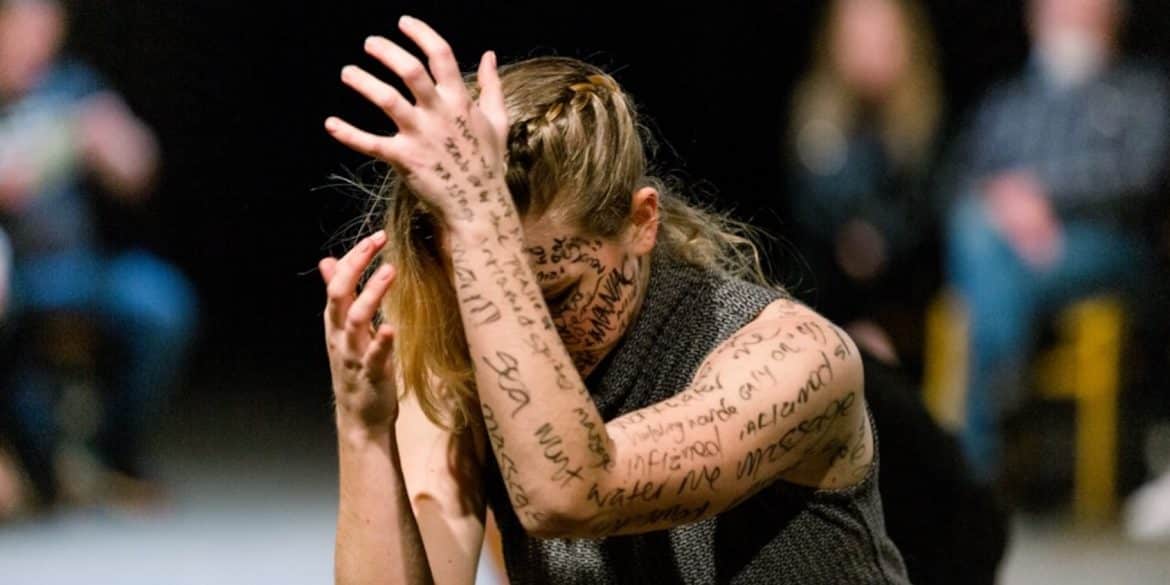
··18 min readToday we're talking with the award-winning author, researcher, and performer, Shanita Mitchell about performance and autoethnography.

The lyrics of "World's Greatest Man" grapple with the paradoxes of participant-observation as well as the ambiguity of development work in Thailand.
Dilek Isler Hayirli·
All ContentAutoethnographic Art & MultimediaEducationFrom the EditorsMoreReflections on MethodVolume 2, Issue 3 (2022)
··13 min read"I had not been aware that this emotional research was also performing autoethnography, collecting memories from the field"
I worry about survival. Bluntly put, according to the Academy of Sciences almost every person on earth will be affected by climate change.
The poems in this collection are a reflection on my zero waste aspirations (and the values behind the movement at large).

Through all of the things that separate us, there is one universal experience that transcends all barriers: love.
How do creatives find joy in artistic performance as a form of black feminist autoethnography? Podcast & video.

Christine Sleeter·
All ContentAutoethnographic EssaysCelebrating Dr. Patricia Leavy's Social Fiction 2024MoreReflections on MethodSpecial Issues
··23 min readChristine Sleeter writes about Dr. Patricia Leavy's new genre, Sleeter's own books and her reflections on the social fiction series.
"Once I have the first line or two, the rest of the poem seems to flow rather easily. I write whatever comes to mind. Somewhat like a story rather than a poem. I then start to take out the excess words and phrases and pare it down to the essence of what I wish to say. Other times I do not change a word. The muses come and go on their own. I also believe poetry has chosen me."

I wrote a study of my own faith, bankrupt as it may be, using story of my father, through the lens of Jewishness as I define it for myself.

Laurel Richardson and U. Melissa Anyiwo·
All ContentAutoethnographic EssaysCelebrating Dr. Patricia Leavy's Social Fiction 2024MoreReflections on MethodSpecial Issues
··14 min readLaurel Richardson and U. Melissa Anyiwo writes the introduction to this special issue celebrating Dr. Patricia Leavy’s work.

Catherine Berresheim·
All ContentAutoethnographic Literary NonfictionAutoethnographic WritingBodily Autonomy Special Issue, 2022-23Special Issues
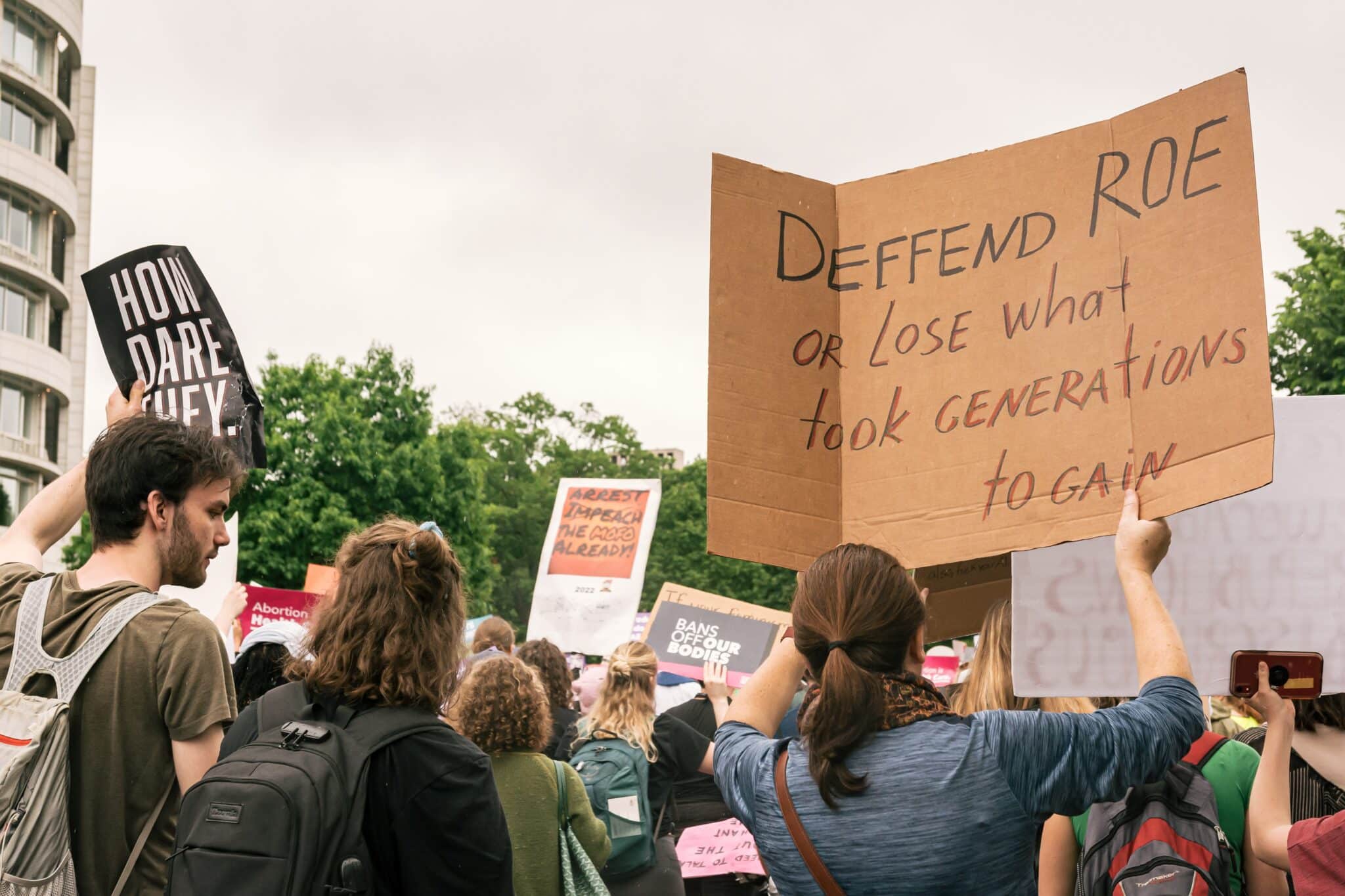
··14 min readLEARN MORE “Bodily Autonomy: A Fetus for a Fetus” explores the cultural issues of what it means to...
NEWS, INTERVIEWS & REVIEWS

”As of January, 2022 The AutoEthnographer Literary & Arts Magazine is recognized by the United States Internal Revenue Service as a registered nonprofit organization with the mission of becoming a trusted, open-source platform to share and educate readers about evocative personal inquiry, to support emerging authors and artists, to promote cultural diversity and appreciation, and to celebrate creative expression as a vehicle for shared understanding.”
How do creatives find joy in artistic performance as a form of black feminist autoethnography? Podcast & video.

Editor Guillermo Gil's latest book review examines Chin who highlights her relationship to things, and/or her obsessing over wanting and buying things, and many more.
SPECIAL ISSUES




EDUCATION, INTERVIEWS, PODCASTS, & REVIEWS







REFLECTIONS ON METHOD