
POPULAR ARTICLES






autoethnographer: one who uses lived experience as evidence with which to explore cultural phenomena.
FROM OUR ARCHIVES
"My poems for this special issue seek to document a history of my choice, not just personally but humanly, to use autoethnography to weave through the personal and the political."

I wrote a study of my own faith, bankrupt as it may be, using story of my father, through the lens of Jewishness as I define it for myself.

Ash Watson·
All ContentAutoethnographic EssaysCelebrating Dr. Patricia Leavy's Social Fiction 2024Special Issues
··13 min readLeavy’s 2019 novel about a week-long all-inclusive Icelandic research seminar wends its way through meetings, planning sessions, excursions, debates and dinners to the heart of the paradigms and epistemological questions that structure and drive scholarly research.
"In the newest video from The Twerking Academic, I explore how the summer of 2020 slammed me back into an awareness of my own double consciousness as a Black American."
Ulla-Maija Matikainen·
All ContentAutoethnographic Literary FictionAutoethnographic PoetryAutoethnographic WritingVolume 2, Issue 1 (2022)
··12 min read"A woman alone doesn’t belong to any male power or protection sphere. She can be kidnapped into fears and dreams."
However, this autoethnographic piece helped me recognize the importance of levity even when the intellectual content is heavy.
Catherine Berresheim·
All ContentAutoethnographic Literary NonfictionAutoethnographic WritingBodily Autonomy Special Issue, 2022-23Special Issues
··14 min readLEARN MORE “Bodily Autonomy: A Fetus for a Fetus” explores the cultural...
This sestina poem reflects and validates my own personal experience as a 14-year-old who was dealing with something I couldn’t initially even name; anxiety.
Ulla-Maija Matikainen·
All ContentAutoethnographic EssaysAutoethnographic PoetryEducationFrom the EditorsMoreVolume 3, Issue 2 (2023)
··4 min read A tsunami of words, images, learned and pushed feelings and thoughts go through us every day. Poetry is a way to find our own voice.

In this 2nd of my Processing Parental Grief series, Calliandra receives a letter from her mother weeks after her death.
"At what age does a Black woman learn that it is her job to be strong?"
This work illustrates the very personal process of a Chinese-born immigrant to the U.S. and a U.S. born citizen learning about each other's cultures over the course of a 27 year marriage.
FROM OUR ARCHIVES


autoethnographer: one who uses lived experience as evidence with which to explore cultural phenomena.

What is autoethnography? The AutoEthnographer's international team of editors offer definitions & suggested readings.
“The AutoEthnographer is an award-winning, non-profit, open-access, peer-reviewed literary and arts magazine dedicated to presenting the creative side of autoethnography, a qualitative research method uniting ethnography and autobiography that utilizes lived experience as evidence with which to explore cultural phenomena." ISSN: 2833-1400
AUTOETHNOGRAPHIC WRITING








AUTOETHNOGRAPHIC POETRY



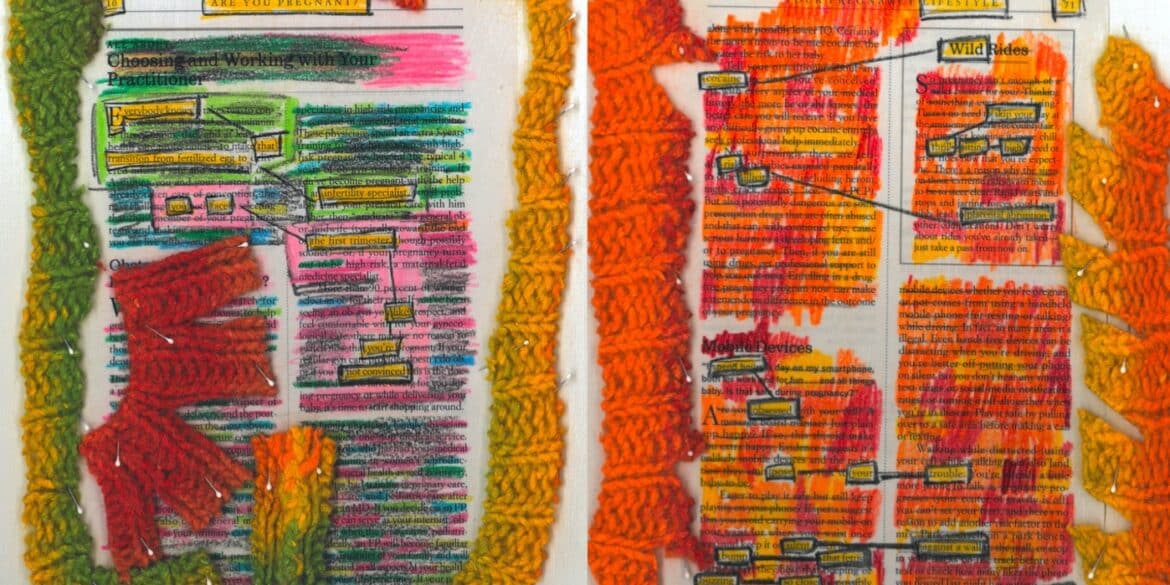

AUTOETHNOGRAPHIC WRITING

This autoethnographic essay offers a musing on the intricate relationship between language, writing and identity through an autoethnographic account of my reading and writing experience from childhood to present, and from China to the UK via Germany.

“A Quest for Social Justice: Notes on an Encounter” continues my accounting of having been falsely accused of sexual assault online.
I channel Kincaid’s ironic and critical tone, while atoning for my failures to recognize dominant racist and classist discourses.
AUTOETHNOGRAPHIC MULTIMEDIA
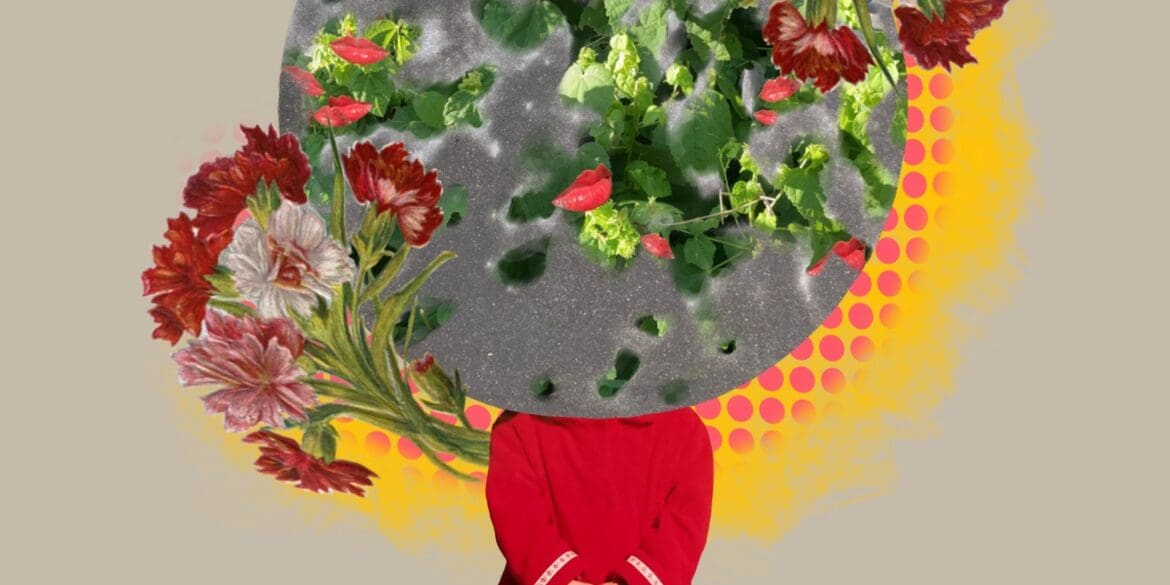





"While living in Ecuador, I wrote “Home” which essentially is an homage to the “third-culture kid” phenomenon, when your parents are from another country than the one you grew up in."

This piece explores the ways in which identity and esteem are interwoven into the topic of Black hair.
Shanita Mitchell and Marlen Harrison·
All ContentAutoethnographic Art & MultimediaMorePodcastsReflections on MethodVolume 3, Issue 2 (2023)
··18 min readToday we're talking with the award-winning author, researcher, and performer, Shanita Mitchell about performance and autoethnography.
“Woken Word” was born as my inner voice was awakening and the world, ironically was becoming “woke” while simultaneously retreating into isolation.
This work of experimental poetry examines the interaction between the happy user of the open source format and the automated surface.

Within the context of this poem, I tried to explain what was happening to my body because of SLE and what I was thinking.
Shanita Mitchell and Marlen Harrison·
All ContentAutoethnographic Art & MultimediaMorePodcastsReflections on MethodVolume 3, Issue 2 (2023)
··18 min readToday we're talking with the award-winning author, researcher, and performer, Shanita Mitchell about performance and autoethnography.
Through our collaborative autoethnography, we learned that intentionally spending time with grief is well worth the effort.

"It is in finding these solutions, the tape and the glue that holds us all together, that we find the beauty of who we are as people."

“Cold Snap” is about two disparate adults, caught in the tumult of abrupt weather change, caused by the accidental detonation of an experimental meteorological weapon.
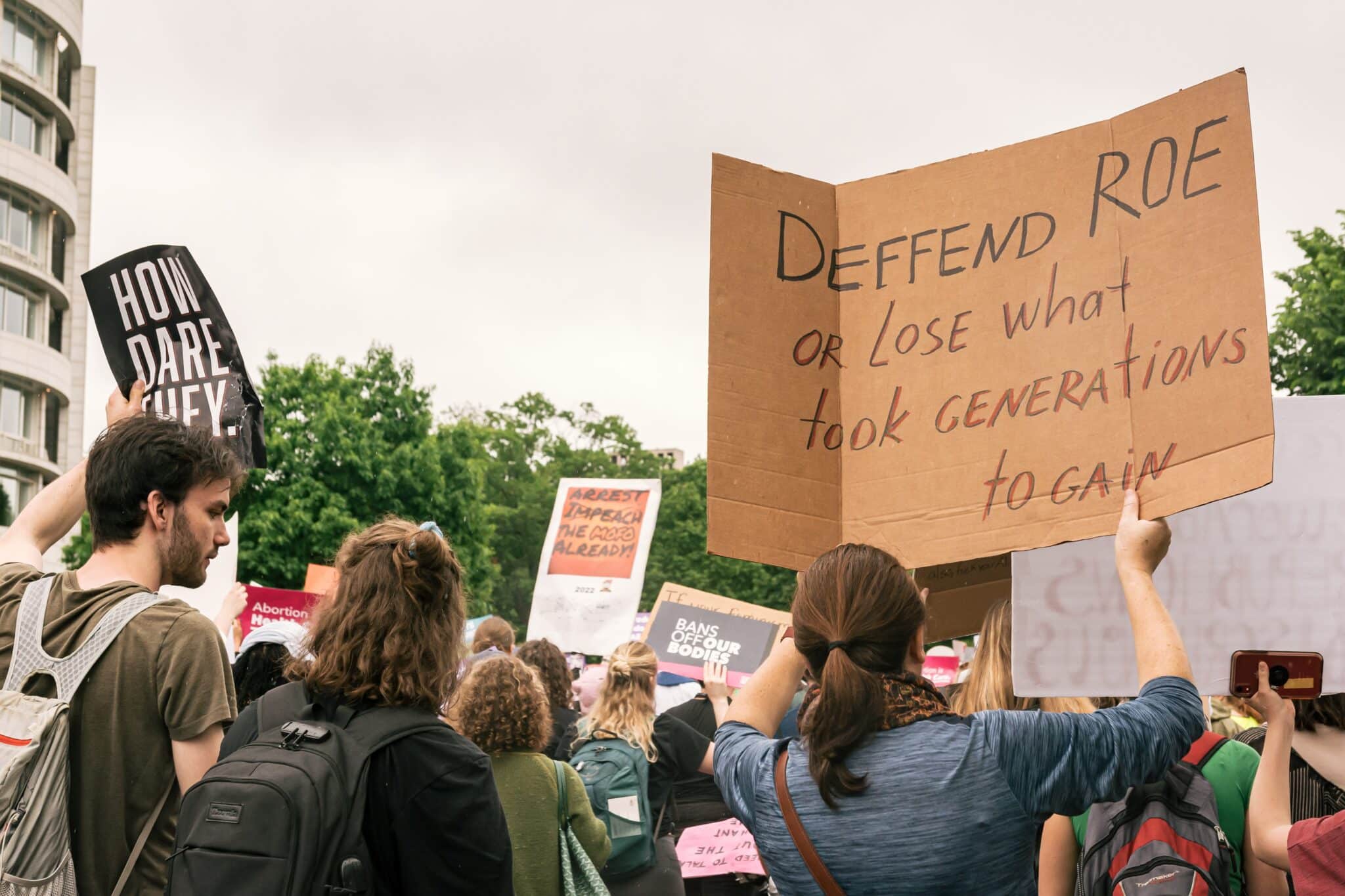
The process of seeking pregnancy alone (by necessity, not choice) showed me how limited reproductive rights in the U.S. truly are—even before the recent loss of Roe vs. Wade, that policy that had so shaped my generation’s belief in our bodily autonomy.

"Give Me a Strawberry Cockroach" is the first article in our 2023 special issue on laughter and tells a story of Japanese language learning and performance.
NEWS, INTERVIEWS & REVIEWS
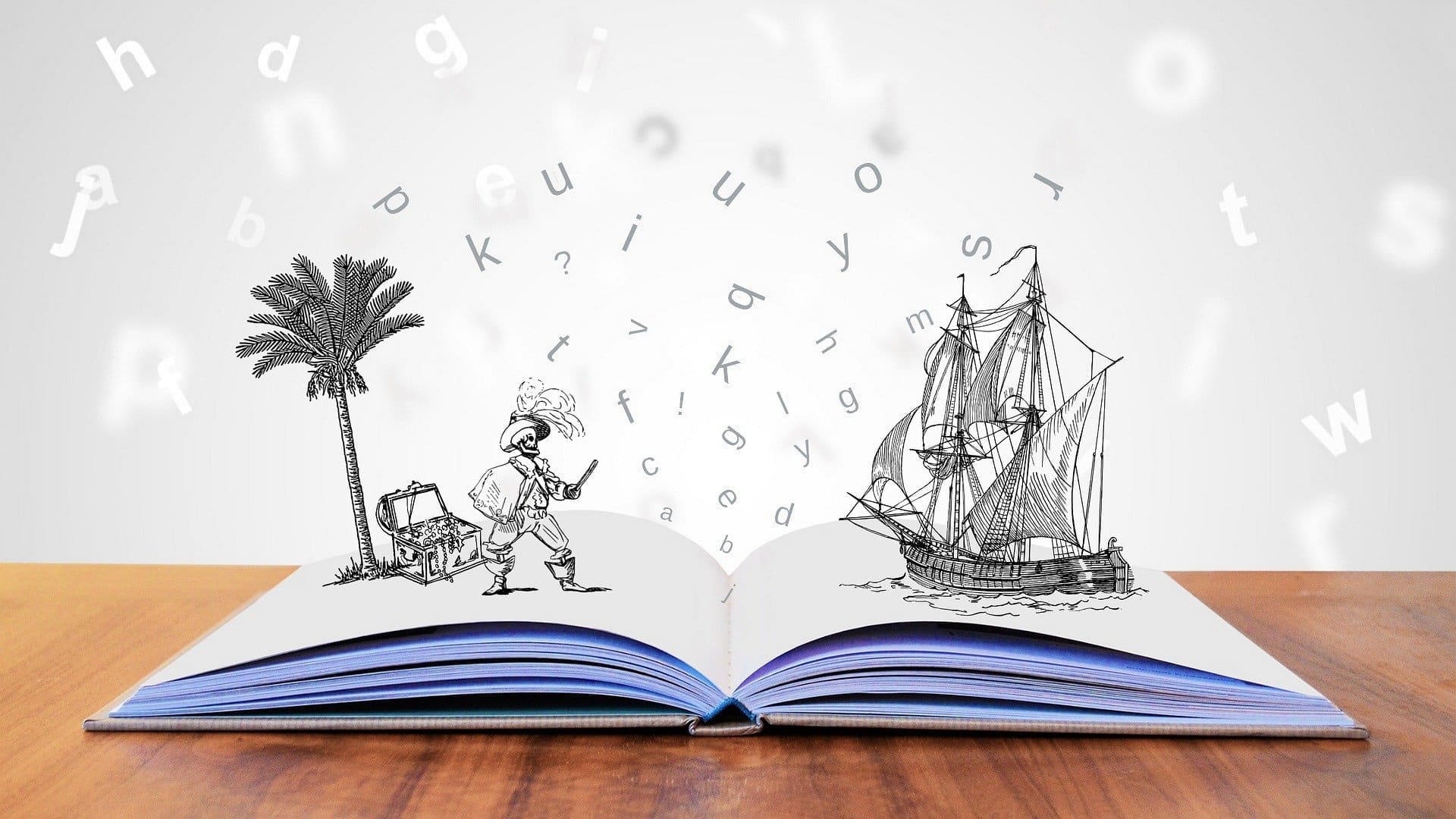
”As of January, 2022 The AutoEthnographer Literary & Arts Magazine is recognized by the United States Internal Revenue Service as a registered nonprofit organization with the mission of becoming a trusted, open-source platform to share and educate readers about evocative personal inquiry, to support emerging authors and artists, to promote cultural diversity and appreciation, and to celebrate creative expression as a vehicle for shared understanding.”
How do creatives find joy in artistic performance as a form of black feminist autoethnography? Podcast & video.

Editor Guillermo Gil's latest book review examines Chin who highlights her relationship to things, and/or her obsessing over wanting and buying things, and many more.
SPECIAL ISSUES

Visitation, an Autoethnodrama in One Act
In this autoethnographic play, a woman terminates a pregnancy without telling her husband.



EDUCATION, INTERVIEWS, PODCASTS, & REVIEWS








REFLECTIONS ON METHOD