
POPULAR ARTICLES



autoethnographer: one who uses lived experience as evidence with which to explore cultural phenomena.
FROM OUR ARCHIVES
”I still aim to engage in the process of life, commit to a meaningful purpose, and structure my life around an intrinsically satisfying activity. For me, I will continue writing as a way to make sense of what it means to be alive.”
"For the first time since my adolescence, I am recognizing that I don’t have to believe what everyone believes, nor do I have to base my morals on faceless strangers who don’t know who I am, or what my experiences are."
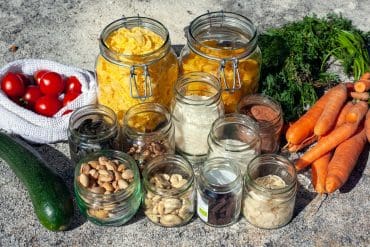
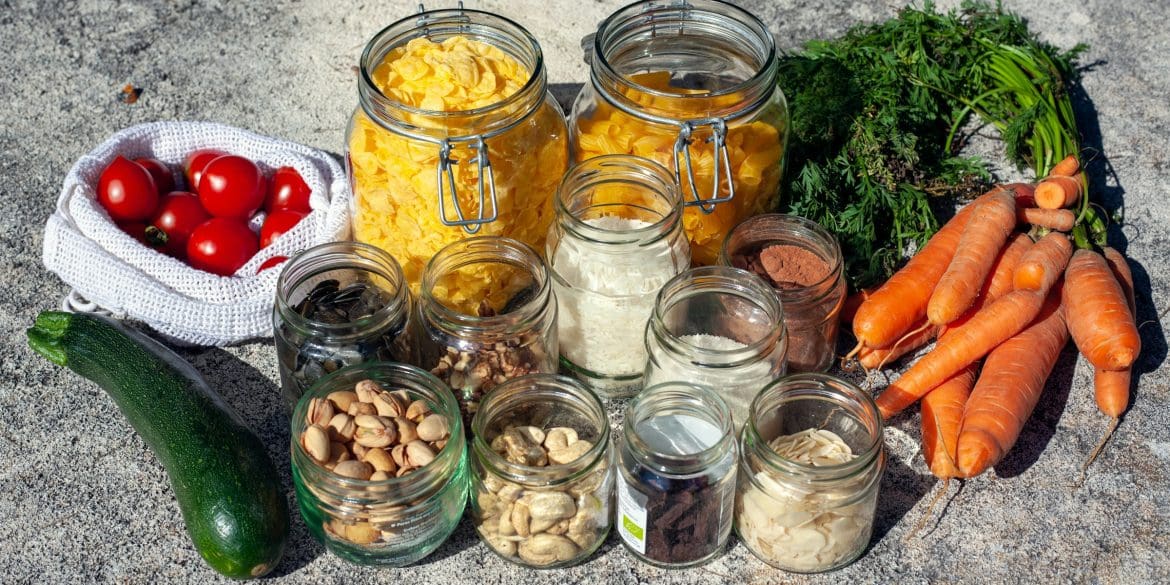
The poems in this collection are a reflection on my zero waste aspirations (and the values behind the movement at large).
My weird depression showed up this summer like “hey sis!” And I was like “fuck my life”! I wasn’t ready. This time, it caught me off guard.
This piece works to contextualize aging in the queer community, the complexities of developing trends in spectacle versus intimacy, the depth and shallow natures that are found in performance, as well as the fear and hope that can be found as a queer person.
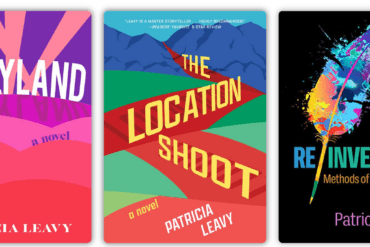
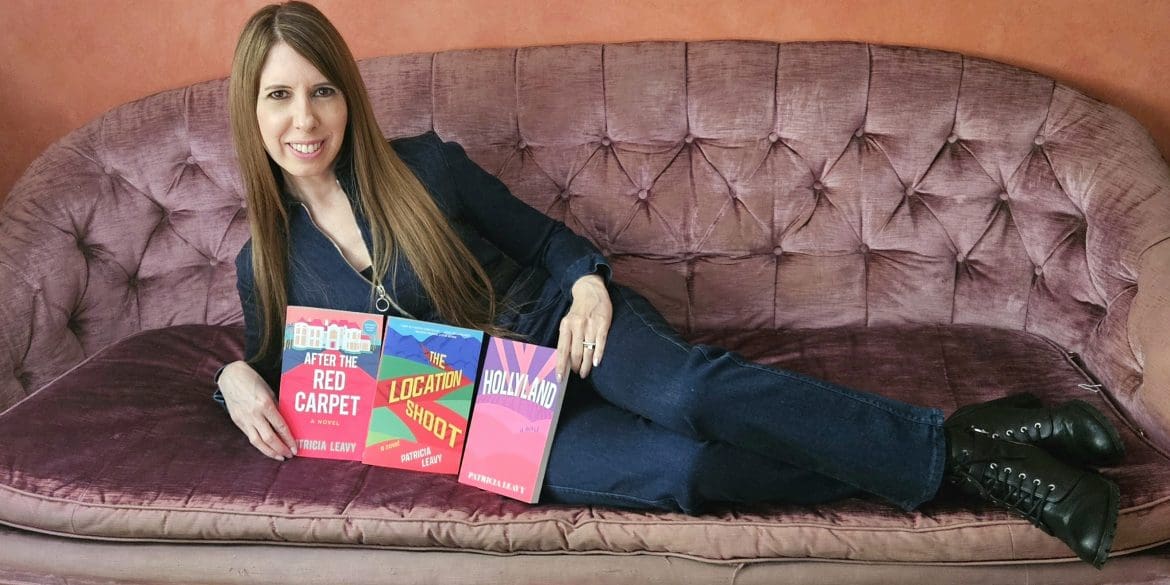
Patricia Leavy·
All ContentAutoethnographic EssaysCelebrating Dr. Patricia Leavy's Social Fiction 2024MoreReflections on MethodSpecial Issues
··11 min readWriting fiction allows me to document reality and to reimagine it, just as we can always reimagine ourselves. And that is why we need stories.
In this essay, the current reality of queerness is juxtaposed against milestones in my own life as a queer man in America.
Poems As a Form of Powerful Activism and Barrier-breakers is a compilation of three poems which mean a lot for me.

“Tired,” the titular poem and the collection at large, is an autoethnography looking at the cause of so much pain, so much fatigue. Anthropomorphizing the feeling of being tired gave me creative license to dramatize and explore the real experiences of needing a break...
“blackwomanatwork” came out of my experiences working in academia as a first-generation immigrant black woman from the Caribbean.
"She needs to be an artist to be an artist-teacher in adult community learning. She needs to do both to become the best she can be."

The Karen Disorder: Breaking Free from the Chains of Institutional Labels emerges from my research in the field of illness and identity.
FROM OUR ARCHIVES
autoethnographer: one who uses lived experience as evidence with which to explore cultural phenomena.
What is autoethnography? The AutoEthnographer's international team of editors offer definitions & suggested readings.
“The AutoEthnographer is an award-winning, non-profit, open-access, peer-reviewed literary and arts magazine dedicated to presenting the creative side of autoethnography, a qualitative research method uniting ethnography and autobiography that utilizes lived experience as evidence with which to explore cultural phenomena." ISSN: 2833-1400
AUTOETHNOGRAPHIC WRITING






AUTOETHNOGRAPHIC POETRY




AUTOETHNOGRAPHIC WRITING
This piece is a creative reflection which emerged out of the auto-ethnographic reflections from my PhD around research extraction.
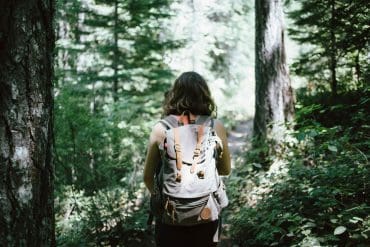
This piece of original short fiction contains plot elements based on my recent adventures hiking remote trails in Ecuador and Colorado.
"The words we use and how we say them are much more than sounds, they tell a story that gives us away, revealing a history about and behind us, a place and a people that we have come from."
AUTOETHNOGRAPHIC MULTIMEDIA
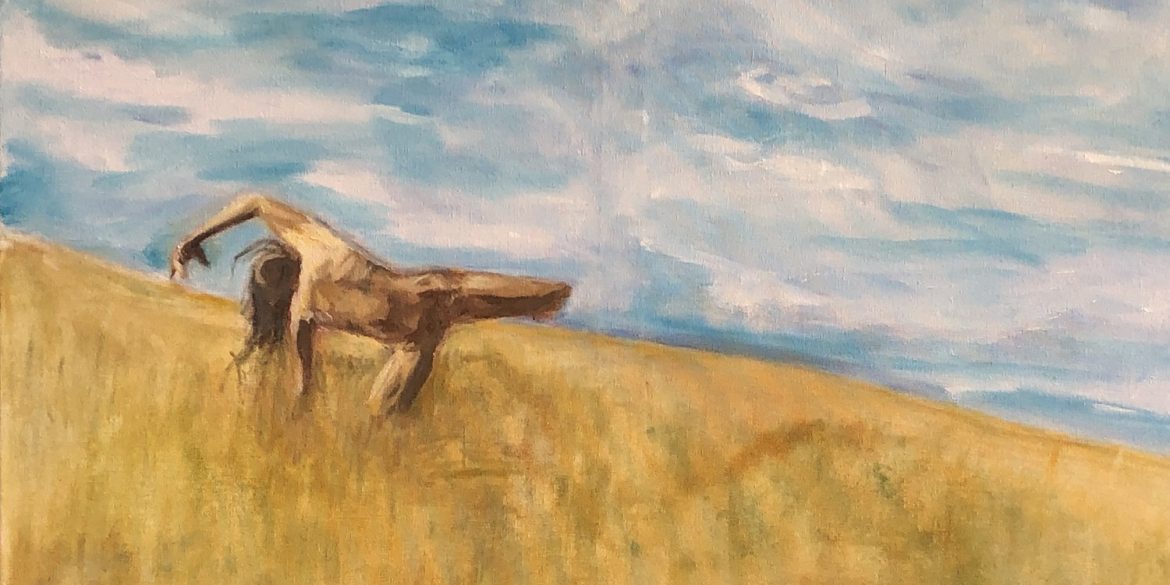
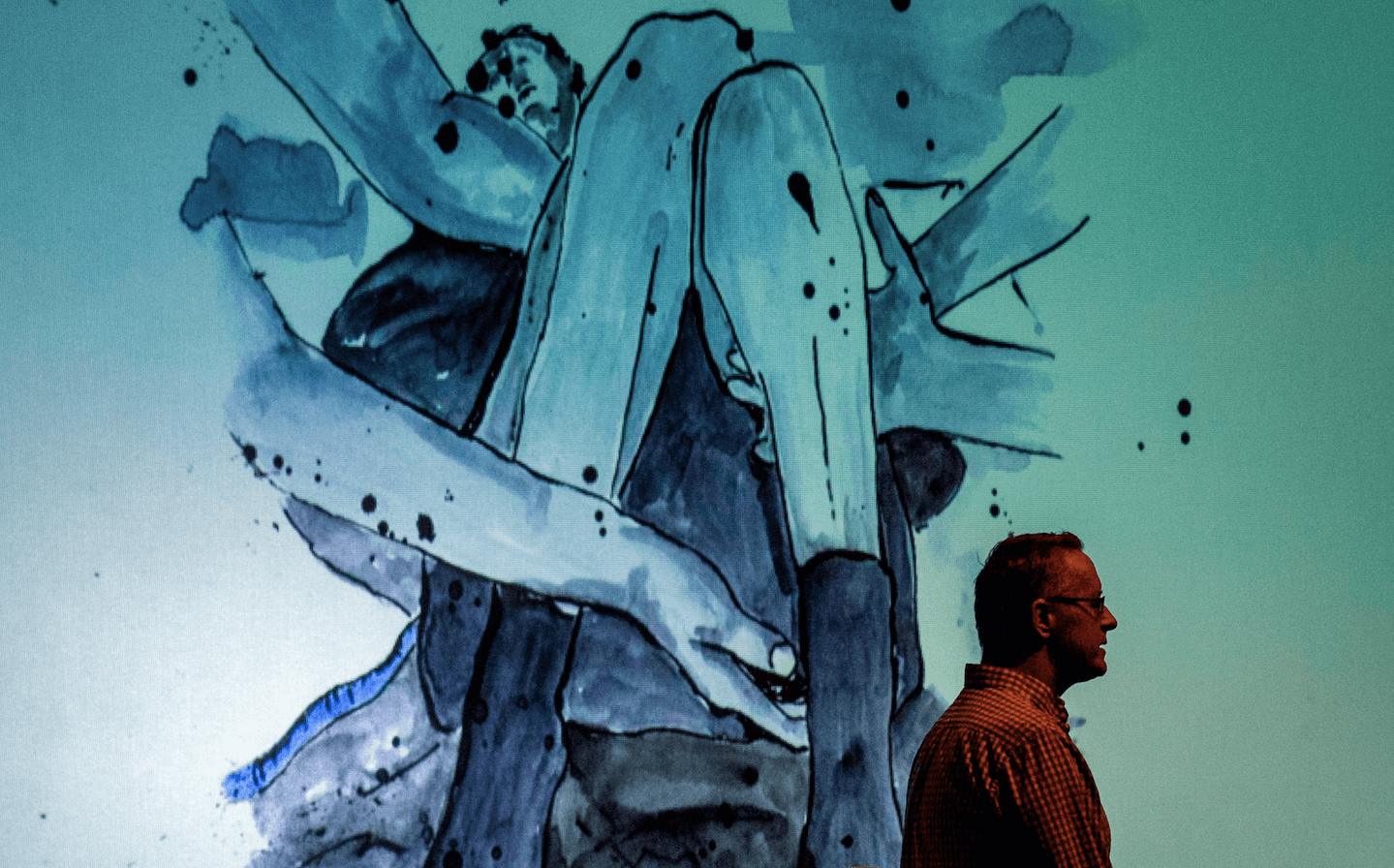
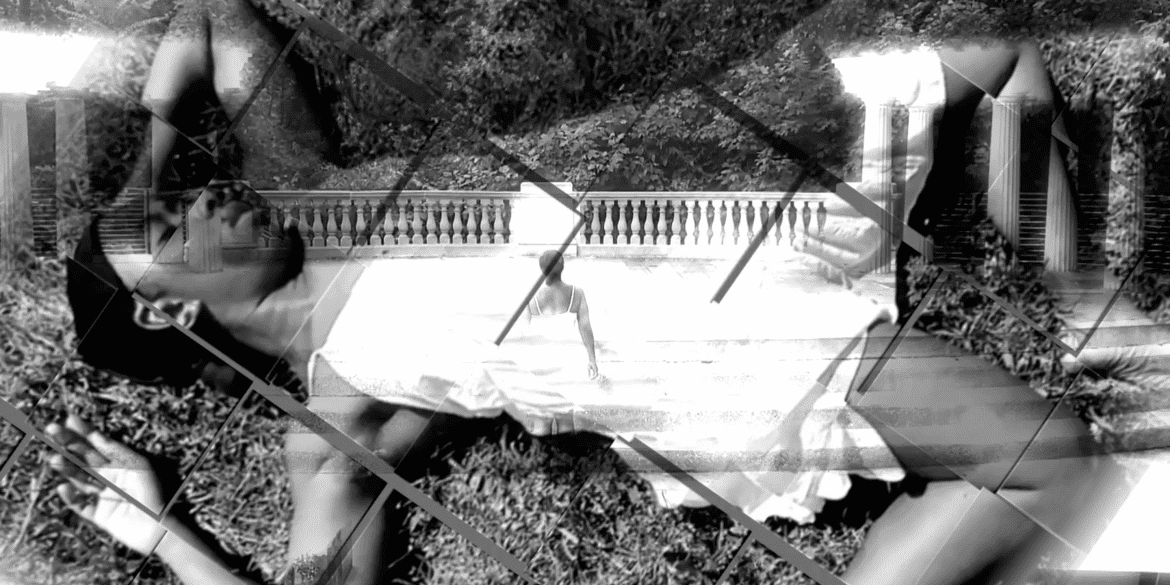
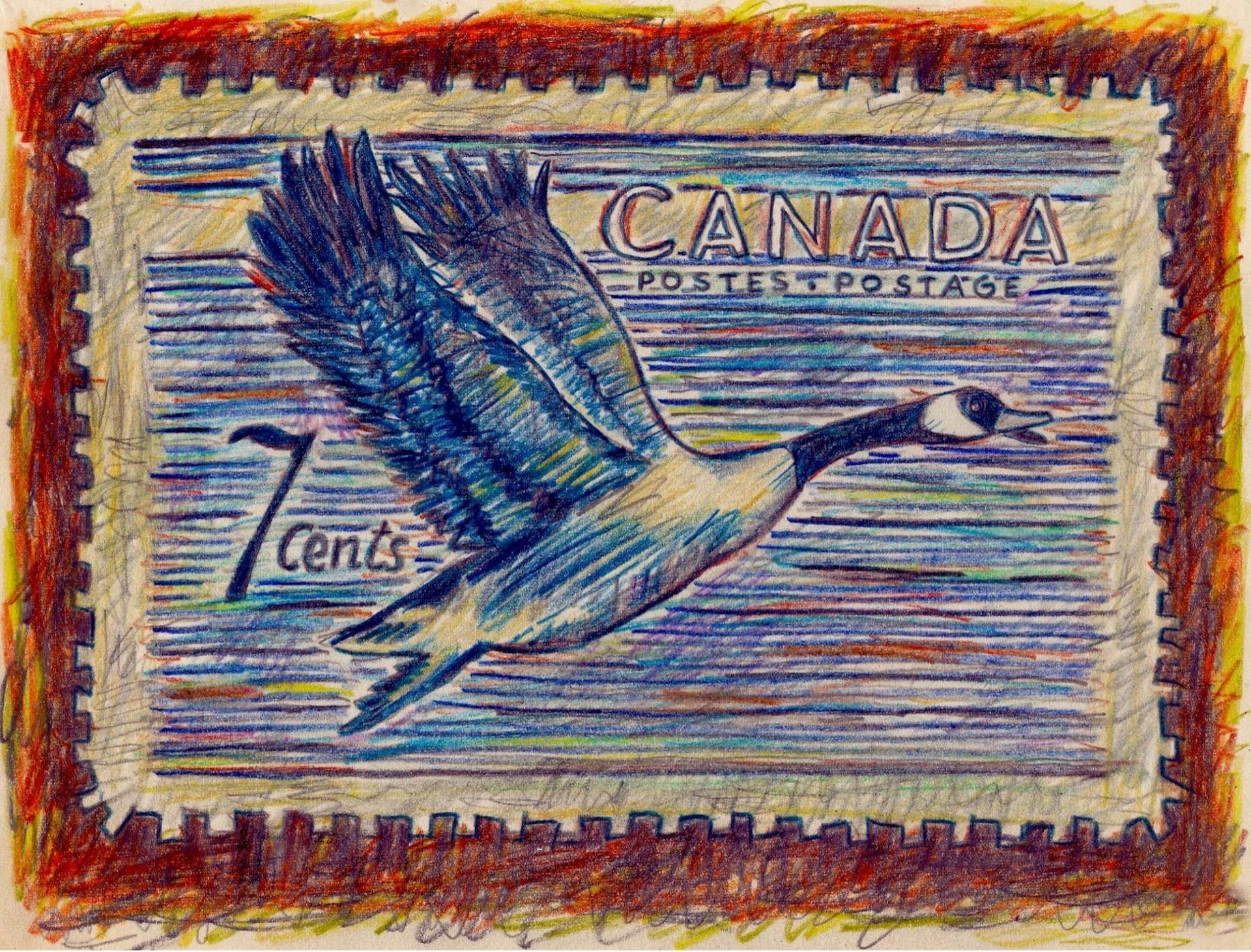



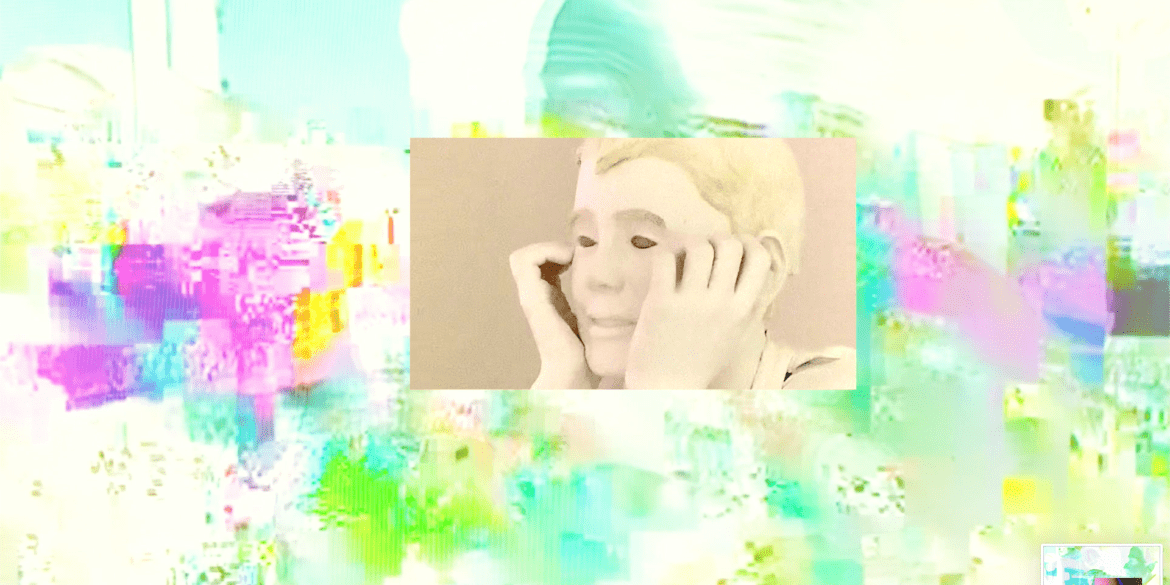

This essay and video introduce an autoethnographic study of my life as a deaf child in Finland learning sign language.
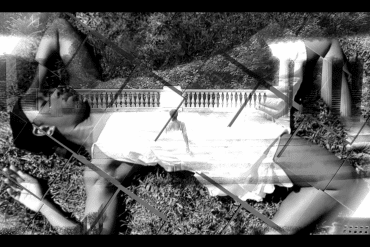
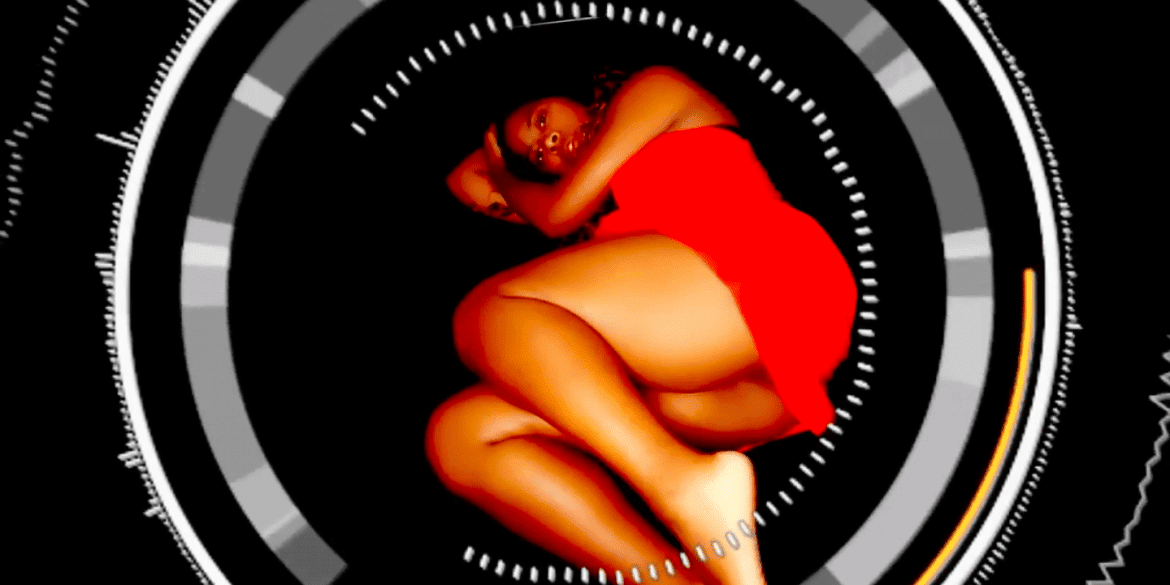
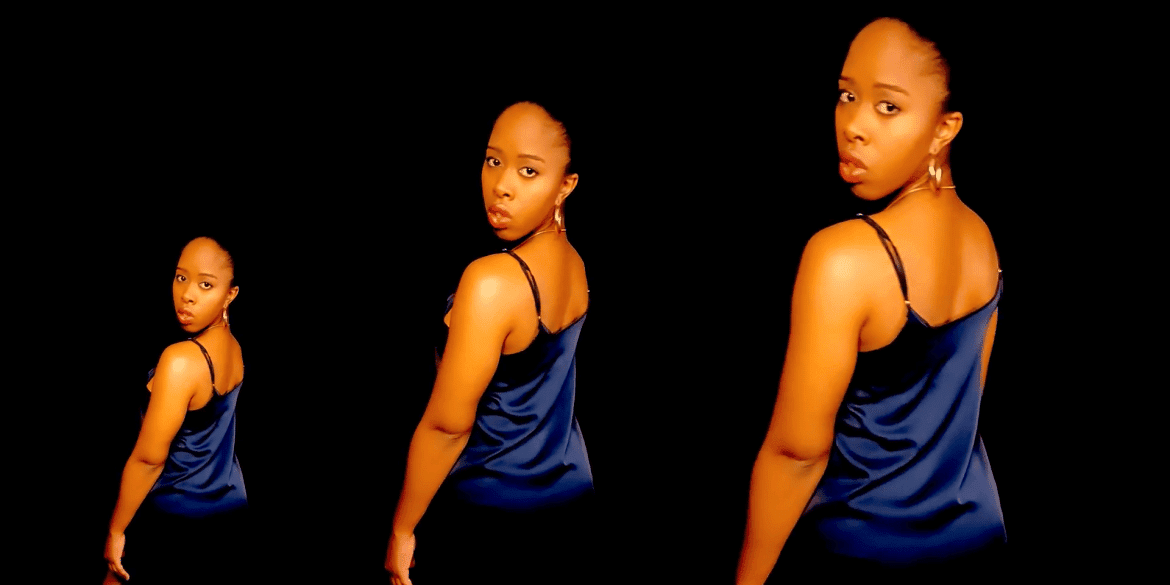
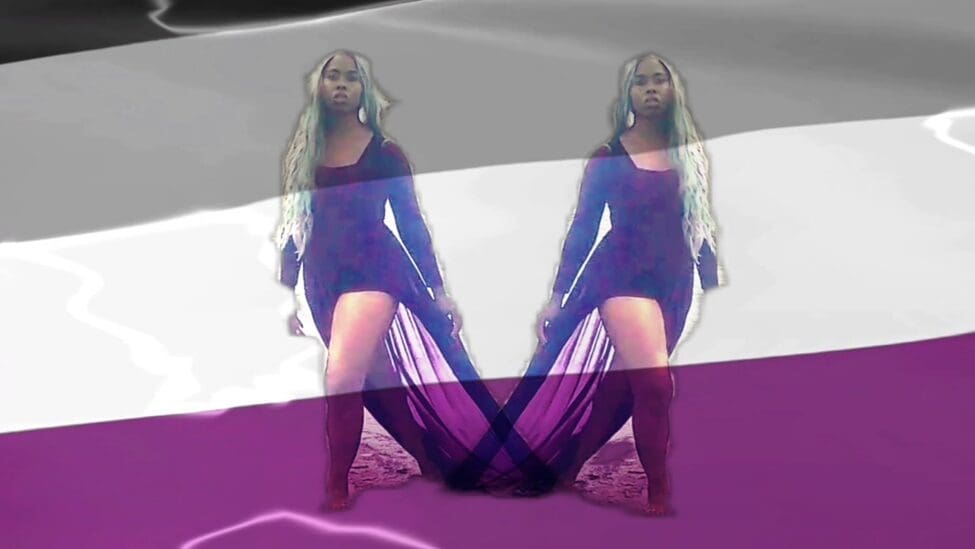
How do creatives find joy in artistic performance as a form of black feminist autoethnography? Podcast & video.
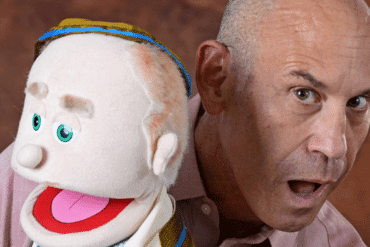
This is a song for the Passover prophet as a critique on his inability during the Covid-19 pandemic to appear and provide solace and safety.
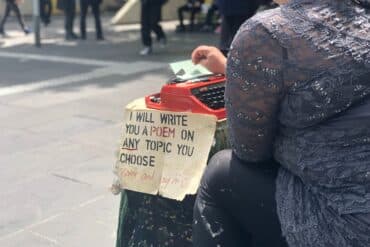
We invite you to participate in National Poetry month with us by reading and writing over at The AutoEthnographer's new Facebook group.
Sandra L. Faulkner·
All ContentAutoethnographic Art & MultimediaAutoethnographic PoetryFrom the EditorsMoreVolume 3, Issue 1 (2023)
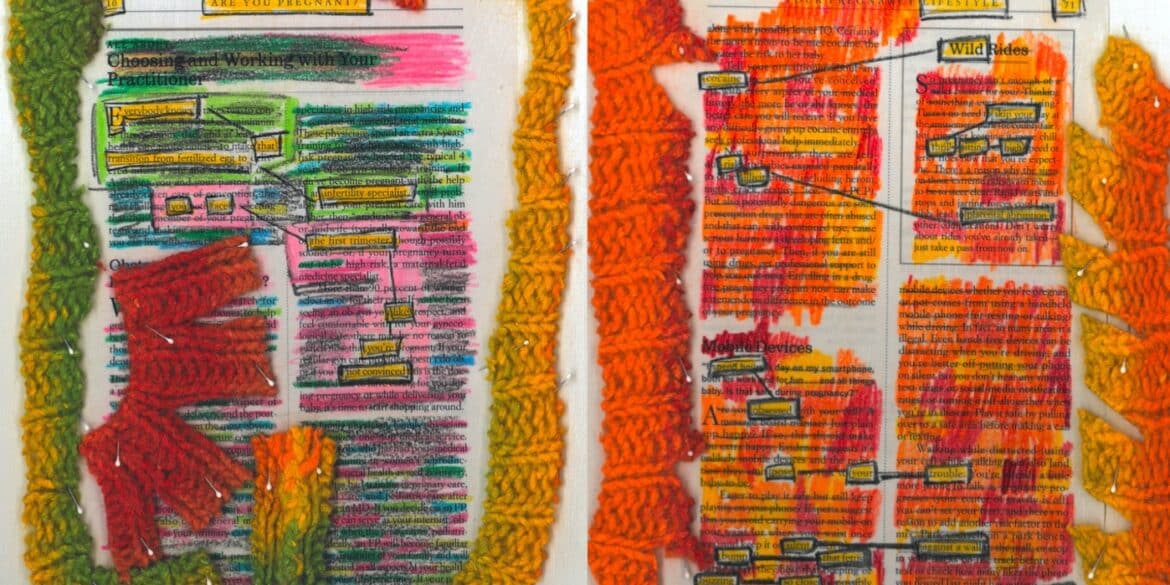
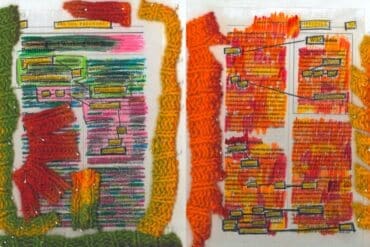
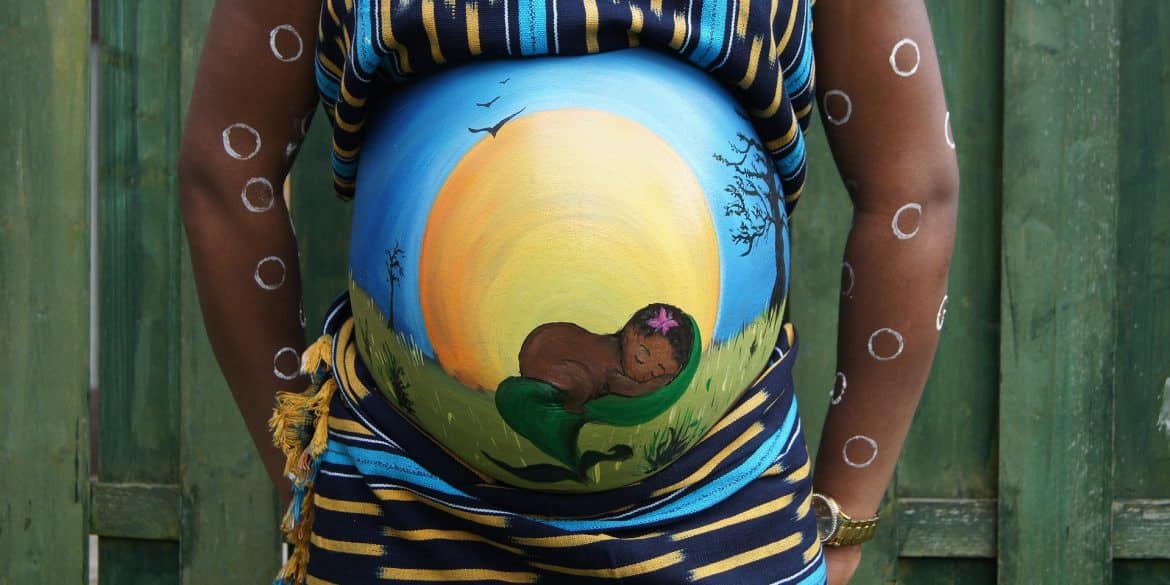
··15 min read"Bringing up Baby” is a collection of collage and erasure poems that function as praise for and critique of (white) mothering.
"Damned," the first publication in The AutoEthnographer's Bodily Autonomy issue, is the product of my confused reflection and internal conversations with the culture that raised me."
This video explores how editors have developed their approach to reviewing creative autoethnography and highlights strategies for contributors.
How do creatives find joy in artistic performance as a form of black feminist autoethnography? Podcast & video.
"It is my hope that these words will serve as the beginning of an ongoing dialogue about what it means to live autoethnography."

"This poem is rumination on how the personal experience of volunteering in never-before-seen flood relief efforts in the remote north reinforces the research that 'many of the changes observed in the climate are unprecedented in thousands, if not hundreds of thousands of years.'"
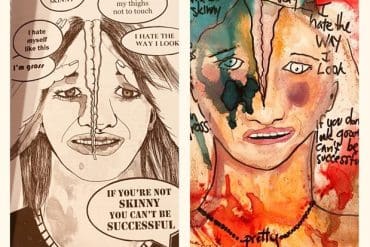
Tabitha Chilton and Gioia Chilton·
All ContentAutoethnographic EssaysCelebrating Dr. Patricia Leavy's Social Fiction 2024Special Issues
··23 min readLow-Fat Love Stories is the result of arts-based research on romantic, familial, and intrapsychic dissatisfying relationships, written by Patricia Leavy.

"I have continued to explore the usefulness of various poetic forms as a mechanism for providing access to suppressed internal voices."
NEWS, INTERVIEWS & REVIEWS

"Throughout the first week of January, 2022, the International Association of Autoethnography and Narrative Inquiry (IAANI.org) will hold their International Symposium on Autoethnography and Narrative (ISAN) as an online conference."
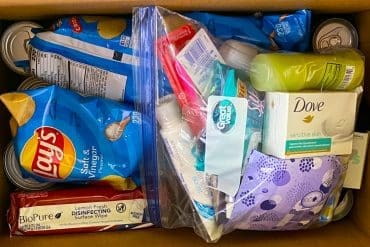
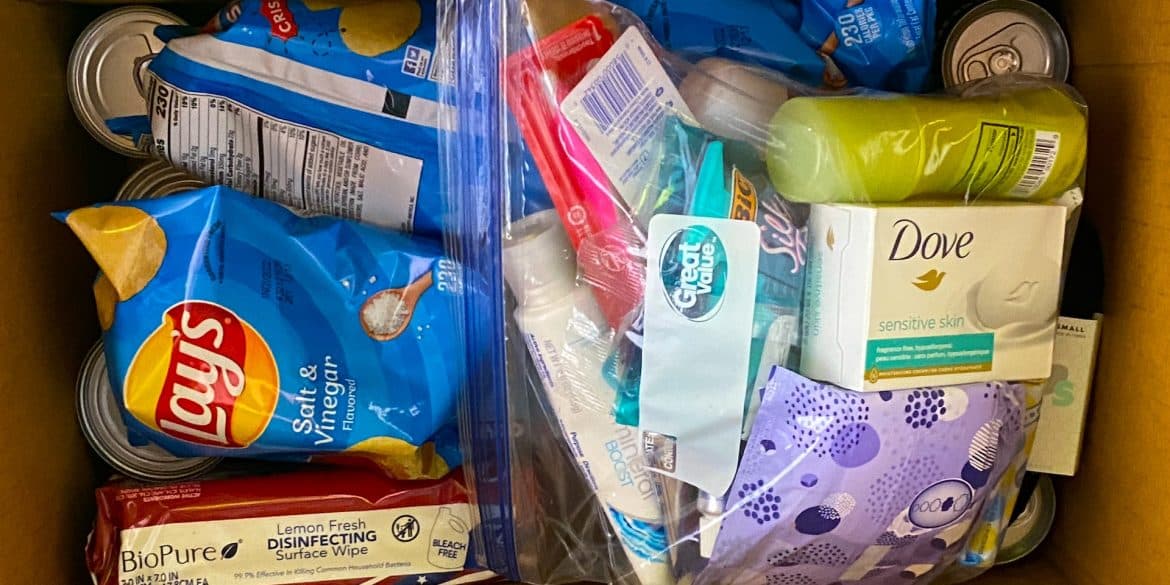
"Marlen Harrison and Edward Perrin enjoyed an opportunity to volunteer with Miami-based Global Empowerment Mission (GEM) to create family necessity kits for those affected by Hurricane Ian."
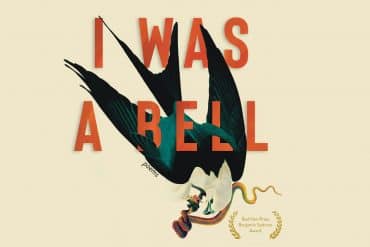
"I’ve already resisted that scholarship is not creative and poetry is not part of my scholarly self. I think the idea of autoethnography allows for that cultural divide between the creative and academic to be really disrupted."
SPECIAL ISSUES


EDUCATION, INTERVIEWS, PODCASTS, & REVIEWS



REFLECTIONS ON METHOD