
POPULAR ARTICLES



autoethnographer: one who uses lived experience as evidence with which to explore cultural phenomena.
FROM OUR ARCHIVES
J.E. Sumerau·
All ContentAutoethnographic EssaysCelebrating Dr. Patricia Leavy's Social Fiction 2024Special Issues
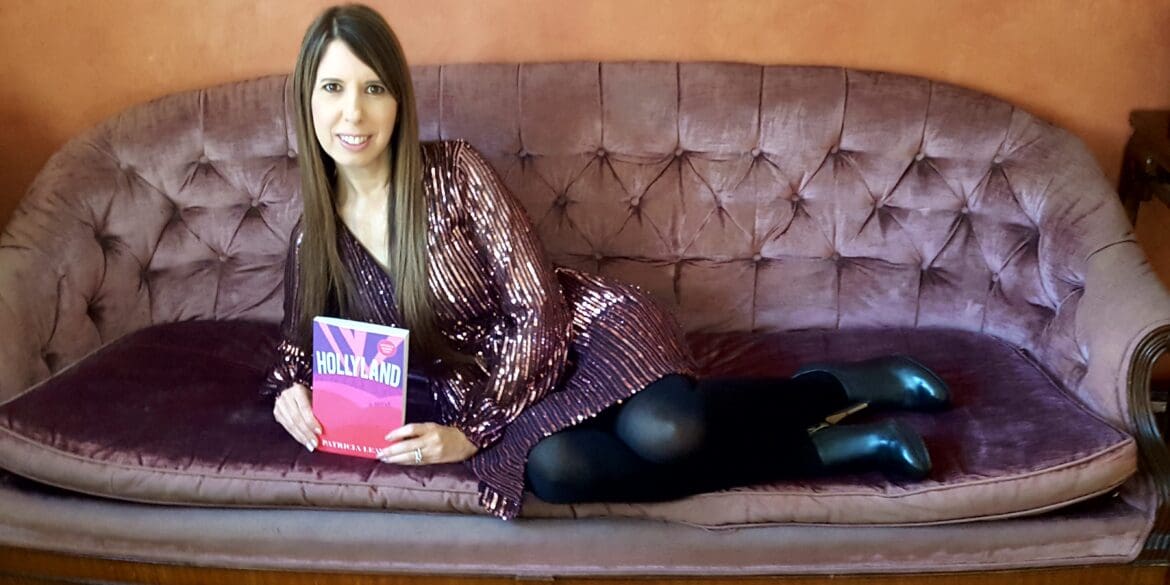
··16 min readGratitude is a recurring theme I hear from readers of Patricia Leavy’s social fiction. This is an essay about Patricia Leavy novels.
"We were constantly in fear of her hitting or pushing a friend, destroying a friend's toy, or throwing a block at someone’s head. We started to isolate ourselves because we were embarrassed of how our child acted around others."
In Breaking Free: Reclaiming Authenticity in a Capitalist World, I reveal how I overcame my mental health challenges and reconnected with my true self discovering the benefits of holistic therapies and shamanic healing.

"If abortion can be banned, largely due to Christian beliefs, what is to stop an overturning of the legalization of gay marriage or the disestablishment of “Don’t Ask, Don’t Tell?” If The Handmaid’s Tale taught me anything, it is to never believe that I am truly safe, untouchable."

"Because I was so immersed in both history, bound in good-smelling leather, no less, and in beautiful and evocative little bottles around me as playthings, I guess it needed no further prompting. It was within my blood before I could think about what I wanted to do with my life!"
Atlas Markers: An Emerging Autoethnography Author’s Memo Atlas Markers n is largely...
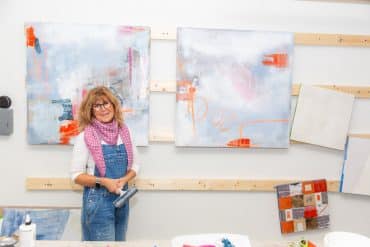
Marlen Harrison·
All ContentAutoethnographic Art & MultimediaClimate Change Special Issue, 2022InterviewsMorePodcastsSpecial Issues
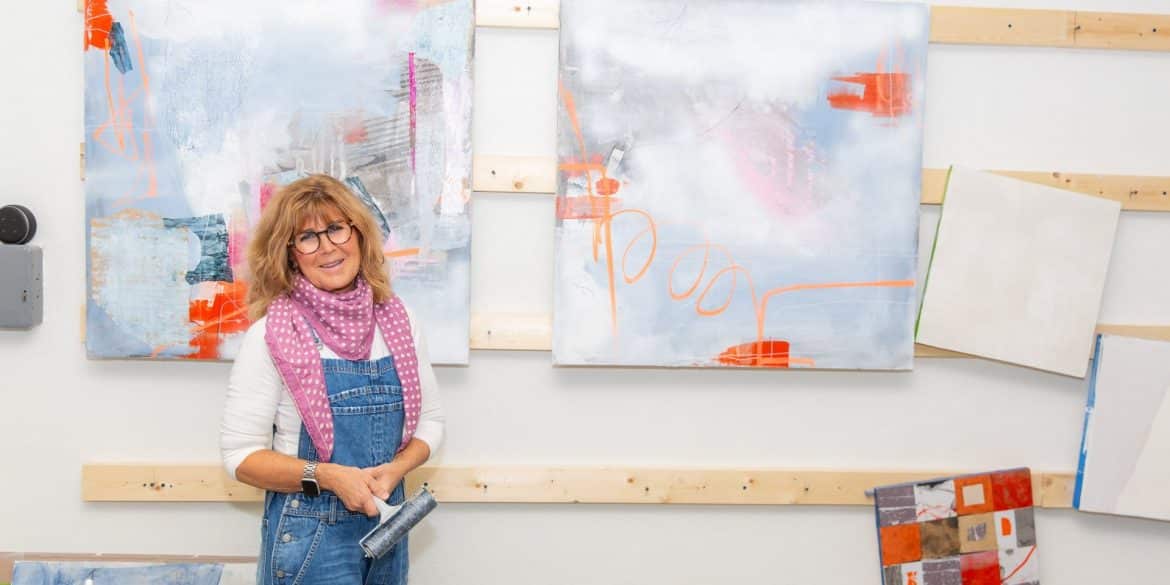
··15 min read"Award-winning artist, Suzanne Hughes, talks about autoethnography and painting. Suzanne is responsible for the cover art for our special issue based on climate change."

"I called out the demons one by one. I named them. I gave them precise blocking and ultimately, I controlled where they stood, breathed, and bourréed. I gave them an entrance, and a stage, and then I sent them away."
Patricia Leavy·
All ContentAutoethnographic EssaysCelebrating Dr. Patricia Leavy's Social Fiction 2024Special Issues
··6 min readStory-worlds were magical—they transported me to different places where I’d meet new people, and learn about their lives in visceral ways.
Daze Jefferies·
All ContentAutoethnographic Art & MultimediaAutoethnographic PoetryClimate Change Special Issue, 2022Special Issues
··3 min read"This autoethnographic poem resembles a wave: coming, going, history, hereafter...an endless exchange."
MILK, ANTHOLOGIES, HORSES, & JOUISSANCE contained work as a meta-performance of the idea of texts passing through other texts.

In this piece, a queer university student from China reflects on his understandings of sexual and ethnic/national identities as he moves from China to the UK to study.
FROM OUR ARCHIVES


autoethnographer: one who uses lived experience as evidence with which to explore cultural phenomena.
What is autoethnography? The AutoEthnographer's international team of editors offer definitions & suggested readings.
“The AutoEthnographer is an award-winning, non-profit, open-access, peer-reviewed literary and arts magazine dedicated to presenting the creative side of autoethnography, a qualitative research method uniting ethnography and autobiography that utilizes lived experience as evidence with which to explore cultural phenomena." ISSN: 2833-1400
AUTOETHNOGRAPHIC WRITING




AUTOETHNOGRAPHIC POETRY



AUTOETHNOGRAPHIC WRITING
Just like Puerto Rican immigrants, animals might land in a complex political landscape where some might welcome them, but some might not.
What is my responsibility as a trans feminine person when the human-induced strain on the planet is the driver of the climate crisis?
This piece, Hot Pink Truth Serum of My Trauma, is an autoethnography that speaks to the cultures and communities of survivors of childhood sexual abuse and violence.
AUTOETHNOGRAPHIC MULTIMEDIA
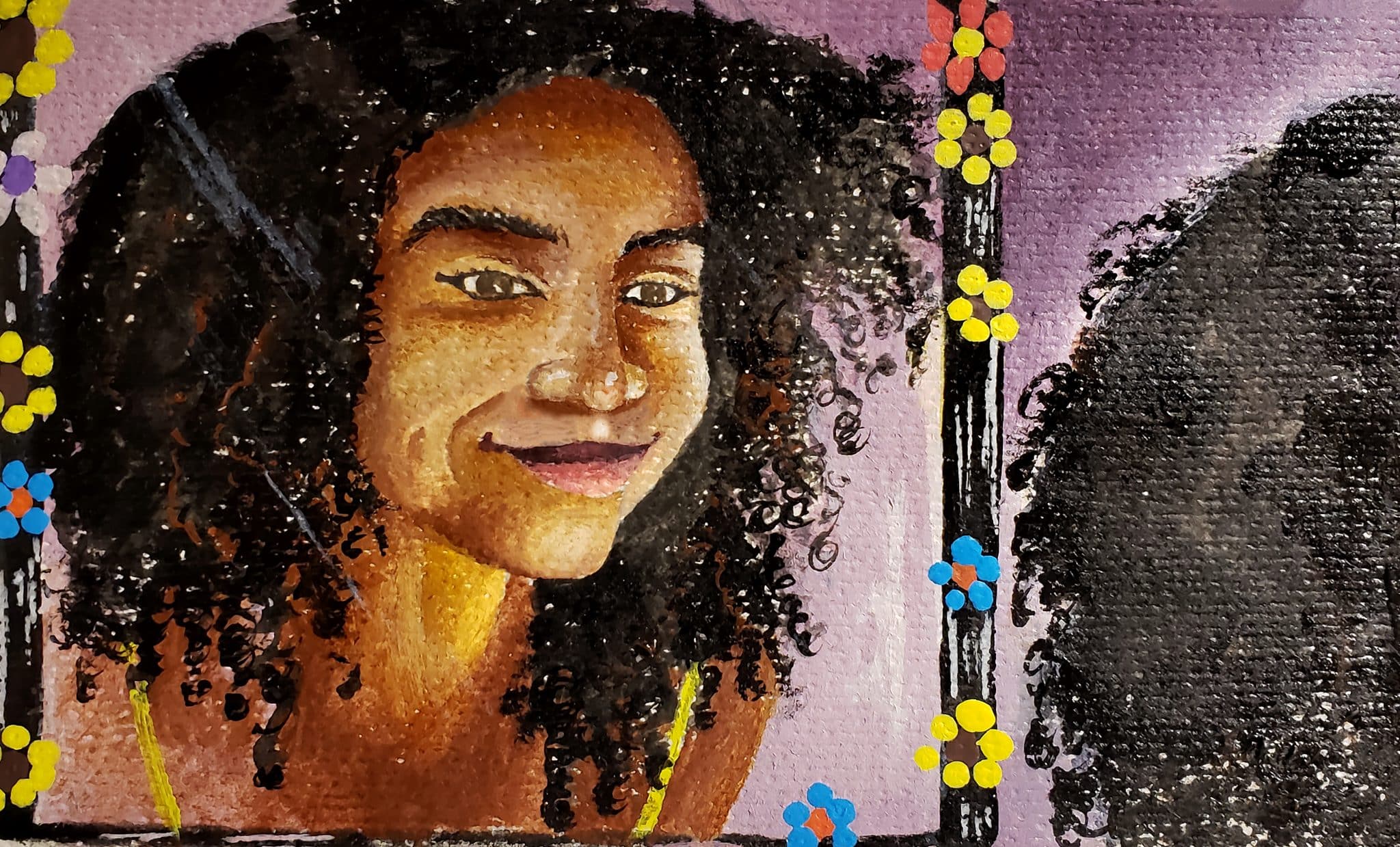
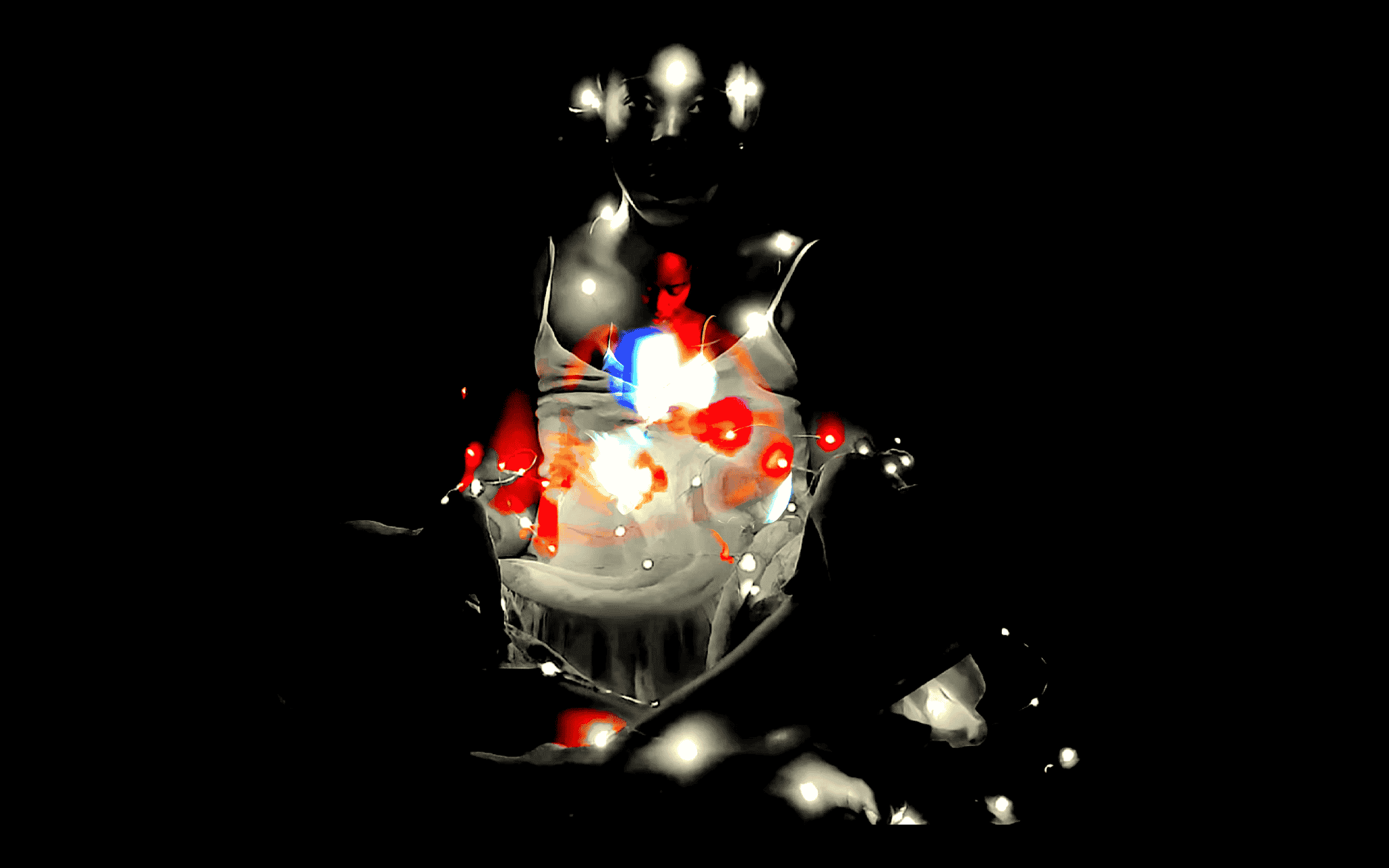
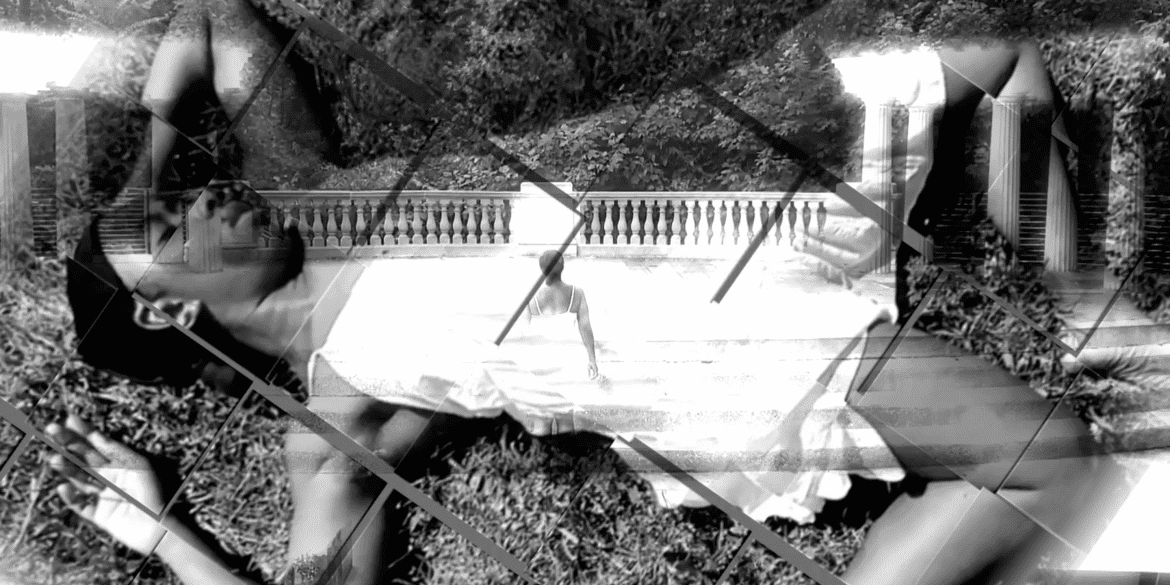
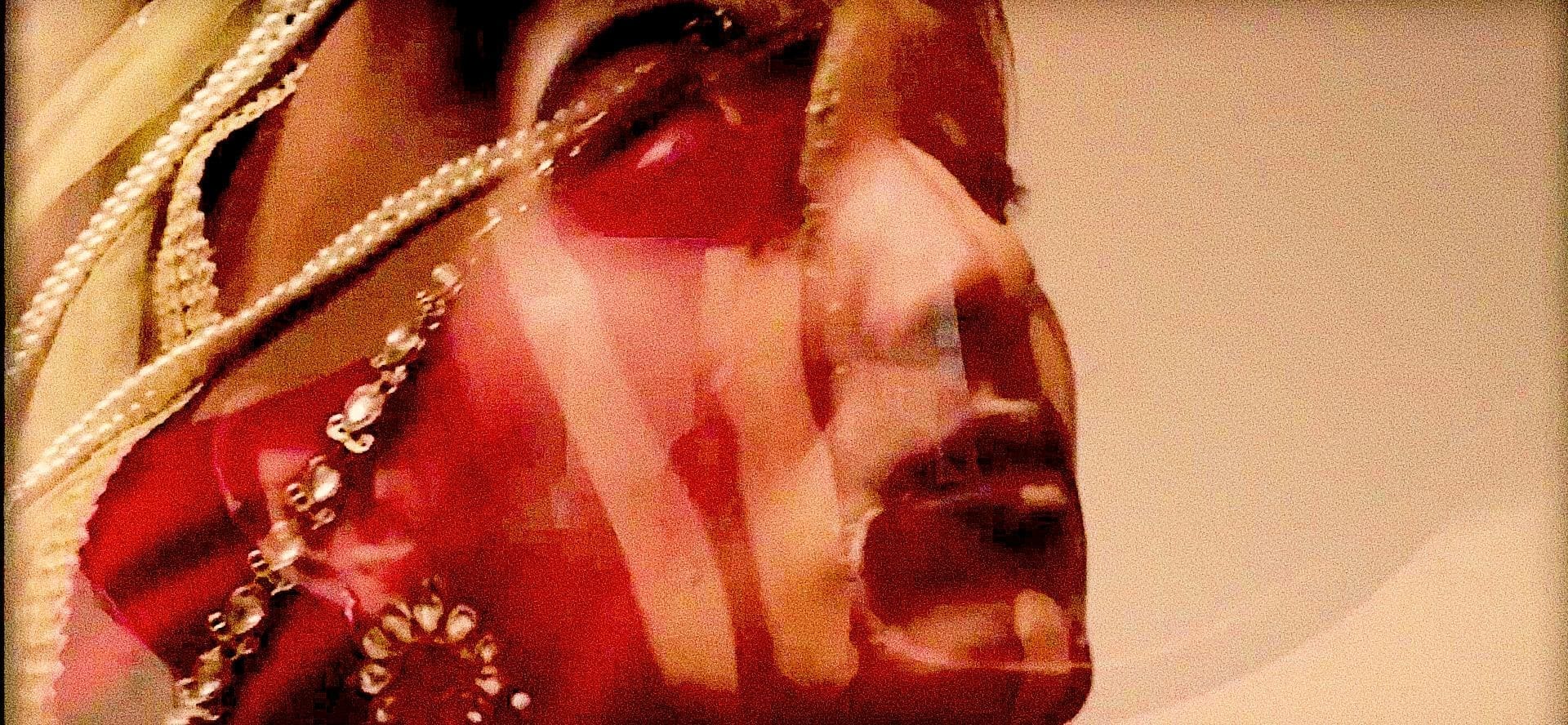
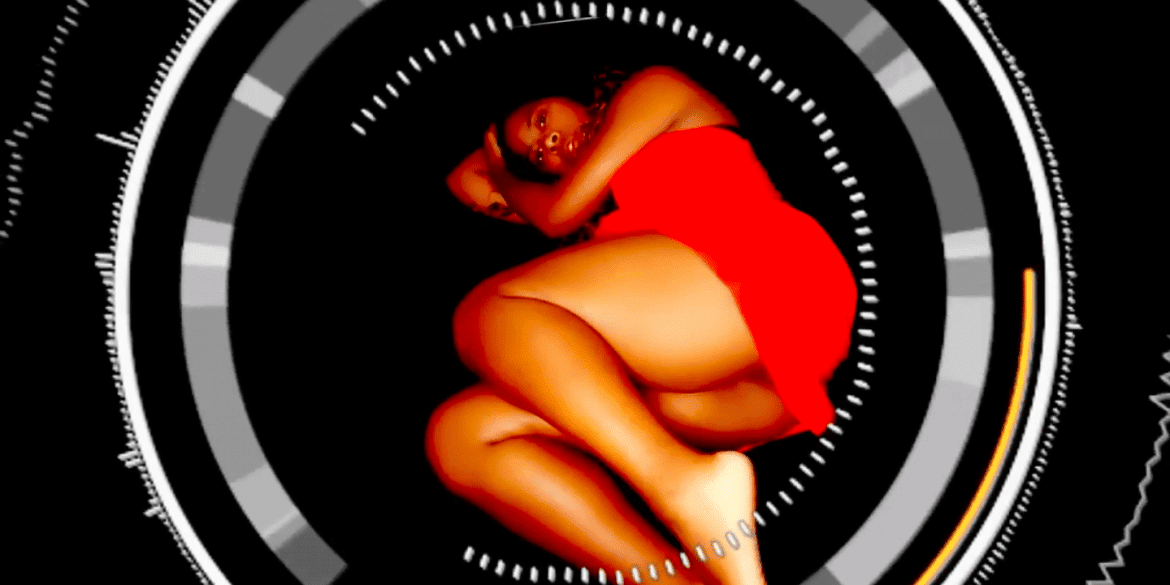
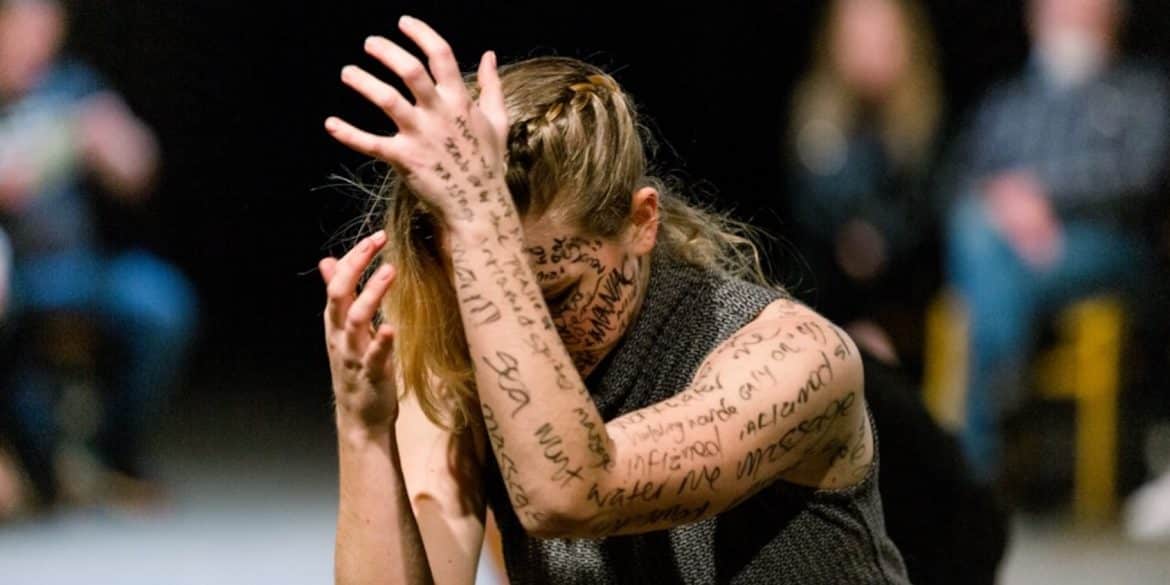


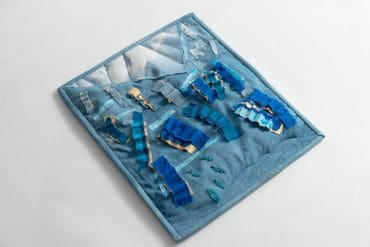
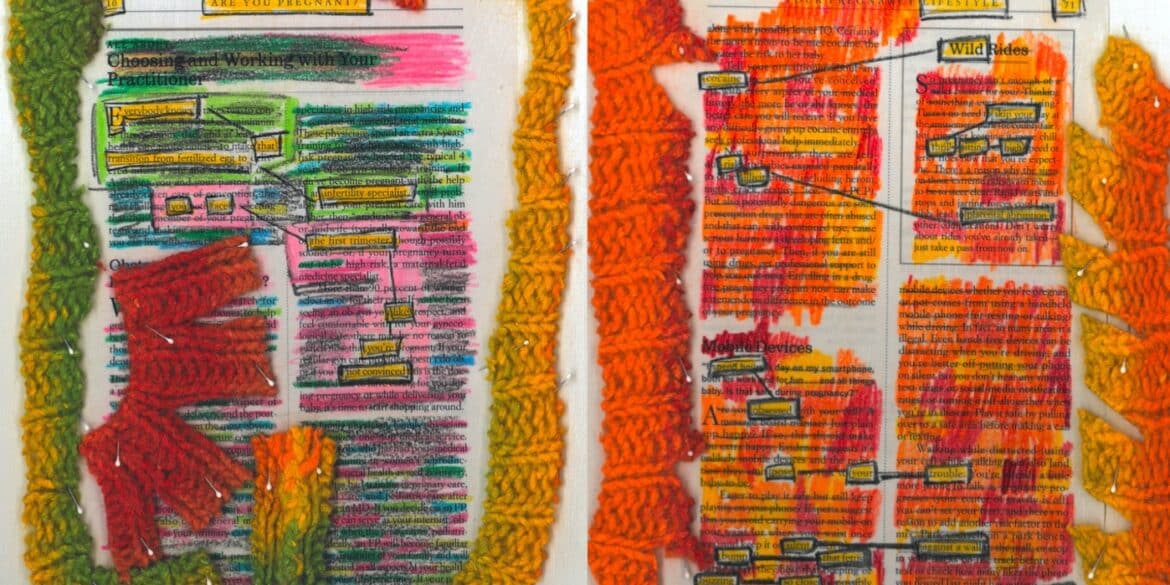
You’re Still Here: Art and Grief in Autoethnographic Textiles Artist’s Memo You’re Still Here: Art and Grief in...

The lyrics of "World's Greatest Man" grapple with the paradoxes of participant-observation as well as the ambiguity of development work in Thailand.
Marlen Harrison·
All ContentAutoethnographic Art & MultimediaEducationFrom the EditorsMoreReflections on MethodVolume 2, Issue 1 (2022)
··5 min read"In this brief, animated autoethnography, I utilize the concept of a sociocultural third space to consider why evocative autoethnography can benefit from its own literary and arts journal."
Ulla-Maija Matikainen·
All ContentAutoethnographic EssaysAutoethnographic PoetryEducationFrom the EditorsMoreVolume 3, Issue 2 (2023)
··4 min read A tsunami of words, images, learned and pushed feelings and thoughts go through us every day. Poetry is a way to find our own voice.
I write out of the consciousness that I am both a product of the violence of war and a migratory being—not only in the strictest sense of physical displacement, but also in belonging.

“What is it like to live and work in a regional comprehensive university during a time of major organizational change and intense conflict?”
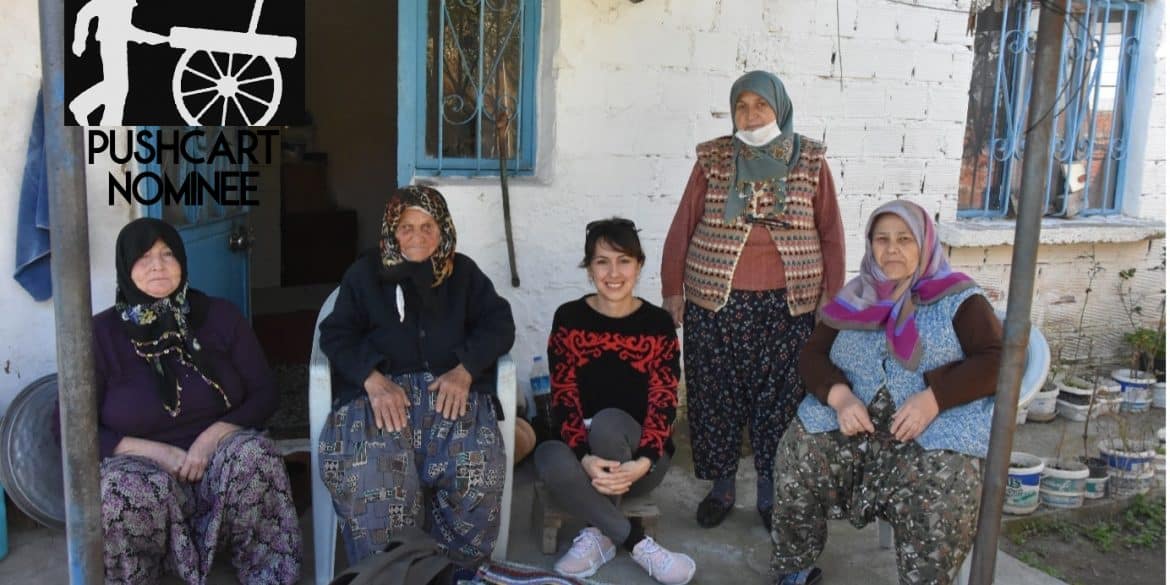
"In Turkey, we must consider opening folklore & the social sciences, but this time more powerfully, staggeringly, and creatively."
"It is in finding these solutions, the tape and the glue that holds us all together, that we find the beauty of who we are as people."
"'SEE ME, Windows to the Self of the Performer-Autoethnographer' explores the question, 'What can I learn about myself by making artwork as autoethnography'?

Christine Sleeter·
All ContentAutoethnographic EssaysCelebrating Dr. Patricia Leavy's Social Fiction 2024MoreReflections on MethodSpecial Issues
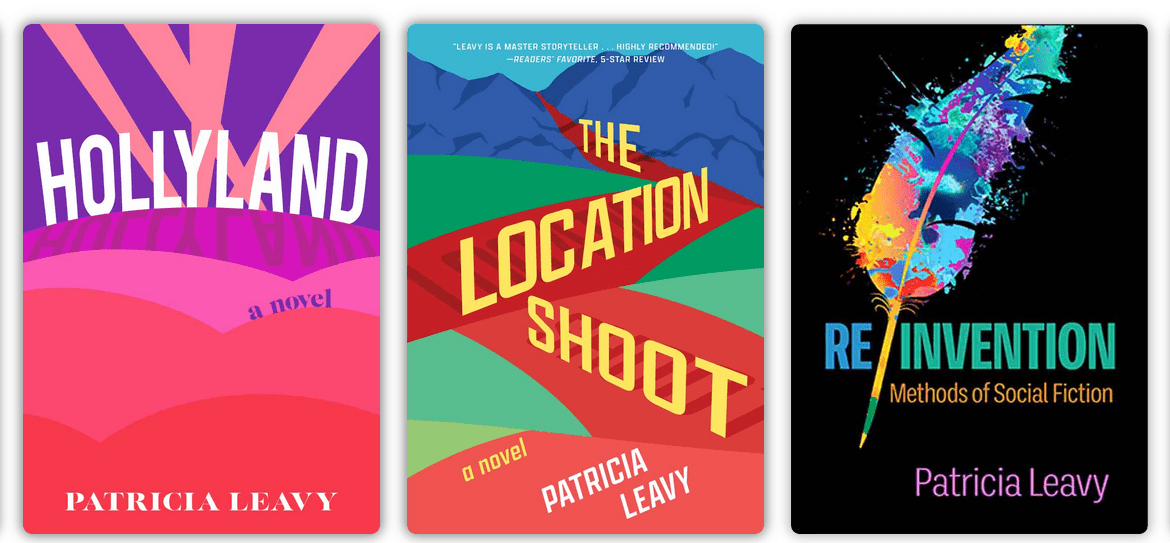
··23 min readChristine Sleeter writes about Dr. Patricia Leavy's new genre, Sleeter's own books and her reflections on the social fiction series.
J.E. Sumerau·
All ContentAutoethnographic EssaysCelebrating Dr. Patricia Leavy's Social Fiction 2024Special Issues
··16 min readGratitude is a recurring theme I hear from readers of Patricia Leavy’s social fiction. This is an essay about Patricia Leavy novels.
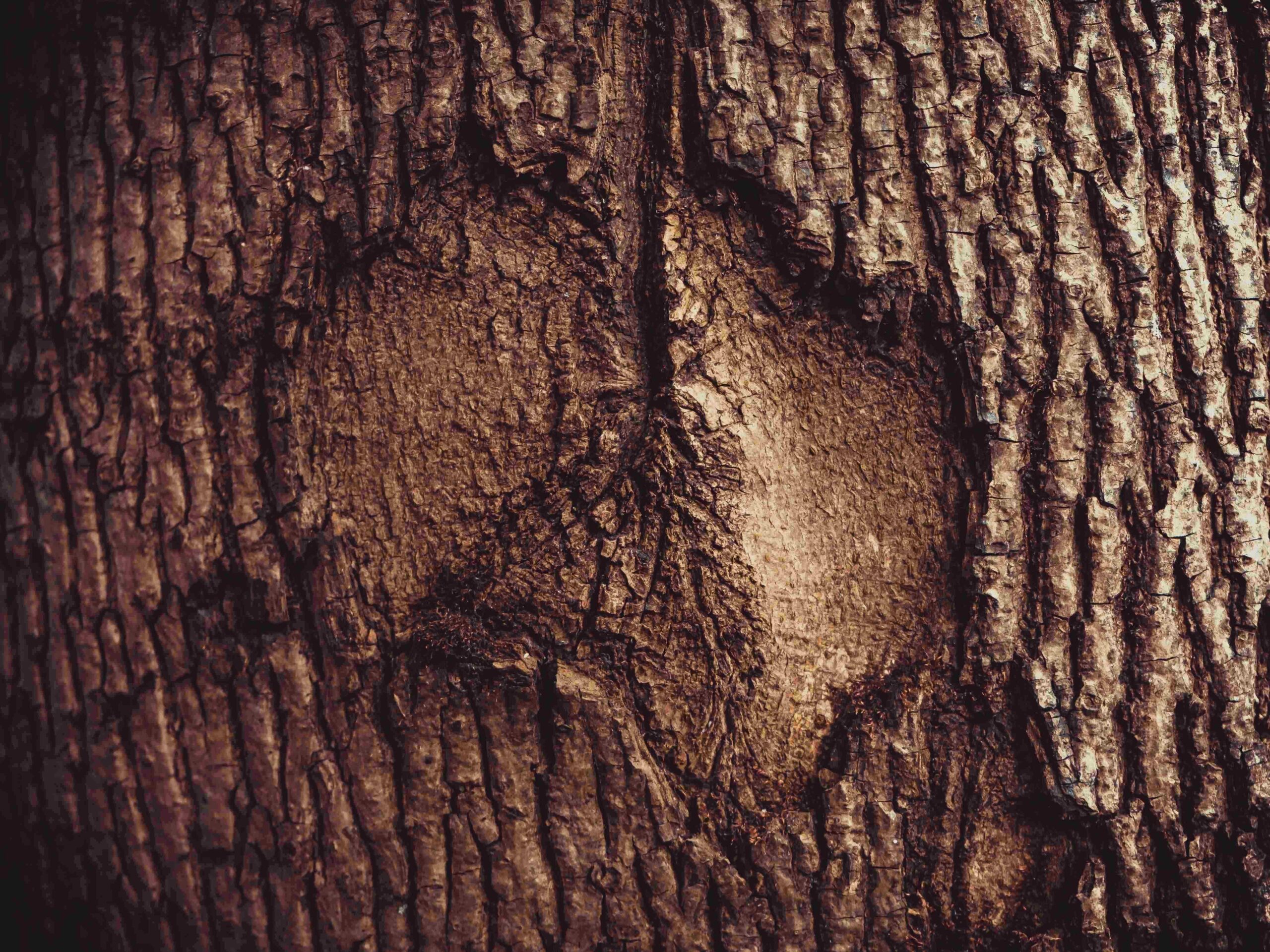
This work is part of a larger ethnography of scars, one that addresses the intersection medicine, religion, and body politics in (among other places) Nebraska.
NEWS, INTERVIEWS & REVIEWS
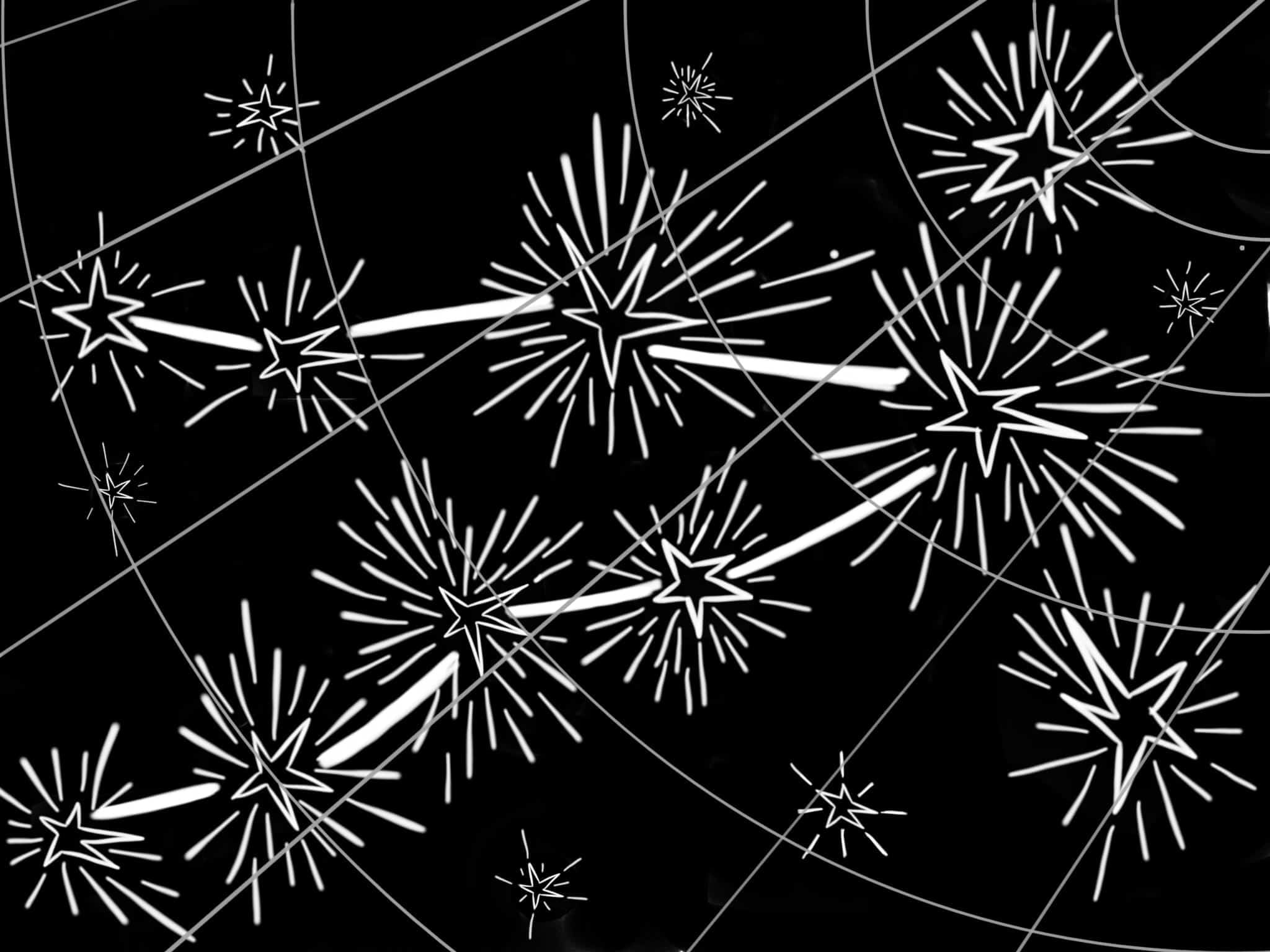
"Although I never planned it, I wrote a series of novels, Celestial Bodies, that have pierced my heart in a way nothing else ever has, changing me as a writer and as a person."
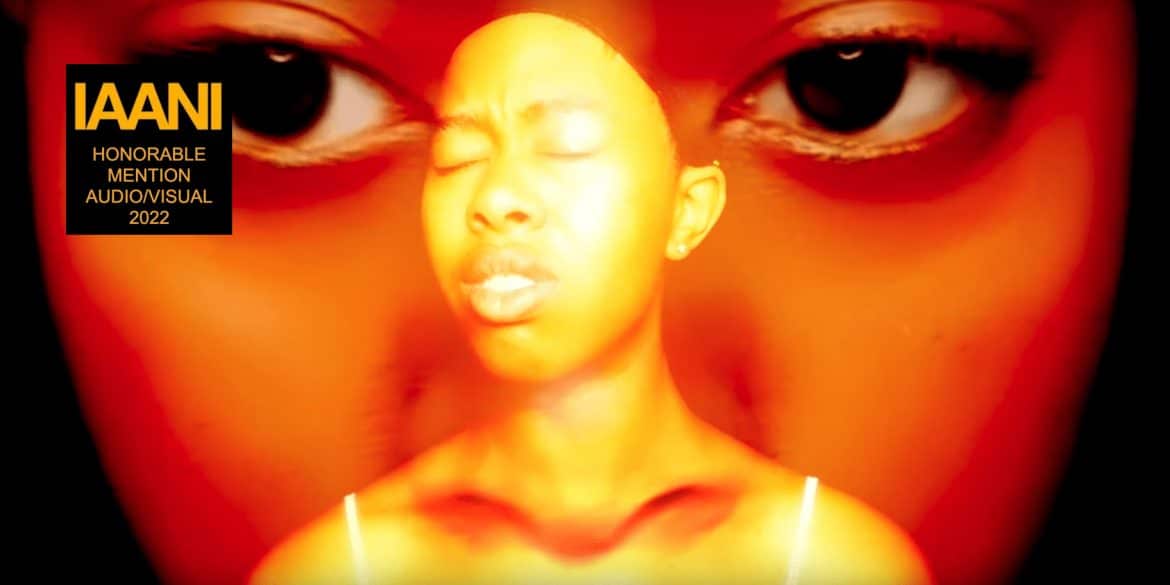
"Congratulations to Shanita Mitchell, Editorial Board member of The AutoEthnographer and multimedia artist, for her recognition by the International Association of Autoethnography and Narrative Inquiry (IAANI)."
Poet Anne McCrary Sullivan discusses her latest book Learning Calabar, Notes from a Poet’s Year in Nigeria with editor Michelle Reale.
SPECIAL ISSUES









EDUCATION, INTERVIEWS, PODCASTS, & REVIEWS
REFLECTIONS ON METHOD