
POPULAR ARTICLES





autoethnographer: one who uses lived experience as evidence with which to explore cultural phenomena.
FROM OUR ARCHIVES
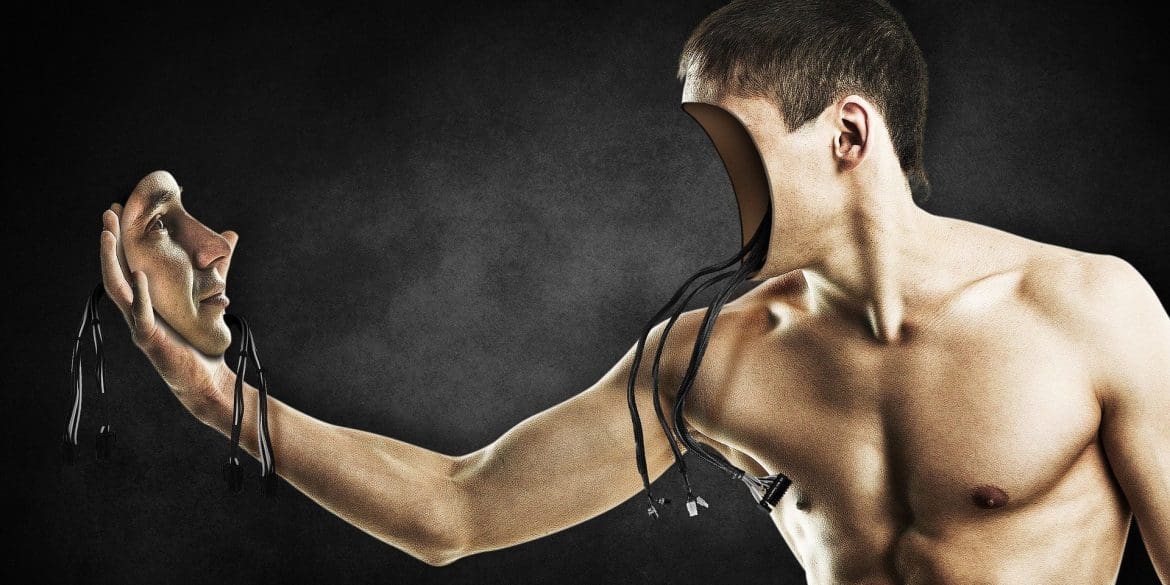
An empowered inner authenticity that supersedes the pressures faced by twenty-first century generations - striving for an unattainable false perfect ‘self’.
"The AutoEthnographer is committed to diversity, equity, & inclusion in its administration; support of emerging authors and artists; & celebration of creative expression as a vehicle for shared understanding & positive change."
The poem driving this experimental film about television considers the insomniacs who wake at the same time each night in rhythm.
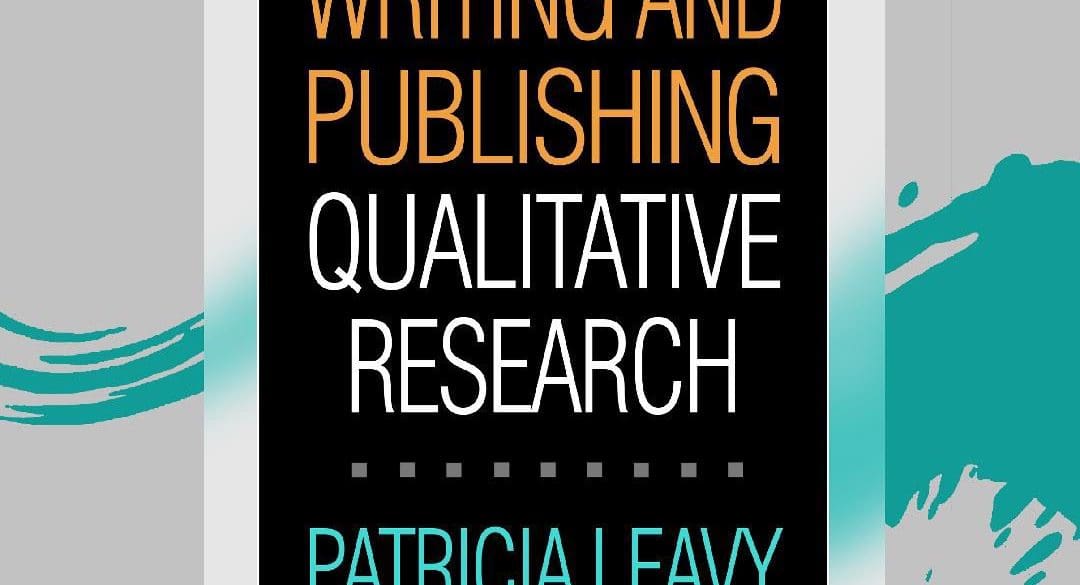
Leavy’s Writing and Publishing Qualitative Research is a comprehensive guide that navigates the intricate landscape of qualitative research from the writing phase to publishing.
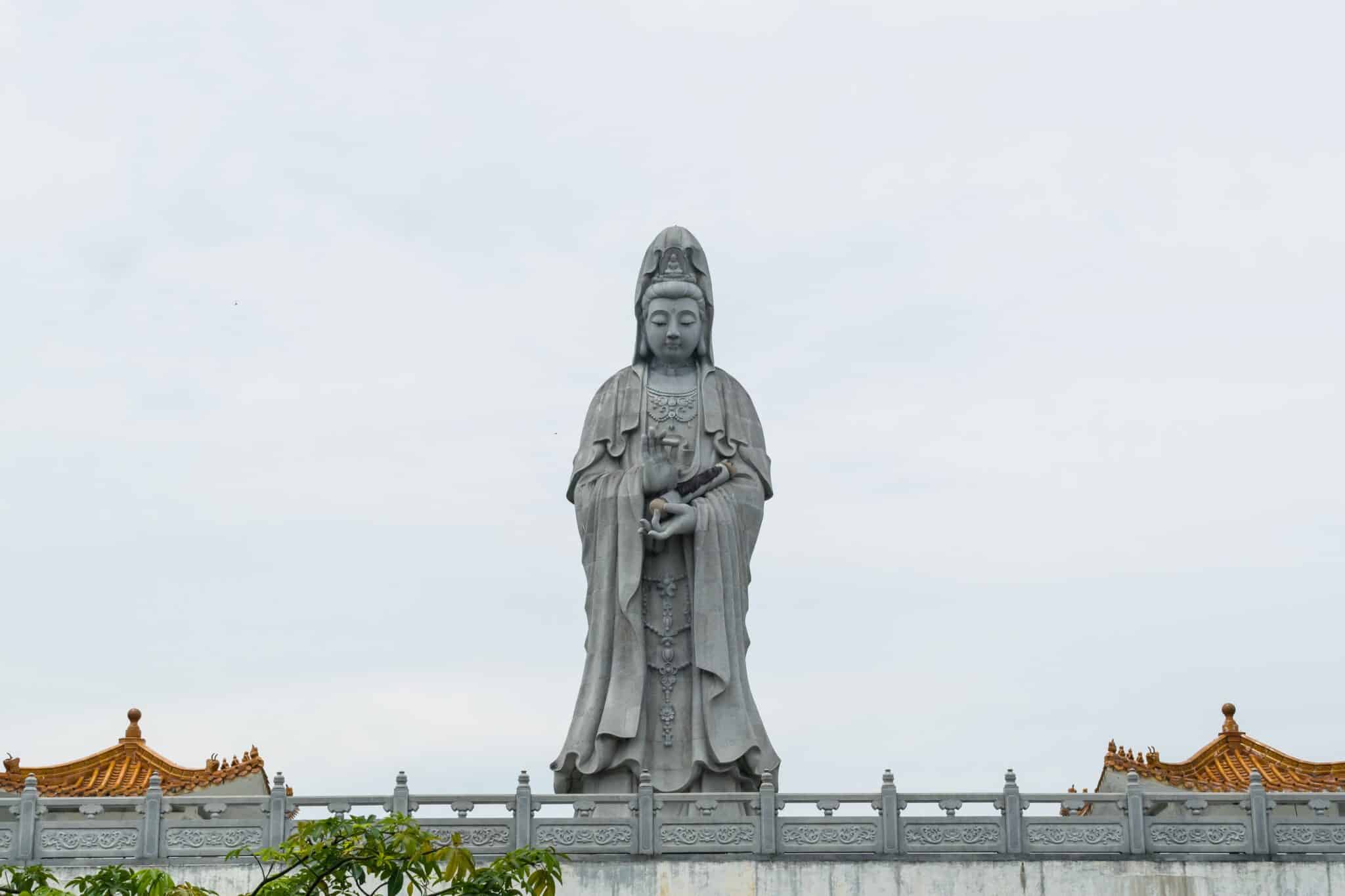
This lighthearted essay illustrates an experience I had in Singapore while doing research for a book I was writing about spirituality.
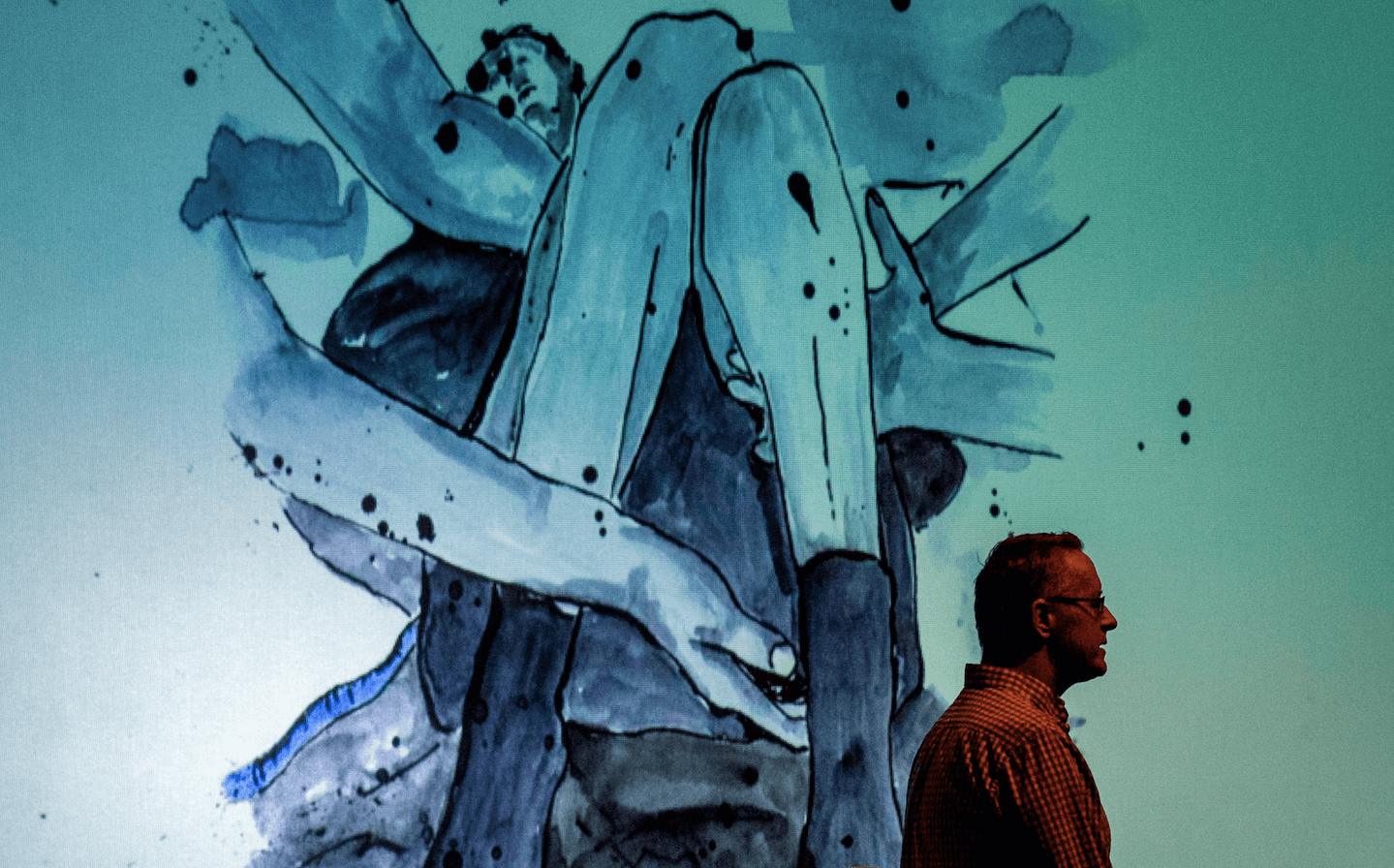
"I'm not exactly sure when I decided to make a performance piece about my sister's traumatic brain injury and death. In fact, I'm not sure there ever was a single moment of decision. Her story had become public in many ways, from online care sites to prayer chains to social media posts from family and friends. Her story was being performed out in the world before I started telling it."

This essay describes my experiences of the arts during the Covid-19 when arts and culture organizations had to pivot to virtual offerings.
“My ability to be creatively vulnerable with my mental illness as well as the experiences which contributed to it will serve as a method of self-healing.”

In my poetry, I highlight negative depictions of Catholic religion and discuss how they differ from my own experiences as a Catholic.

This artwork is based on a startling and memorable encounter at the local vet while attempting to get Anaïs spayed.

J. Sumerau·
All ContentAutoethnographic Flash NonfictionAutoethnographic Literary FictionVolume 3, Issue 4 (2023)
··19 min readThis short story about a night in a shed is an attempt to encourage any reader to think about the stories that circulate within communities.
"Not Forgotten: Another Glimpse into the Funeral Industry" is a new work of flash nonfiction from our columnist Hollace Sheppard.
FROM OUR ARCHIVES




autoethnographer: one who uses lived experience as evidence with which to explore cultural phenomena.

What is autoethnography? The AutoEthnographer's international team of editors offer definitions & suggested readings.

“The AutoEthnographer is an award-winning, non-profit, open-access, peer-reviewed literary and arts magazine dedicated to presenting the creative side of autoethnography, a qualitative research method uniting ethnography and autobiography that utilizes lived experience as evidence with which to explore cultural phenomena." ISSN: 2833-1400
AUTOETHNOGRAPHIC WRITING







AUTOETHNOGRAPHIC POETRY









AUTOETHNOGRAPHIC WRITING
"This essay on bodily autonomy specifically discusses abortion access and rights in the United States and Canada, and the politics that often follow."
This essay is about my experience teaching yoga in a California prison.

Written by a white, cisgender, male yoga practitioner and newly qualified teacher from a working-class, Northern English background, this account seeks to elucidate upon how the issues noted may manifest.
AUTOETHNOGRAPHIC MULTIMEDIA





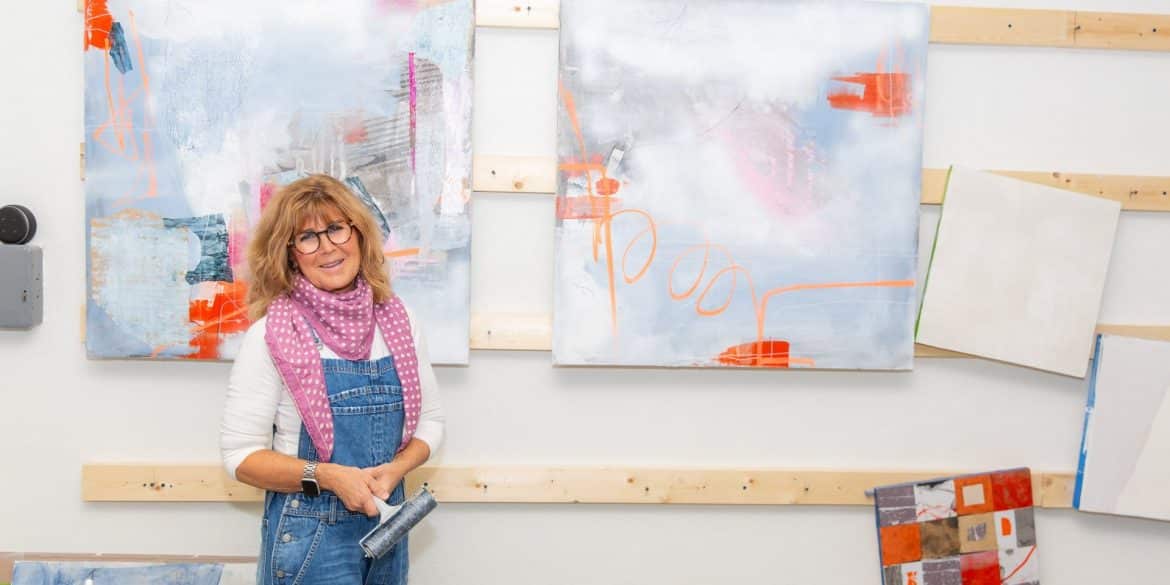

In today's new podcast & video Marlen Harrison talks with current marketing interns about the role of culture in using Google Ads.
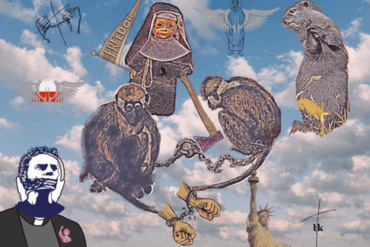
We address how to fragment and unite in this autoethnographic study, which we developed over the Messenger App. It utilises poetry and collage around death, loneliness, postmodern culture, and the latter’s related oppressive discourses and language, and alienation.
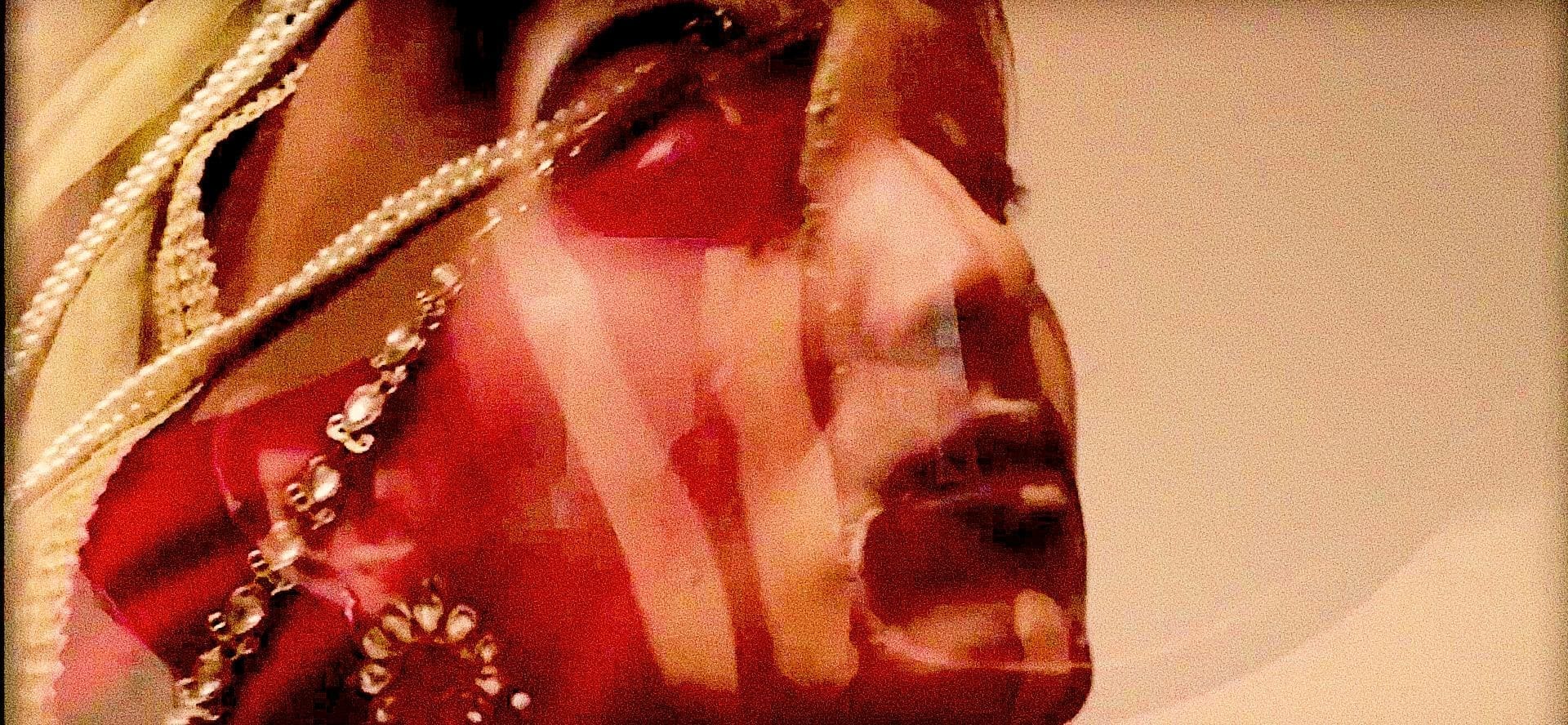
”I share this artistic piece as an invitation to problematise and think further about not only the Autoethnographic “I/We” in what I/we can know about ourselves and our bodies but also to make space for the incoherence that becomes a part of “being” and “knowing” in explorations of fragmentation and loss.”

I use poetry to describe living with ME/CFS, an illness that is chronic and invisible, thus bringing awareness to this little known diagnosis.

"I have continued to explore the usefulness of various poetic forms as a mechanism for providing access to suppressed internal voices."
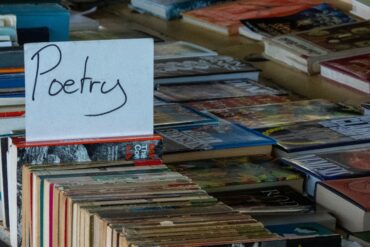
Poems As a Form of Powerful Activism and Barrier-breakers is a compilation of three poems which mean a lot for me.

U. Melissa Anyiwo·
All ContentAutoethnographic EssaysCelebrating Dr. Patricia Leavy's Social Fiction 2024MoreReflections on MethodSpecial Issues
··31 min readThis piece is intended to give you a sense of the ways in which I use Low-Fat Love in the classroom and why just using it makes the world a better place.

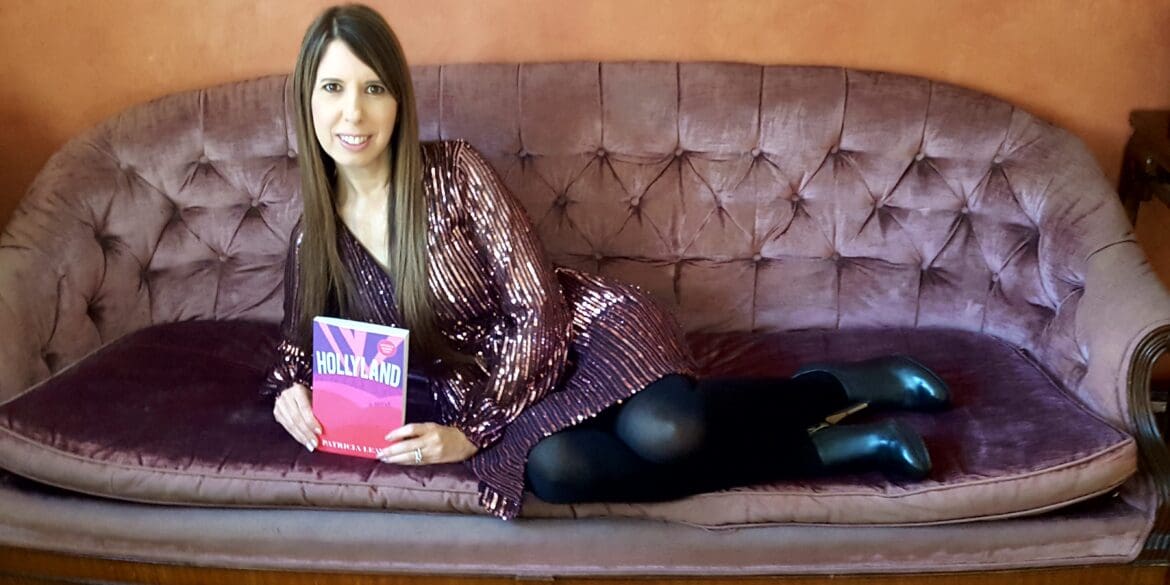
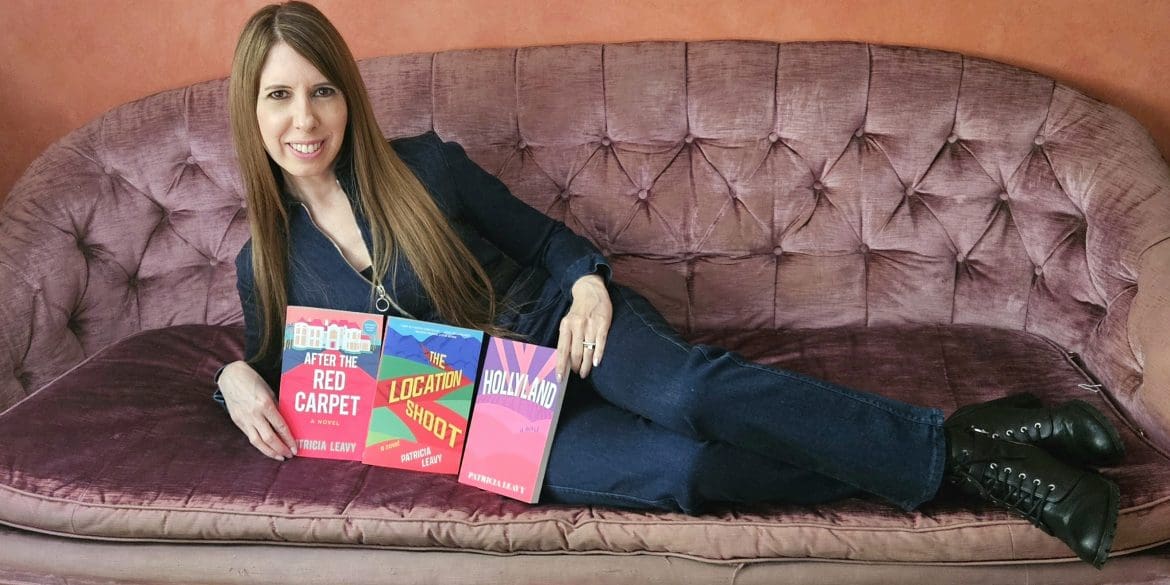
"In my interview with award-winning author Patricia Leavy on literary research, we also discuss her evolution from academic to novelist, her genre of "social fiction," and her latest novels series, Celestial Bodies."

Diane Riggins·
All ContentAutoethnographic EssaysAutoethnographic WritingReflections on MethodVolume 1, Issue 2 (2021)
··5 min read"My thesis began to unfold after doing some research on my final topic idea about Tolkien’s world, female characters, female gamers, and the stereotype that females are the love interests or damsels in distress. I chose autoethnography because it allowed me to add that personal angle to the paper because I am a female writer, reader, and gamer."

This is a love letter to my people, my family and a version of me trying to overcome the trauma of almost seeing their mother die.

This collection of poems is a glimpse into the lives lived on the margins, where the laws put in place to protect basic rights and bodily autonomy cease to apply.

Humor acts as a defense mechanism, a pressure release valve, a teaching tool. As a heart surgeon, I have used laughter for all these reasons.
NEWS, INTERVIEWS & REVIEWS
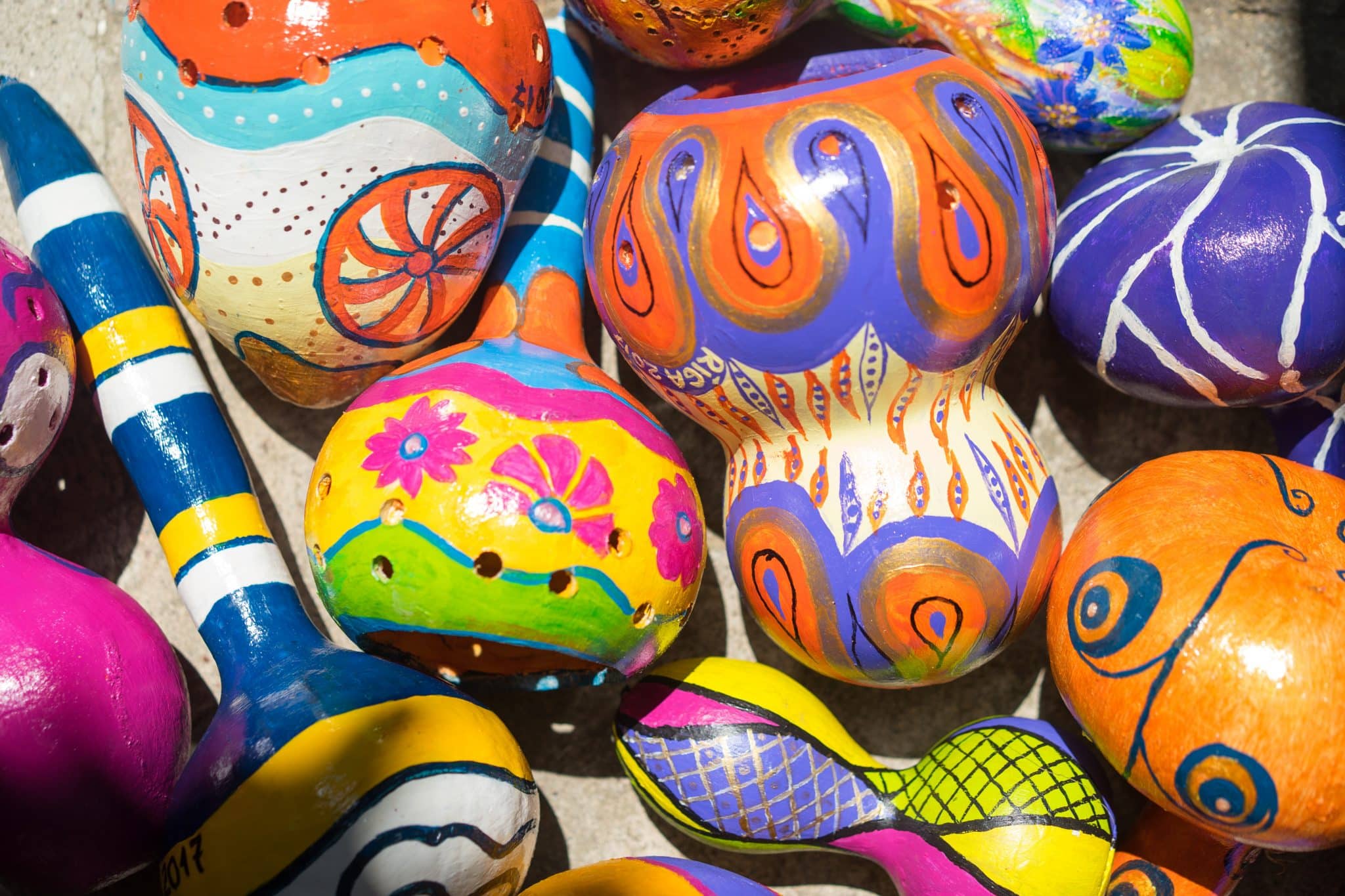
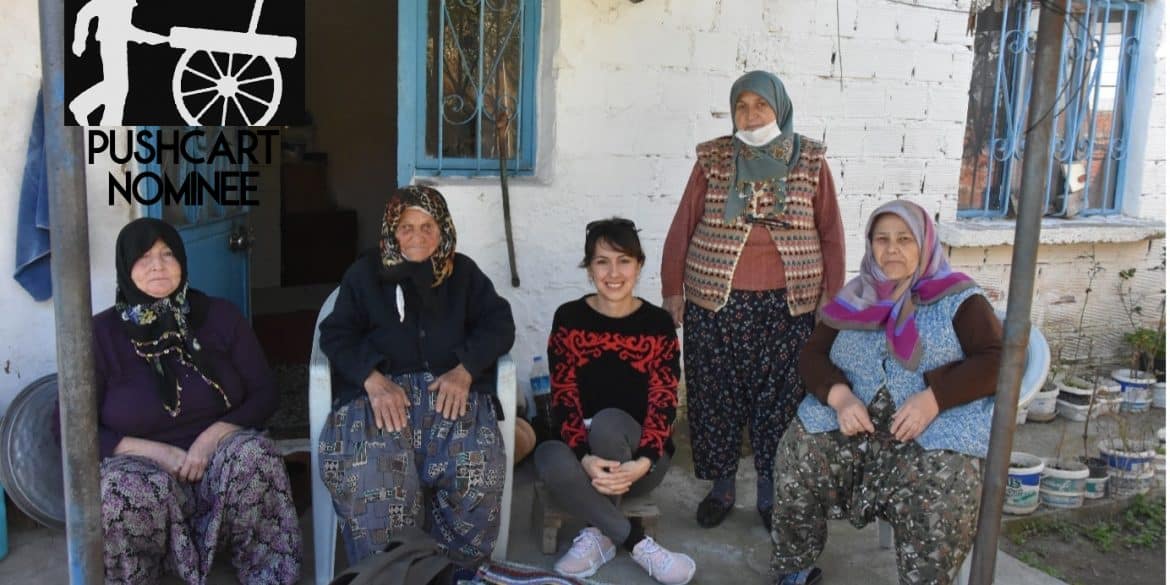
"In Turkey, we must consider opening folklore & the social sciences, but this time more powerfully, staggeringly, and creatively."
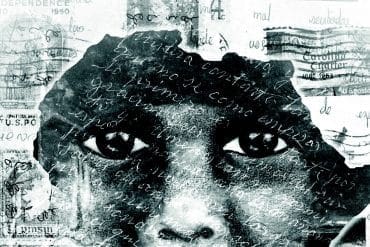
In The AutoEthnographer’s latest podcast, Marlen Harrison talks with Sandra Faulkner about collage and visual poetry.
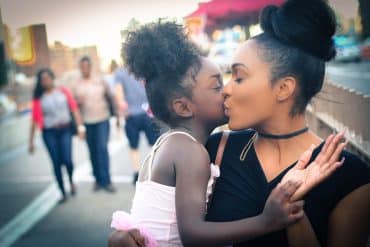
"Editor Guillermo Gil reviews Renata Harden Ferdinand's An Autoethnography of African American Motherhood: Things I Tell my Daughter."
SPECIAL ISSUES

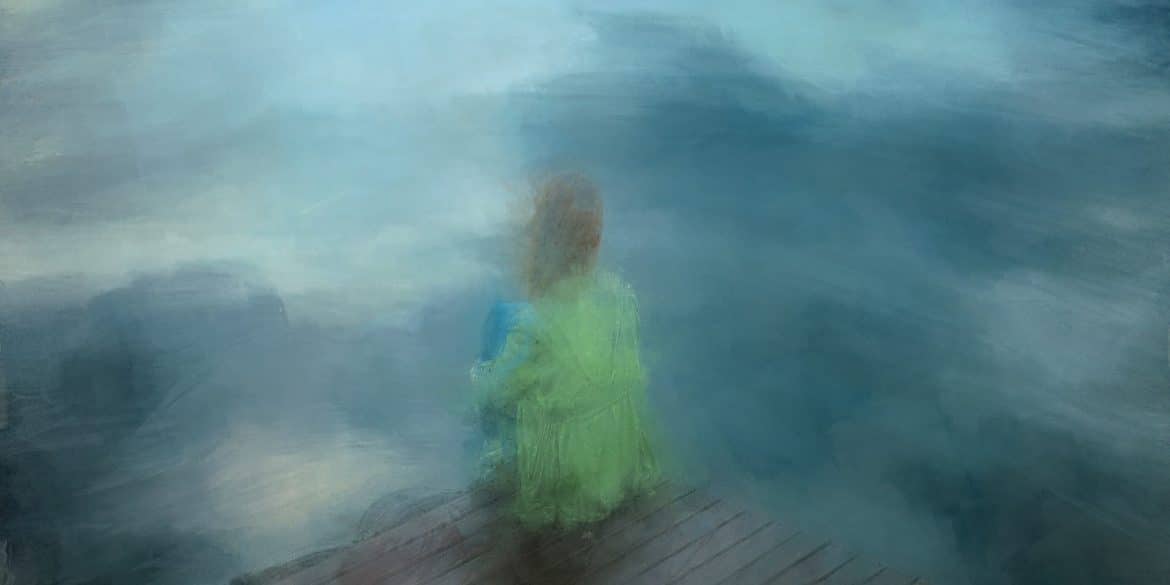
Visitation, an Autoethnodrama in One Act
In this autoethnographic play, a woman terminates a pregnancy without telling her husband.


EDUCATION, INTERVIEWS, PODCASTS, & REVIEWS





REFLECTIONS ON METHOD