
POPULAR ARTICLES



autoethnographer: one who uses lived experience as evidence with which to explore cultural phenomena.
FROM OUR ARCHIVES

This collection of poems is a glimpse into the lives lived on the margins, where the laws put in place to protect basic rights and bodily autonomy cease to apply.

These pieces explore through personal experience the cultural phenomena of migrant loss of identity and subordination, post colonialism, othering
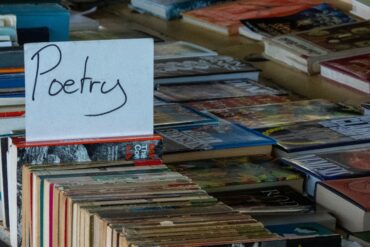
Poems As a Form of Powerful Activism and Barrier-breakers is a compilation of three poems which mean a lot for me.
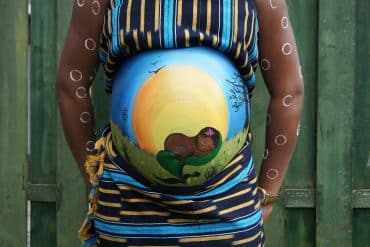
"This autoethnographic poetry is born of my personal experience, witness, as well as currently chronicled and ancestral lore."
In my work , the issues of depression, anxiety, and bulimia nervosa are discussed heavily.

Patricia Leavy·
All ContentAutoethnographic EssaysCelebrating Dr. Patricia Leavy's Social Fiction 2024MoreReflections on MethodSpecial Issues
··11 min readWriting fiction allows me to document reality and to reimagine it, just as we can always reimagine ourselves. And that is why we need stories.
J. Sumerau·
All ContentAutoethnographic Flash NonfictionAutoethnographic Literary FictionVolume 3, Issue 4 (2023)
··19 min readThis short story about a night in a shed is an attempt to encourage any reader to think about the stories that circulate within communities.
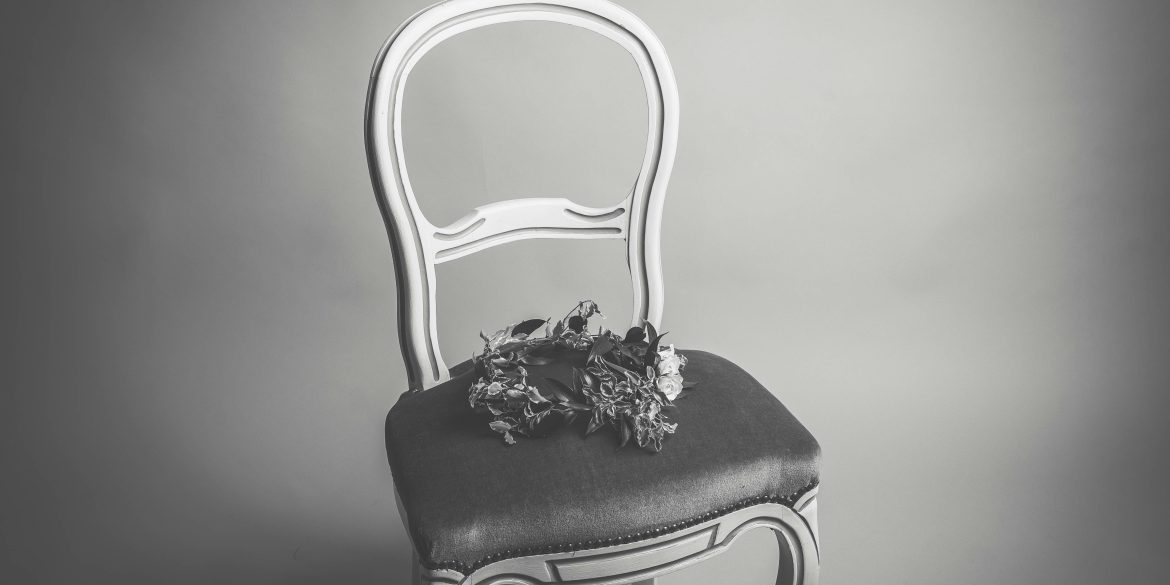
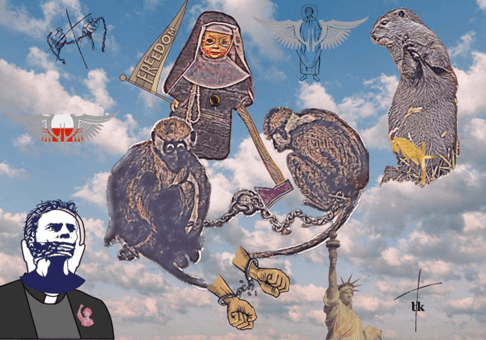
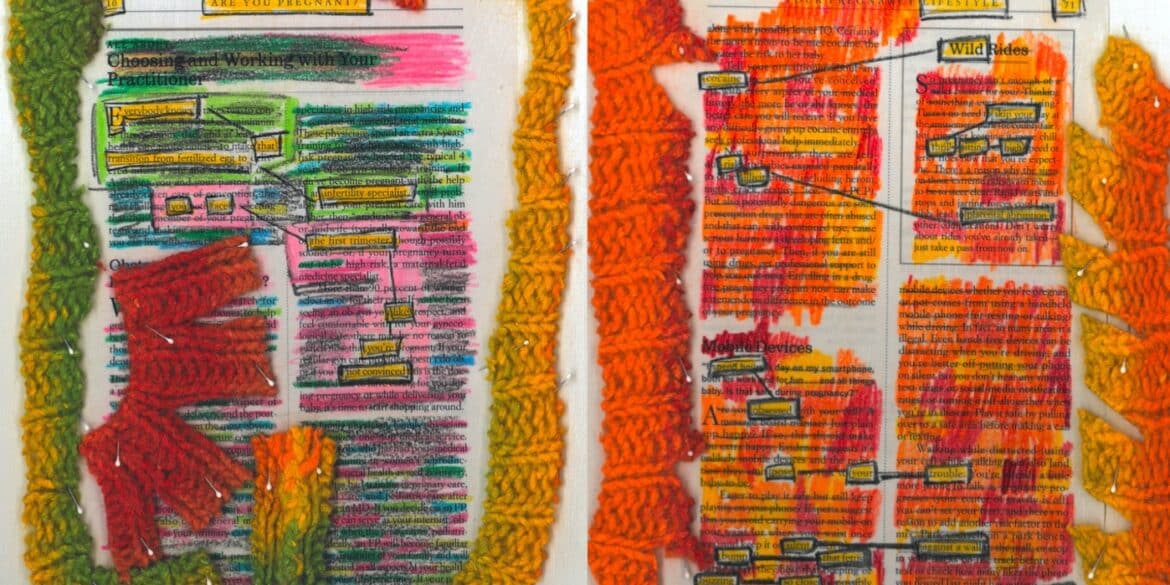
You’re Still Here: Art and Grief in Autoethnographic Textiles Artist’s Memo You’re...
"As fragrance, and perfume in particular, has played a major role in the shaping of my writer’s voice, and participation in cultures of fragrance has had a major impact upon my identity, it is impossible to situate myself outside of these cultures. It is because of this privilege of “insider identity” within the global fragrance community and my natural inclination towards narrative research that I turned to autoethnography."
The otherness is not somewhere out there. It’s in me. Still, my search did not stop to this discovery. It took me profoundly even further. It took me to love and poetry.
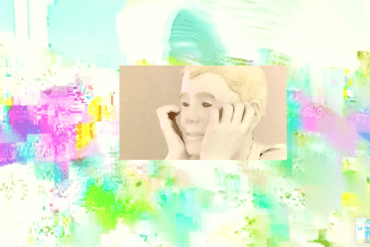
The poem driving this experimental film about television considers the insomniacs who wake at the same time each night in rhythm.
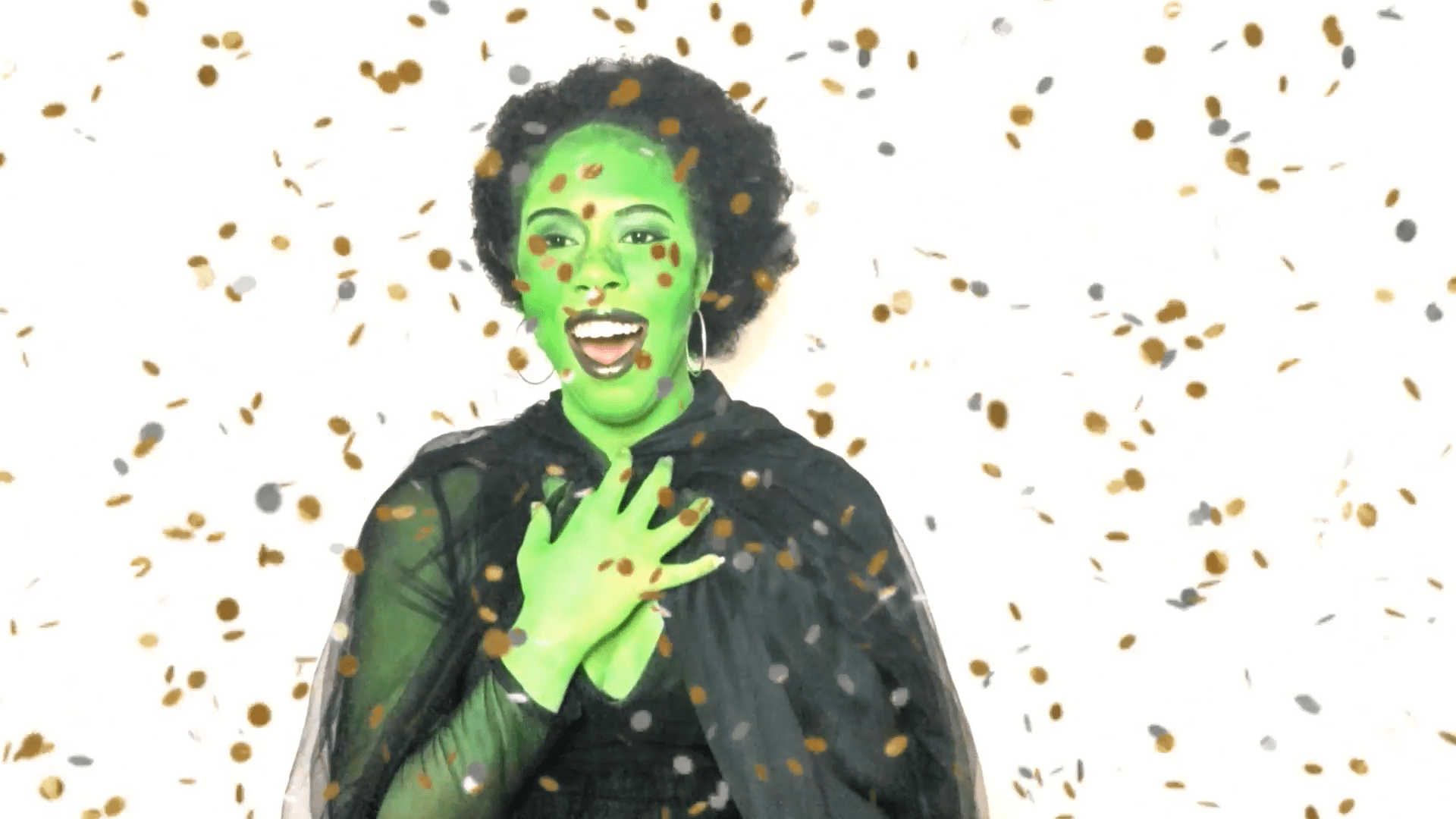
What happens when a witch is black? This piece is a salute to the transformational beauty of cosplay & all the laughter it inspires.
FROM OUR ARCHIVES


autoethnographer: one who uses lived experience as evidence with which to explore cultural phenomena.
What is autoethnography? The AutoEthnographer's international team of editors offer definitions & suggested readings.
“The AutoEthnographer is an award-winning, non-profit, open-access, peer-reviewed literary and arts magazine dedicated to presenting the creative side of autoethnography, a qualitative research method uniting ethnography and autobiography that utilizes lived experience as evidence with which to explore cultural phenomena." ISSN: 2833-1400
AUTOETHNOGRAPHIC WRITING




AUTOETHNOGRAPHIC POETRY


AUTOETHNOGRAPHIC WRITING
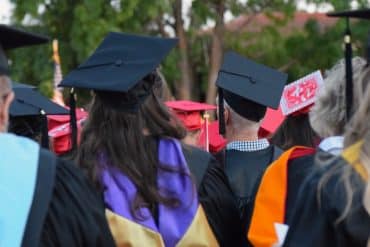
"When I was first accepted into the PhD by research program in the UK, I had mixed feelings, mainly because I was about to pursue a career that I didn’t have the heart for, and partially because I would need to explore yet another new culture, country, and environment."
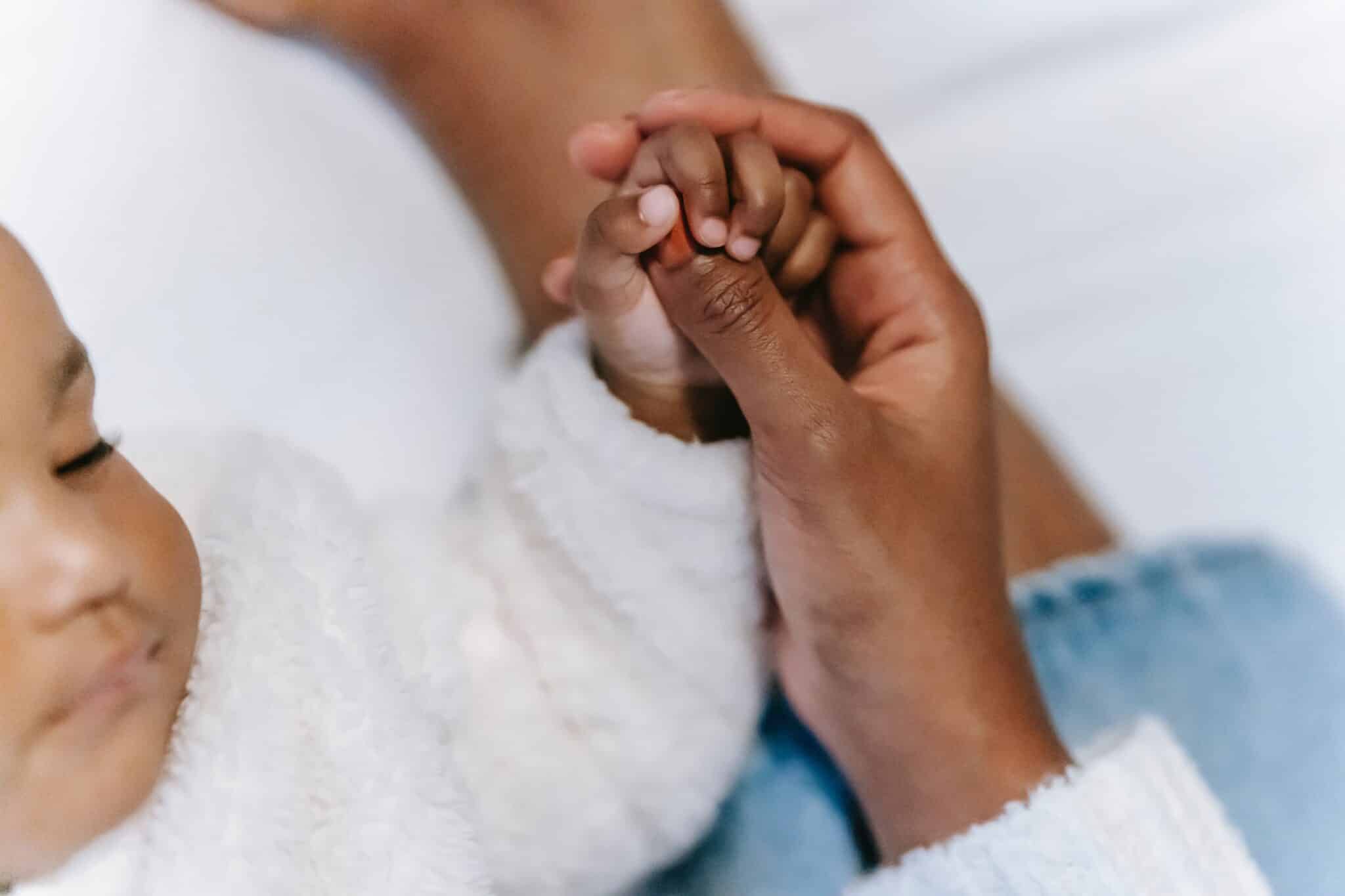
"This is an autoetnography of a black fatherhood journey which encapsulates my hopes, my fears, my love of baby and mother, while trying my best to make sense of a Black fatherhood I wanted so very dearly."
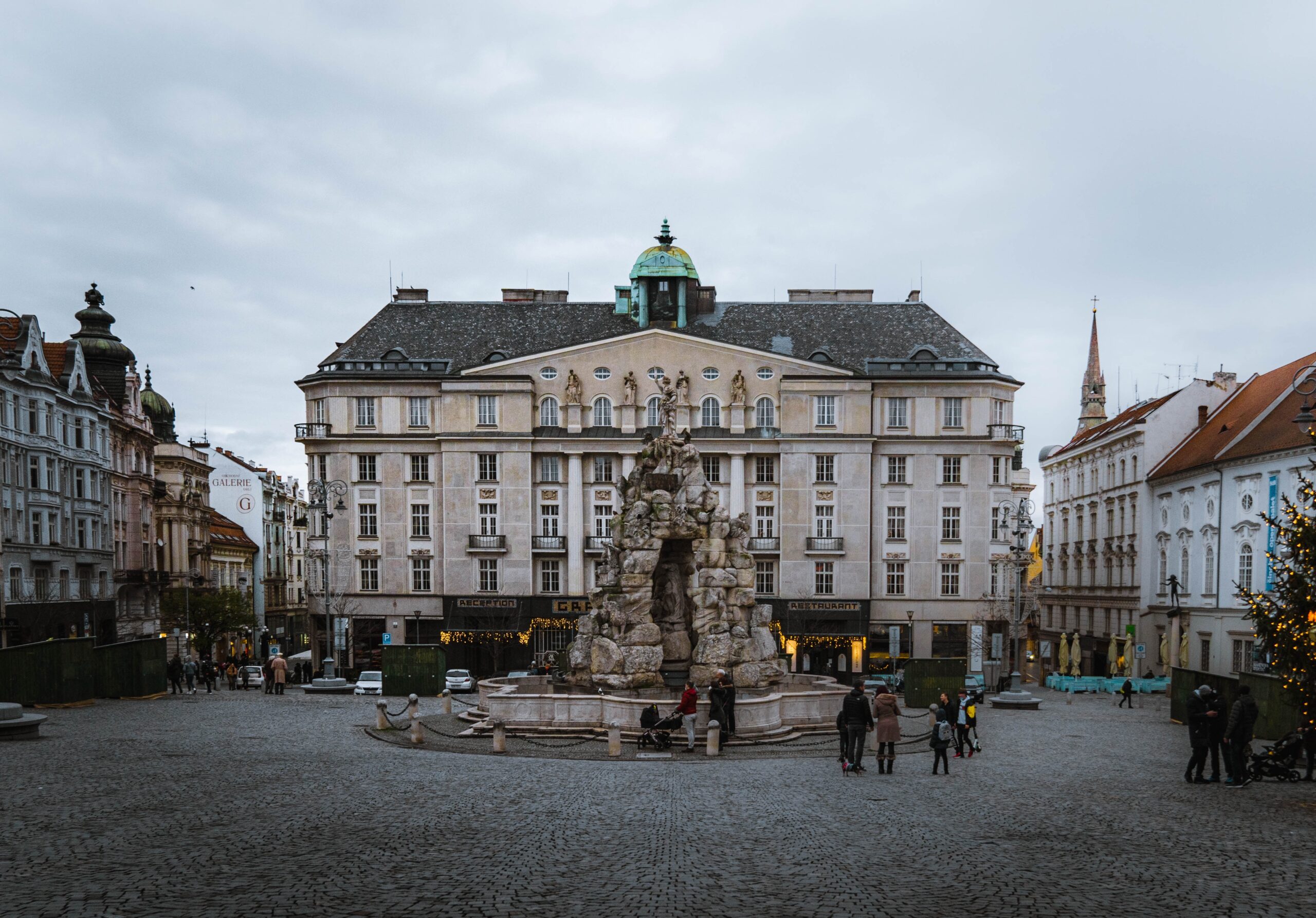
This piece recounts a trip I took to the Czech Republic and it is proof that language barriers similarly embolden people to speak cruelly.
AUTOETHNOGRAPHIC MULTIMEDIA




Marlen Harrison·
All ContentAutoethnographic Art & MultimediaEducationFrom the EditorsMoreReflections on MethodVolume 2, Issue 1 (2022)
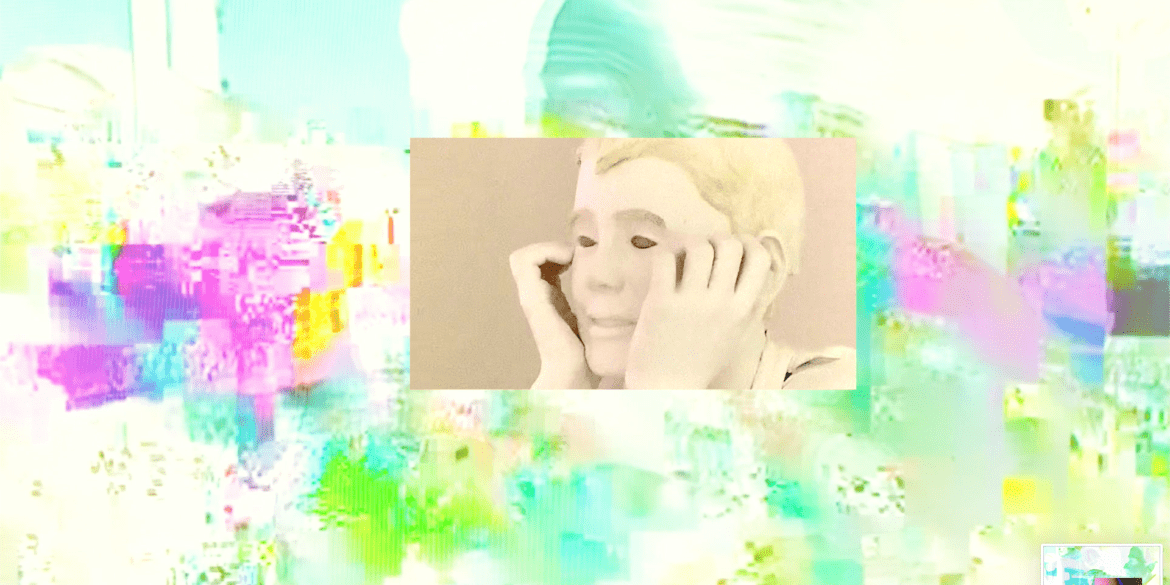
··5 min read"In this brief, animated autoethnography, I utilize the concept of a sociocultural third space to consider why evocative autoethnography can benefit from its own literary and arts journal."
How do creatives find joy in artistic performance as a form of black feminist autoethnography? Podcast & video.
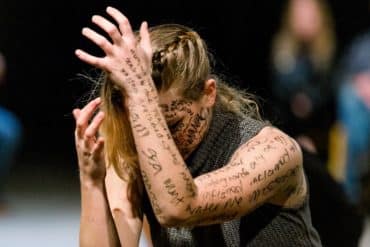
"I called out the demons one by one. I named them. I gave them precise blocking and ultimately, I controlled where they stood, breathed, and bourréed. I gave them an entrance, and a stage, and then I sent them away."
“Woken Word” was born as my inner voice was awakening and the world, ironically was becoming “woke” while simultaneously retreating into isolation.

"While living in Ecuador, I wrote “Home” which essentially is an homage to the “third-culture kid” phenomenon, when your parents are from another country than the one you grew up in."

“Tired,” the titular poem and the collection at large, is an autoethnography looking at the cause of so much pain, so much fatigue. Anthropomorphizing the feeling of being tired gave me creative license to dramatize and explore the real experiences of needing a break...
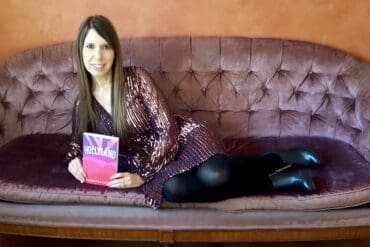
Laurel Richardson and U. Melissa Anyiwo·
All ContentAutoethnographic EssaysCelebrating Dr. Patricia Leavy's Social Fiction 2024MoreReflections on MethodSpecial Issues
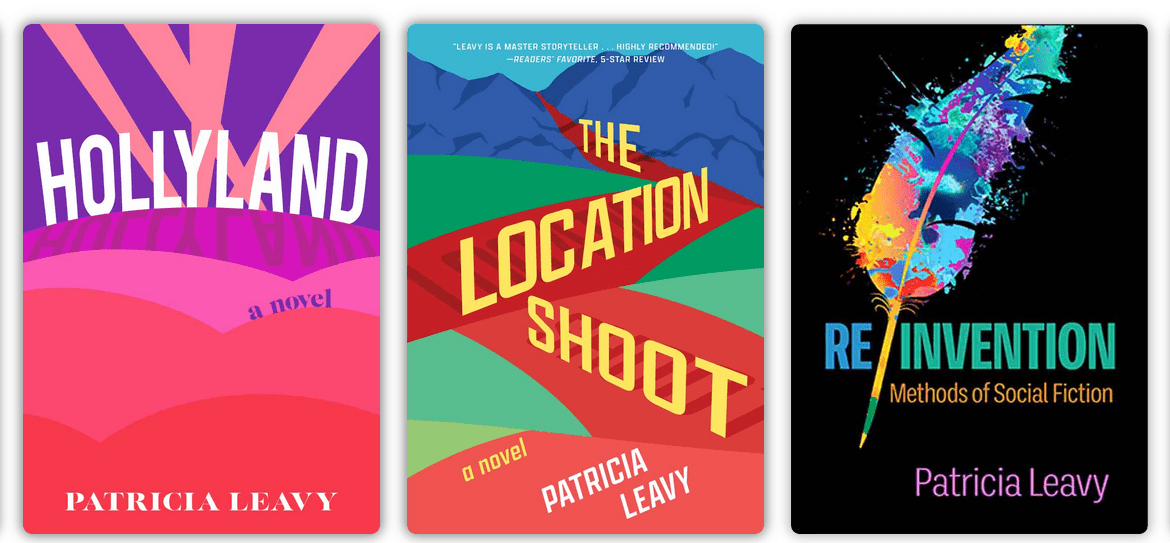
··14 min readLaurel Richardson and U. Melissa Anyiwo writes the introduction to this special issue celebrating Dr. Patricia Leavy’s work.
How do creatives find joy in artistic performance as a form of black feminist autoethnography? Podcast & video.
"It is in finding these solutions, the tape and the glue that holds us all together, that we find the beauty of who we are as people."

Christine Sleeter·
All ContentAutoethnographic EssaysCelebrating Dr. Patricia Leavy's Social Fiction 2024MoreReflections on MethodSpecial Issues
··23 min readChristine Sleeter writes about Dr. Patricia Leavy's new genre, Sleeter's own books and her reflections on the social fiction series.
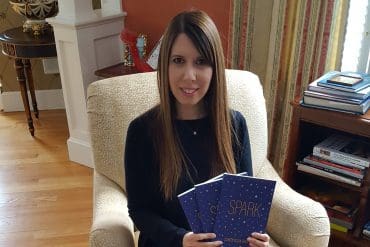
J.E. Sumerau·
All ContentAutoethnographic EssaysCelebrating Dr. Patricia Leavy's Social Fiction 2024Special Issues
··16 min readGratitude is a recurring theme I hear from readers of Patricia Leavy’s social fiction. This is an essay about Patricia Leavy novels.
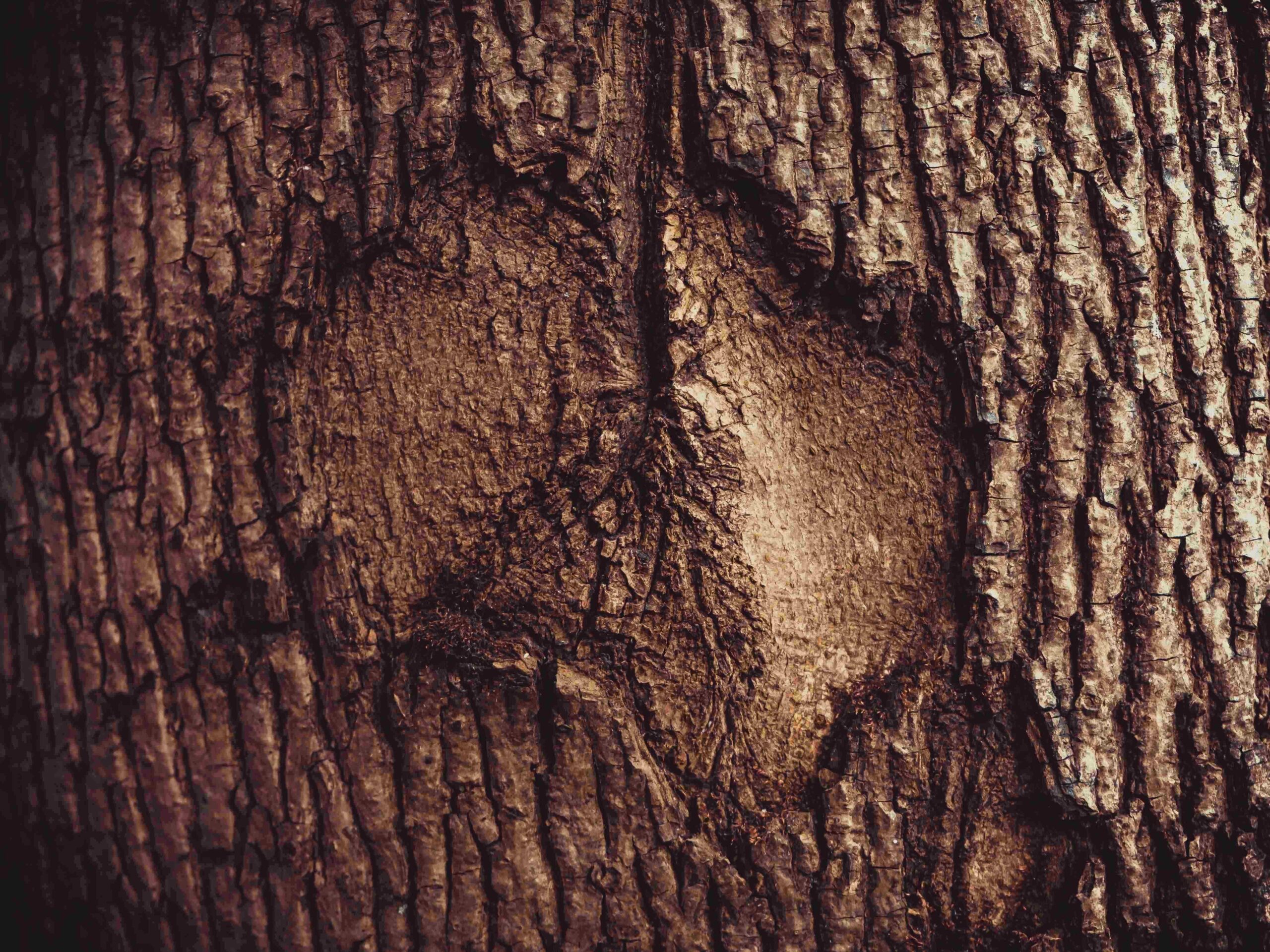
This work is part of a larger ethnography of scars, one that addresses the intersection medicine, religion, and body politics in (among other places) Nebraska.
NEWS, INTERVIEWS & REVIEWS
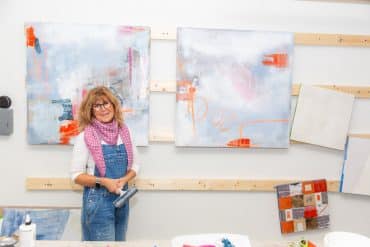
Marlen Harrison·
All ContentAutoethnographic Art & MultimediaClimate Change Special Issue, 2022InterviewsMorePodcastsSpecial Issues
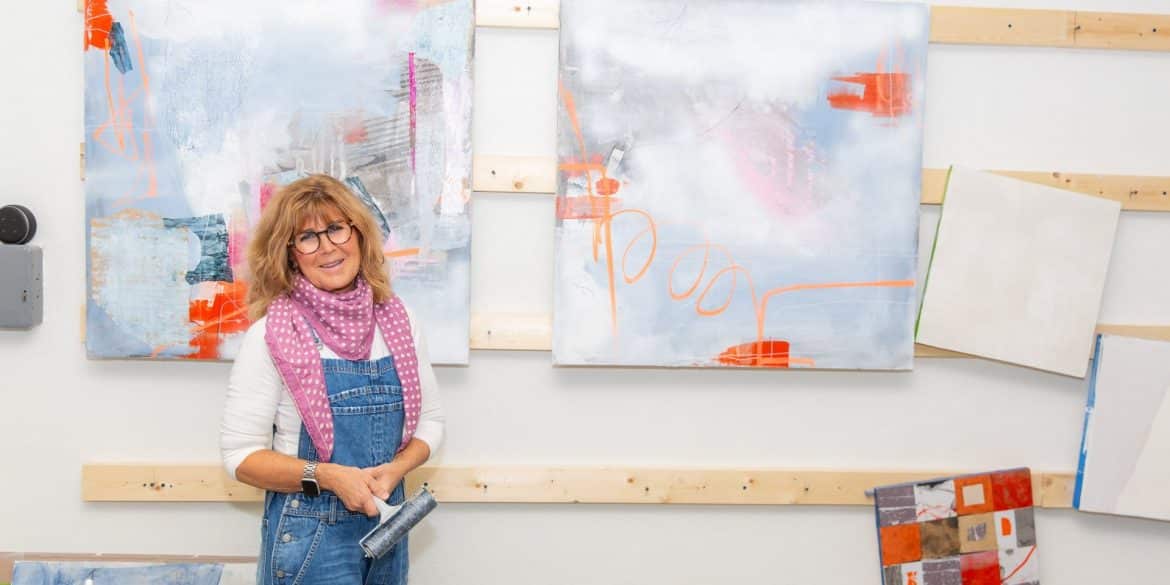
··15 min read"Award-winning artist, Suzanne Hughes, talks about autoethnography and painting. Suzanne is responsible for the cover art for our special issue based on climate change."

"The AutoEthnographer is hiring paid interns! A federally recognized 501(c)(3), we're looking for a Social Media Editor and a Layout and Design Editor."

"In my interview with award-winning author Patricia Leavy on literary research, we also discuss her evolution from academic to novelist, her genre of "social fiction," and her latest novels series, Celestial Bodies."
SPECIAL ISSUES





EDUCATION, INTERVIEWS, PODCASTS, & REVIEWS





REFLECTIONS ON METHOD