
POPULAR ARTICLES



autoethnographer: one who uses lived experience as evidence with which to explore cultural phenomena.
FROM OUR ARCHIVES

U. Melissa Anyiwo·
All ContentAutoethnographic EssaysCelebrating Dr. Patricia Leavy's Social Fiction 2024MoreReflections on MethodSpecial Issues
··31 min readThis piece is intended to give you a sense of the ways in which I use Low-Fat Love in the classroom and why just using it makes the world a better place.

Lina Fe Simoy·
All ContentAutoethnographic EssaysAutoethnographic PoetryFrom the EditorsMoreVolume 3, Issue 2 (2023)
··5 min readThere are multiple approaches to find one's poetic voice depending on the lens one chooses as a part of the author’s creative process.
In this new issue from The AutoEthnographer, we introduce new features such as book reviews and autoethnographic art.
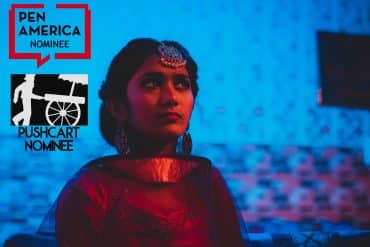
"I wrote Asha’s story to give voice to all the women in rural Bangladesh who cannot speak out against their abusers or society."
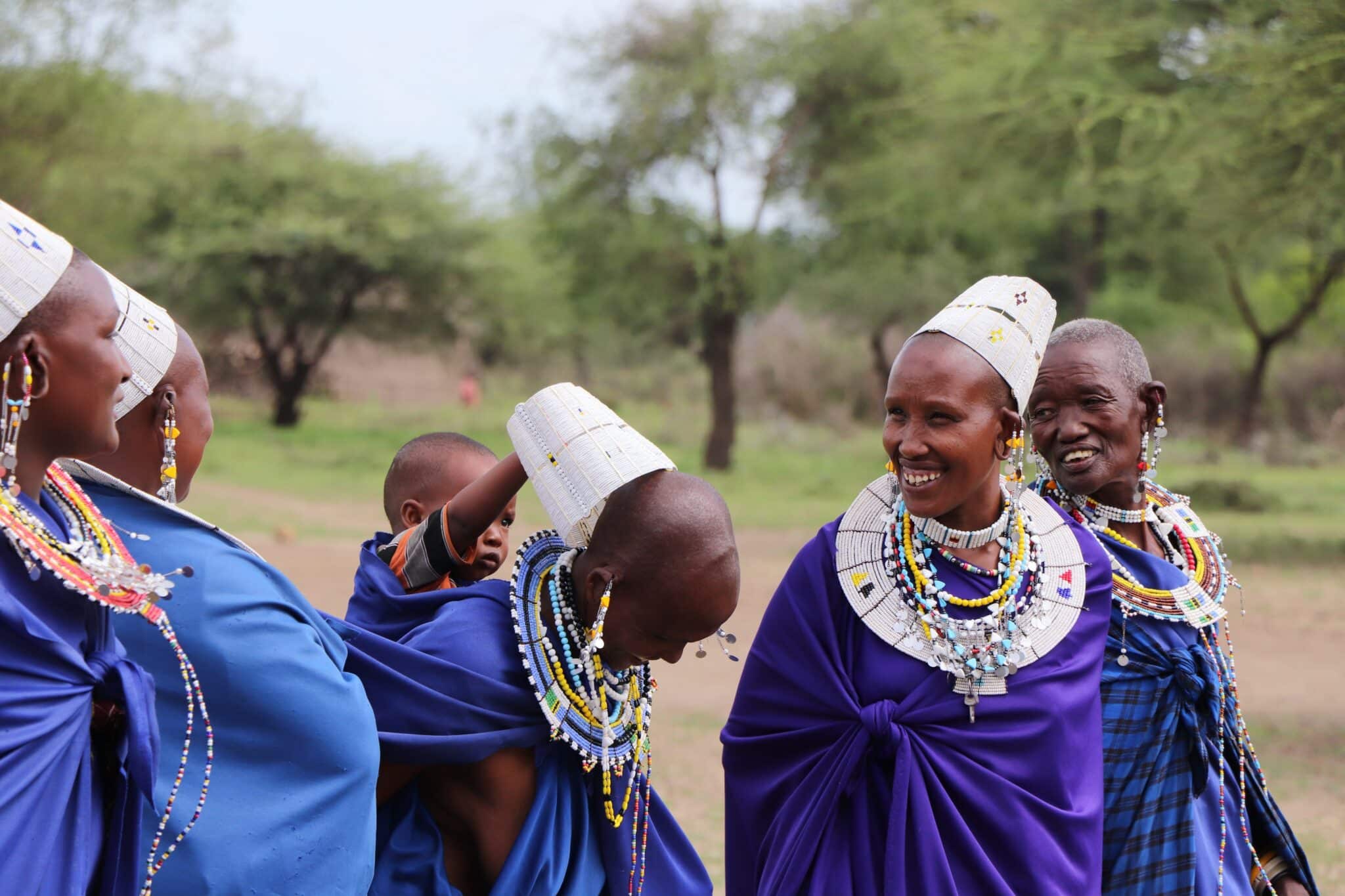
Ethology is a highly fictionalized ethnographic account of my travels around Tanzania, East Africa during my teens.
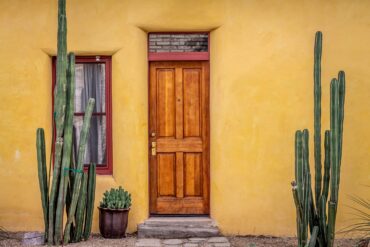
However, this autoethnographic piece helped me recognize the importance of levity even when the intellectual content is heavy.
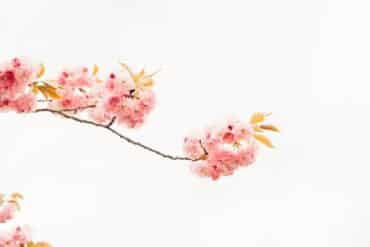
Zona. I have always thought that names of diseases sound so beautiful. This is the story of a disease that lives with me.
One Man’s Perspective on Grieving and Death is a narrative representation of death as a universal humanistic theme.

"Dr. Nadine Khair discusses why autoethnography is essential to successful businesses in this latest podcast."
I. Hate. Black. History. Month. And I’m hopeful, that in time, you will come to hate it too!
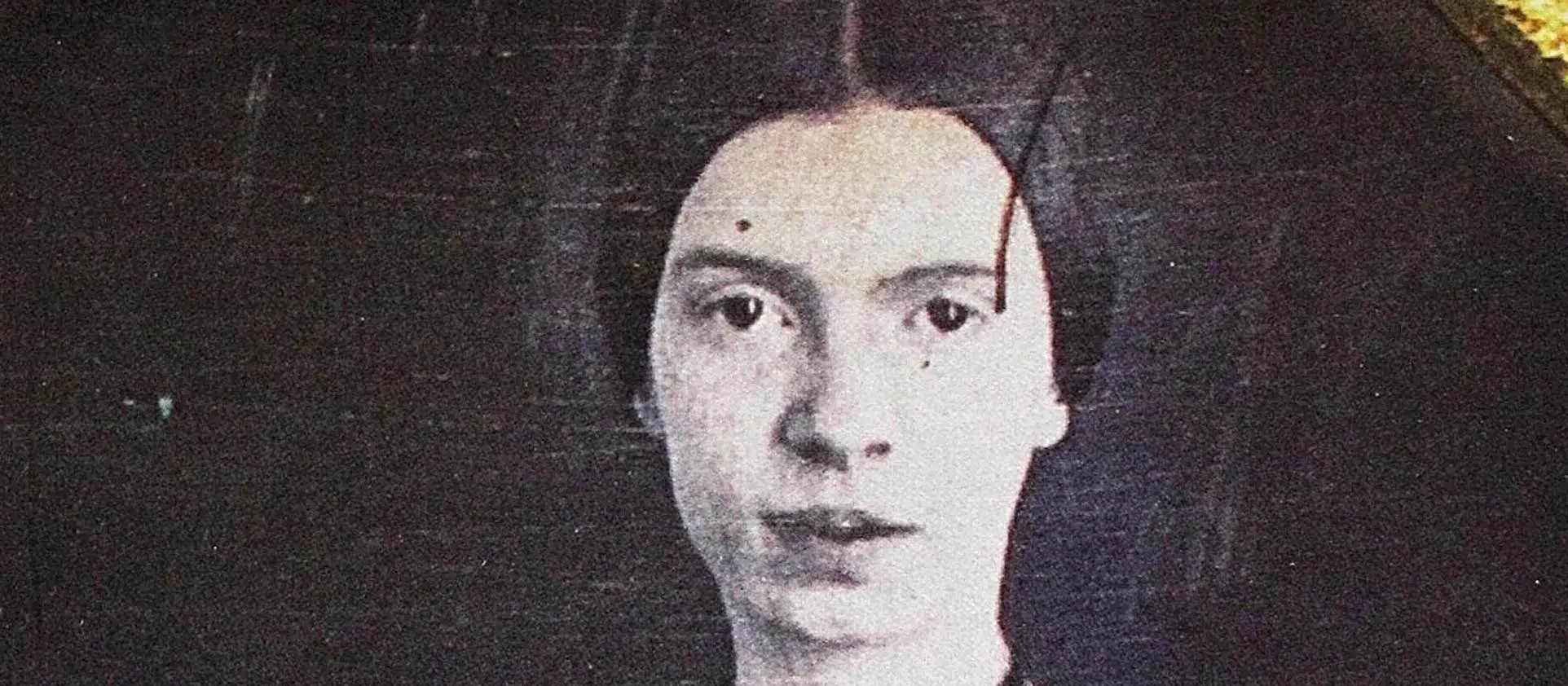
"For me, being a feminist simply means I am a strong, independent woman who has ideas and thoughts of her own; but it also means something else, which is an idea that confuses even me. I mean, how could I be a feminist when I am also a conservative woman?"
In this new issue from The AutoEthnographer, we highlight work from authors and artists in the USA, Finland, Bangladesh/Canada, Chile/USA, and India.
FROM OUR ARCHIVES


autoethnographer: one who uses lived experience as evidence with which to explore cultural phenomena.
What is autoethnography? The AutoEthnographer's international team of editors offer definitions & suggested readings.
“The AutoEthnographer is an award-winning, non-profit, open-access, peer-reviewed literary and arts magazine dedicated to presenting the creative side of autoethnography, a qualitative research method uniting ethnography and autobiography that utilizes lived experience as evidence with which to explore cultural phenomena." ISSN: 2833-1400
AUTOETHNOGRAPHIC WRITING

Visitation, an Autoethnodrama in One Act
In this autoethnographic play, a woman terminates a pregnancy without telling her husband.


AUTOETHNOGRAPHIC POETRY






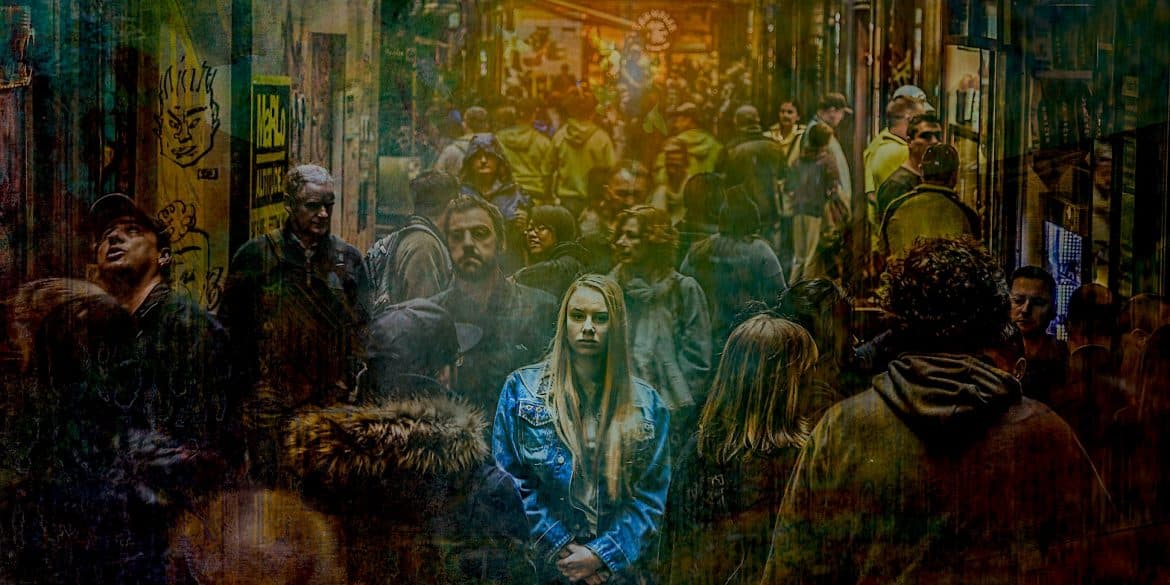
AUTOETHNOGRAPHIC WRITING
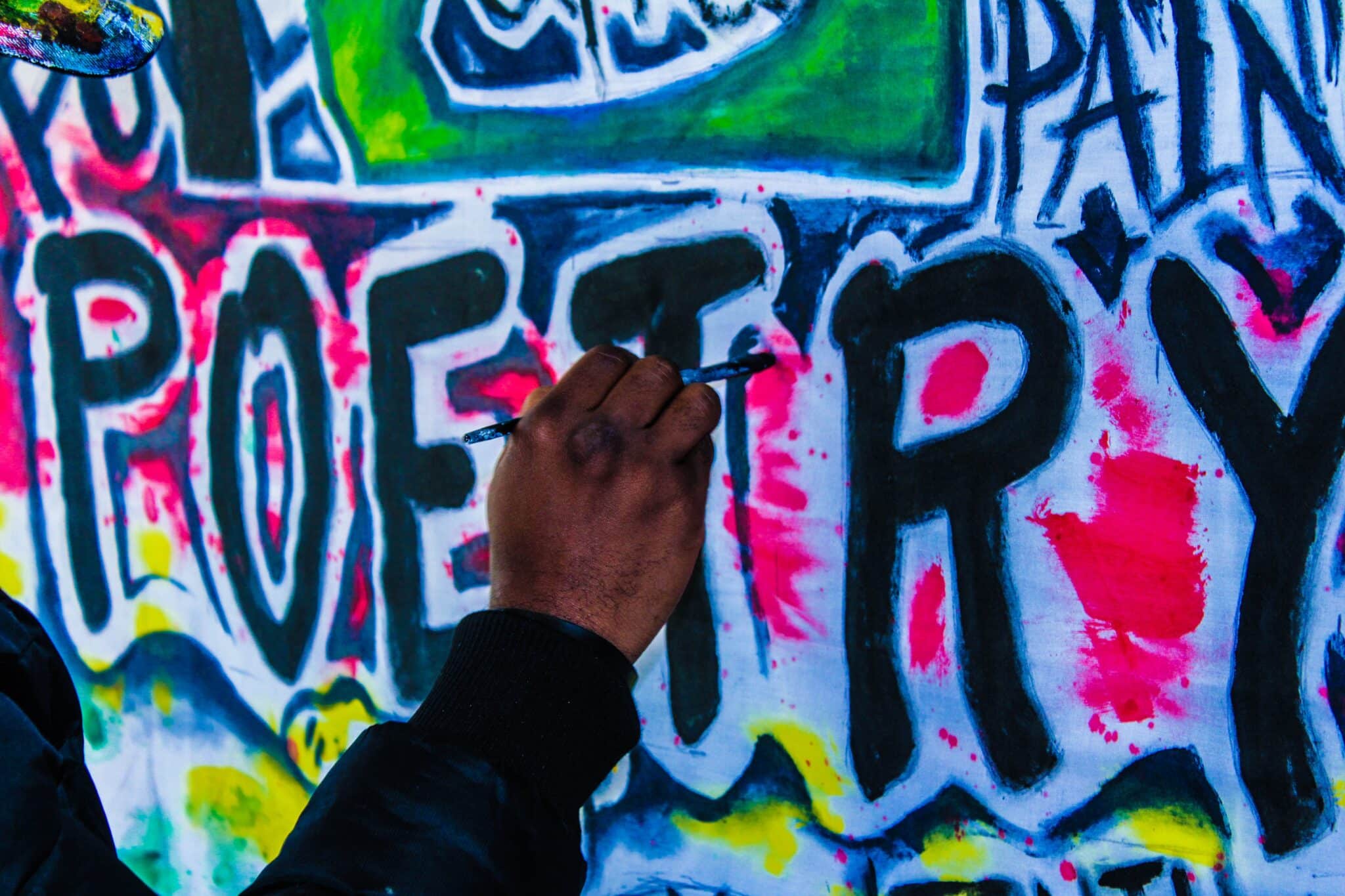
"One can’t write poetry without love. It is the strongest and the most vital root in poetry."
"As fragrance, and perfume in particular, has played a major role in the shaping of my writer’s voice, and participation in cultures of fragrance has had a major impact upon my identity, it is impossible to situate myself outside of these cultures. It is because of this privilege of “insider identity” within the global fragrance community and my natural inclination towards narrative research that I turned to autoethnography."
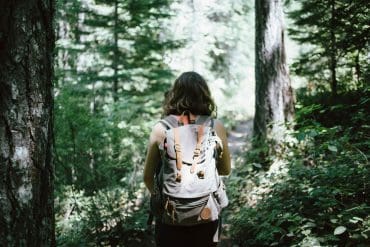
This piece of original short fiction contains plot elements based on my recent adventures hiking remote trails in Ecuador and Colorado.
AUTOETHNOGRAPHIC MULTIMEDIA

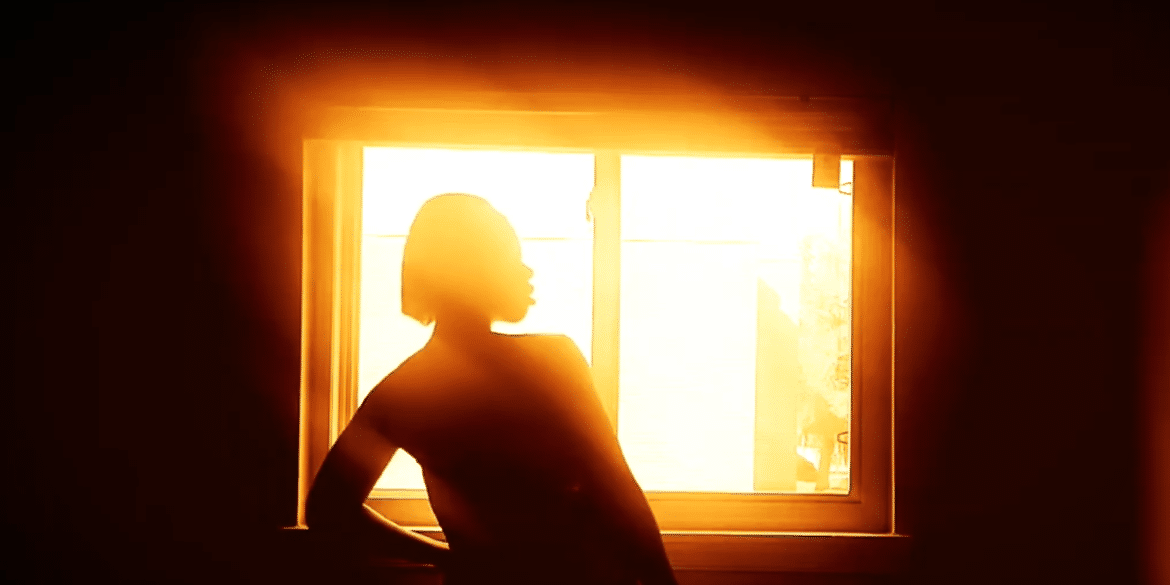
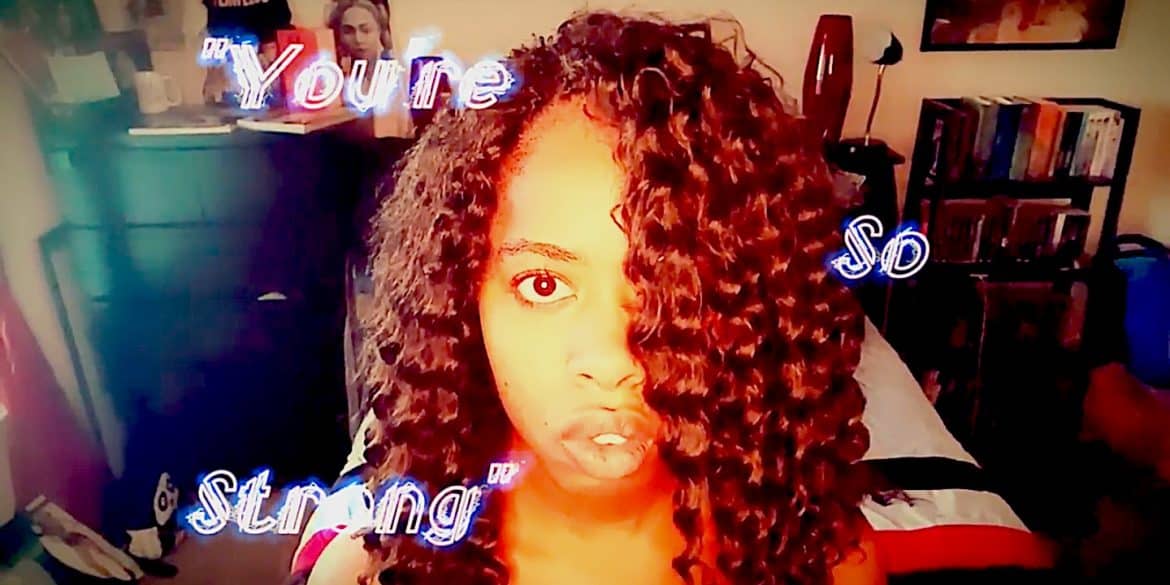
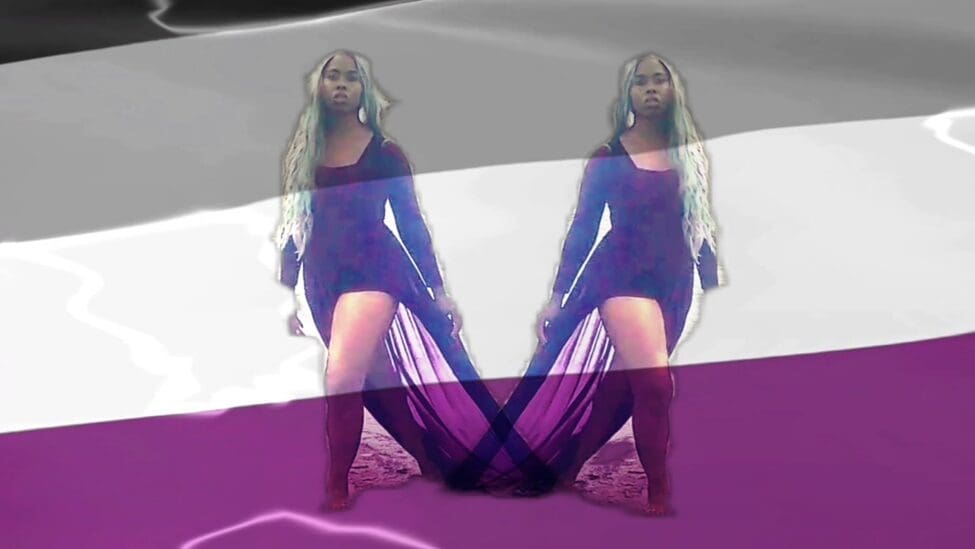
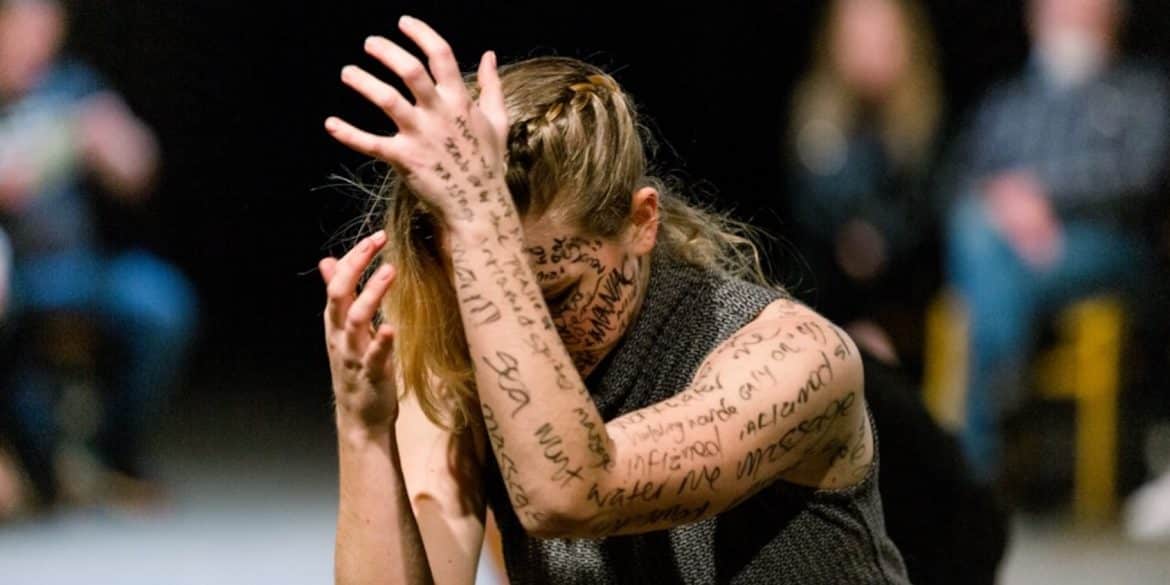
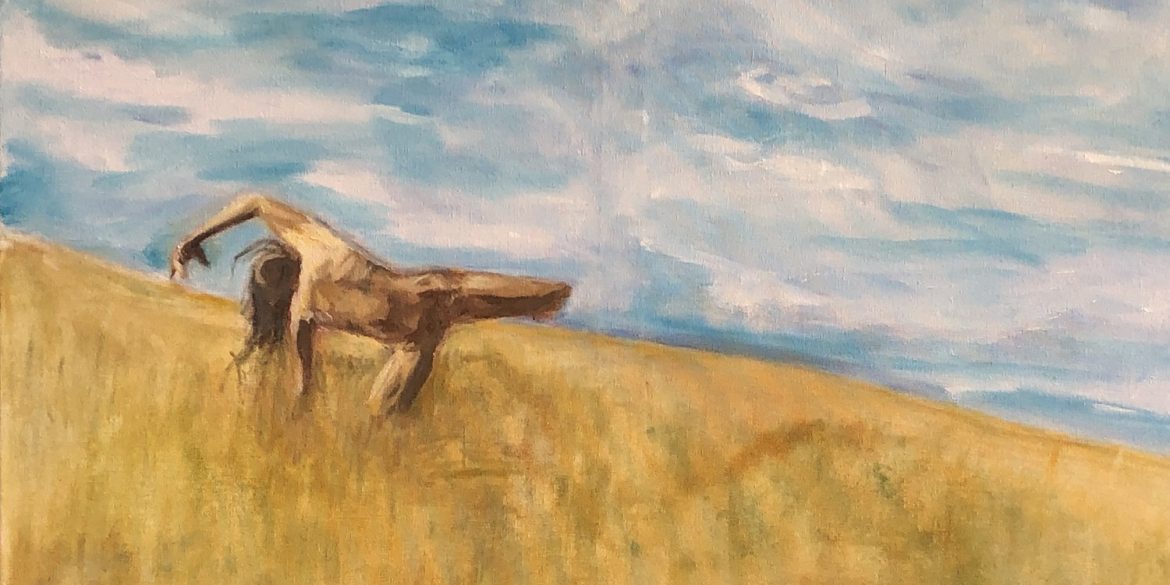

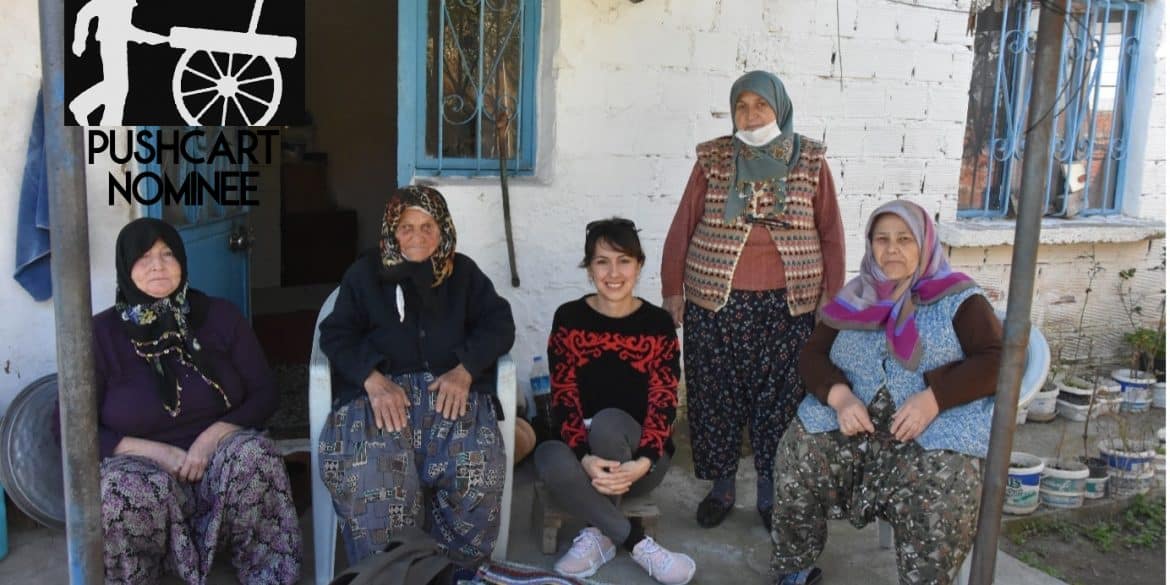
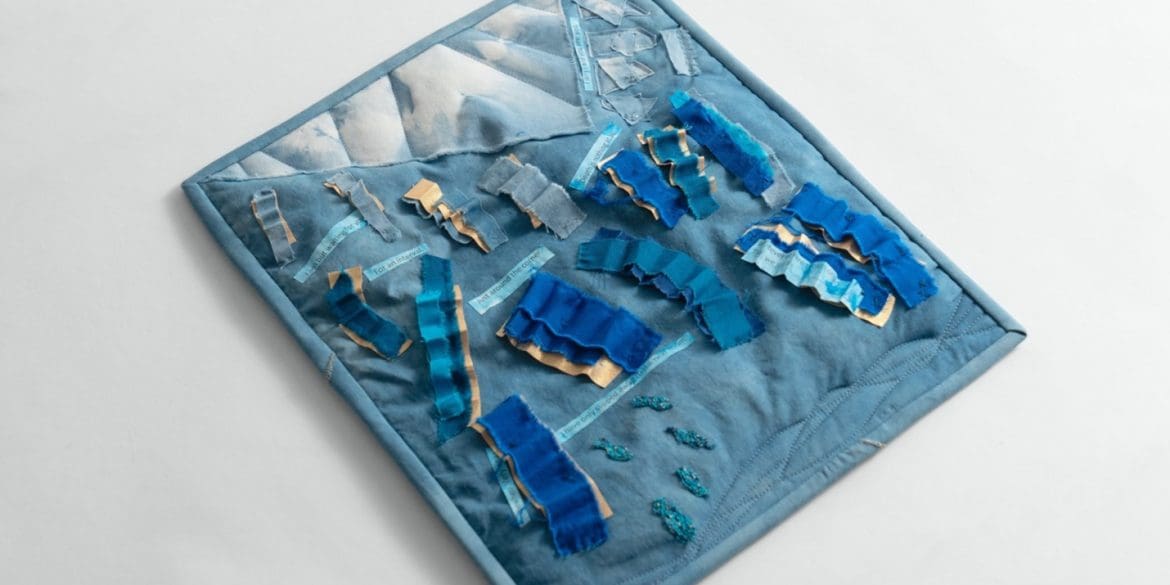
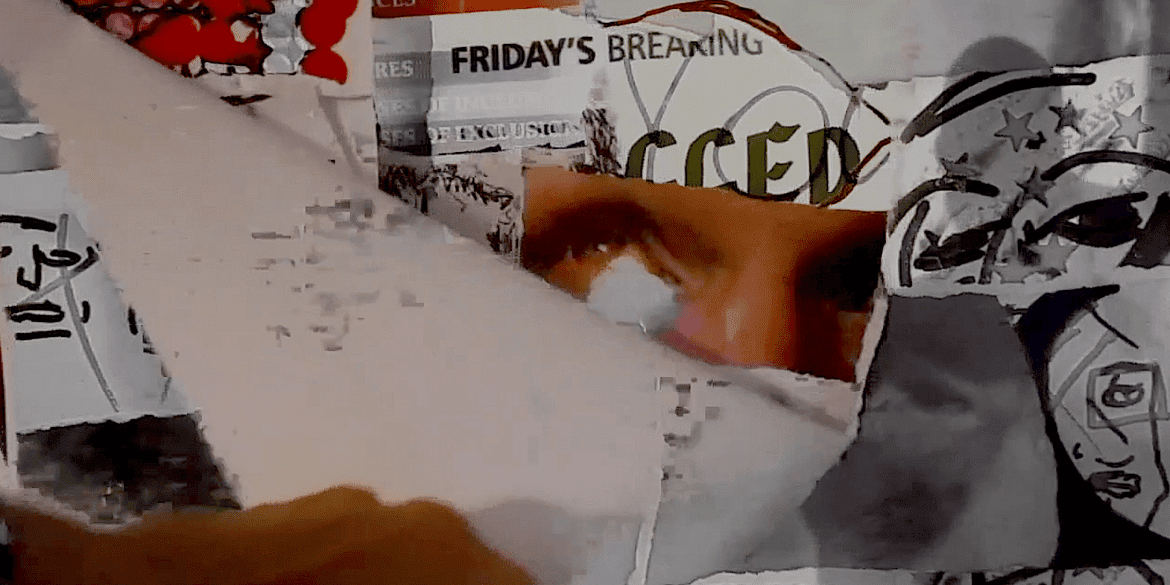
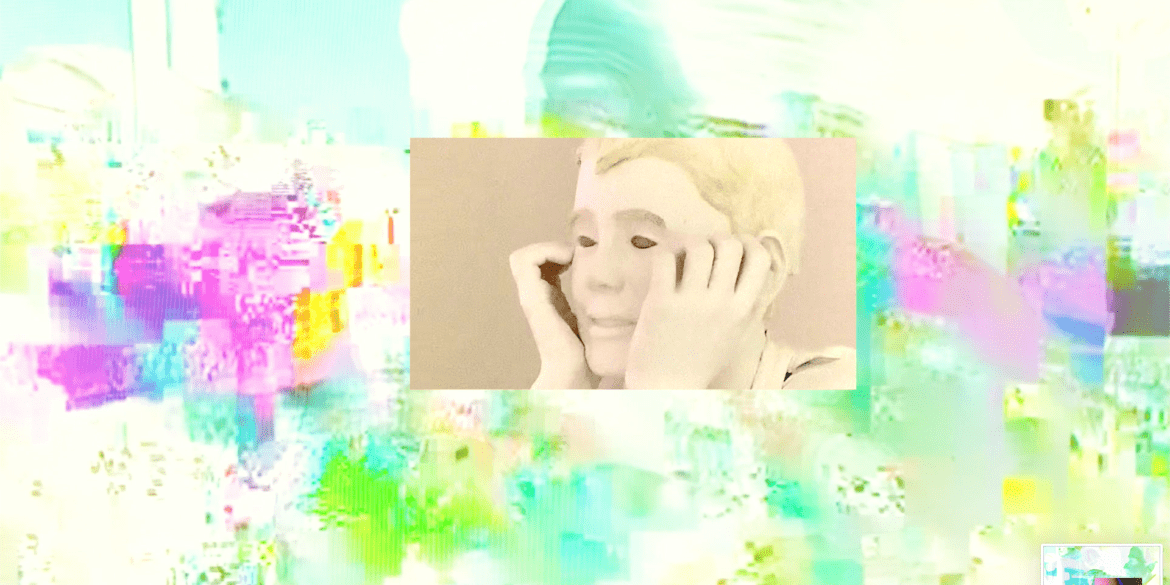

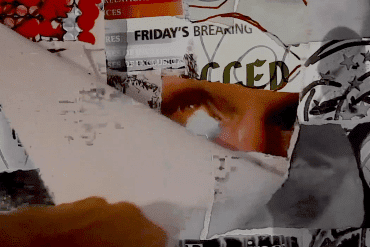
"'SEE ME, Windows to the Self of the Performer-Autoethnographer' explores the question, 'What can I learn about myself by making artwork as autoethnography'?
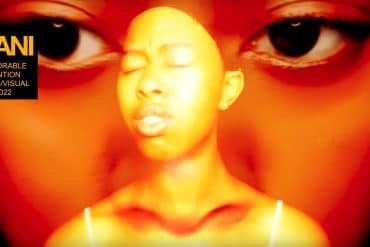
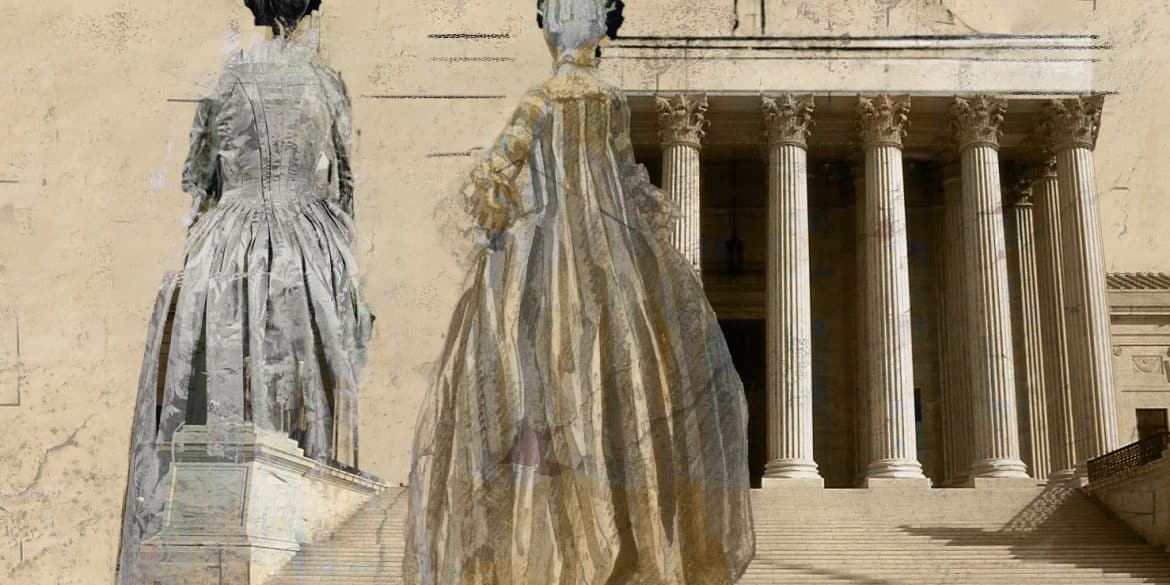
“A Seat at the Table” is the autoethnographic manifestation of my vulnerability, anger, and anguish, of my black feminist grit."
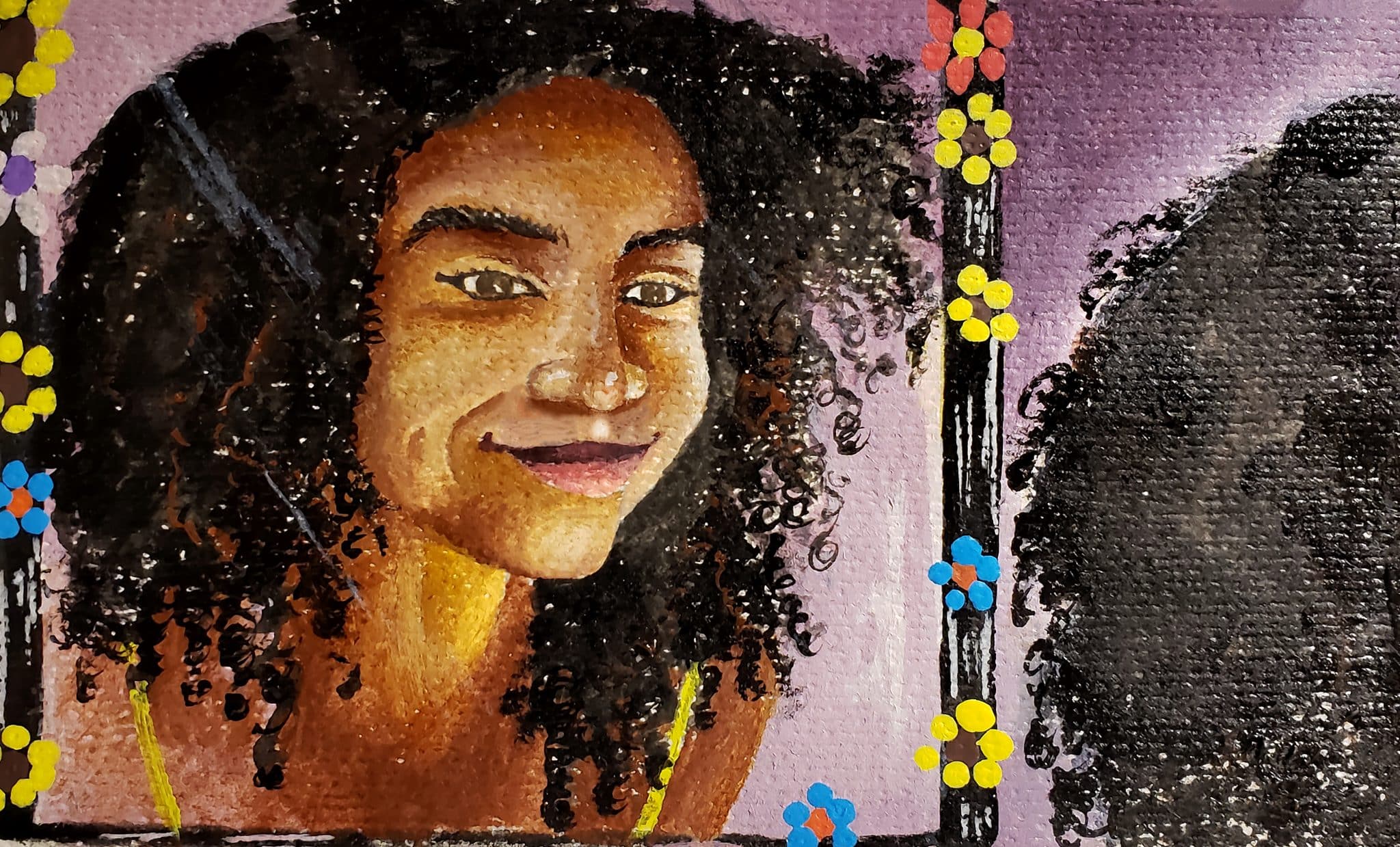
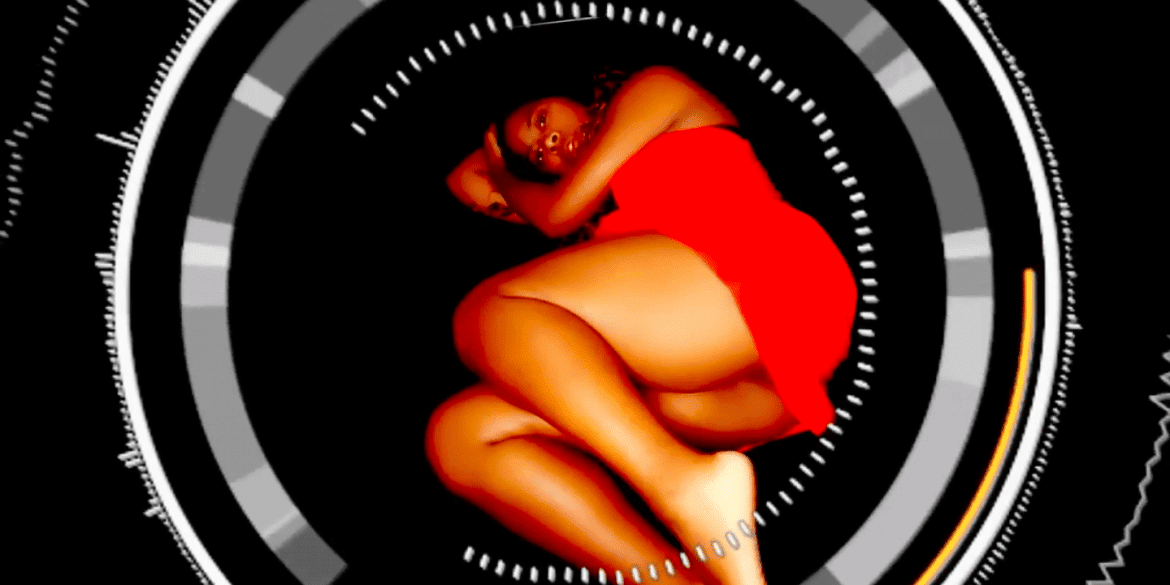
"My oil on canvas series, "Journey of Self Love," depicts a variation of obstacles I've personally had to endure throughout my life as a woman."

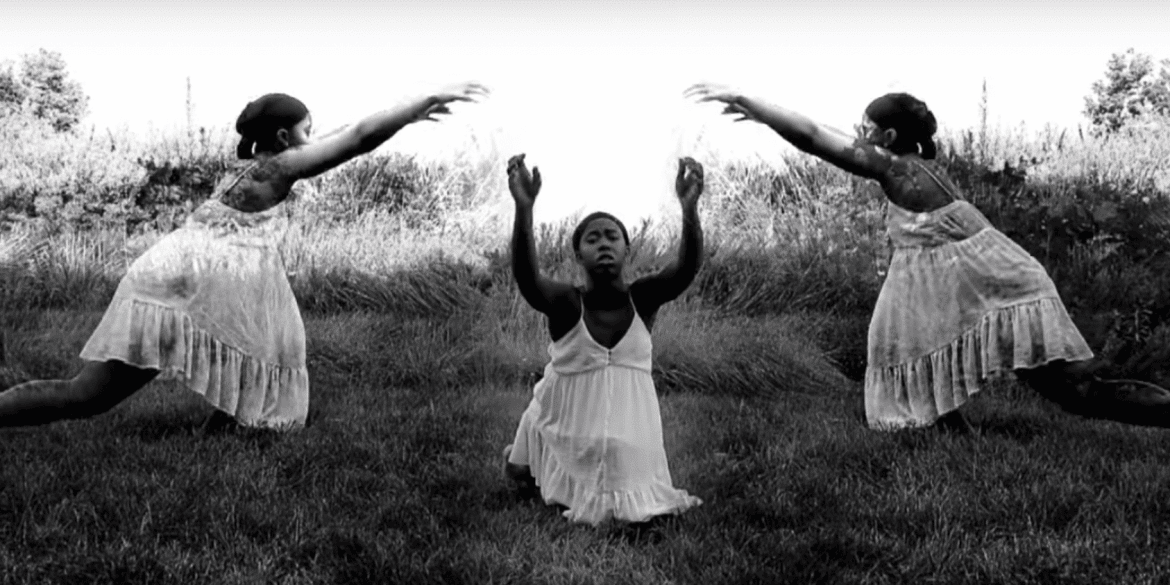
Eternal Glow: Black Womanhood’s Story Of Love and Resilience Author’s Memo These three poems are autoethnographic as they...
Poet Anne McCrary Sullivan discusses her latest book Learning Calabar, Notes from a Poet’s Year in Nigeria with editor Michelle Reale.

"This poem is rumination on how the personal experience of volunteering in never-before-seen flood relief efforts in the remote north reinforces the research that 'many of the changes observed in the climate are unprecedented in thousands, if not hundreds of thousands of years.'"
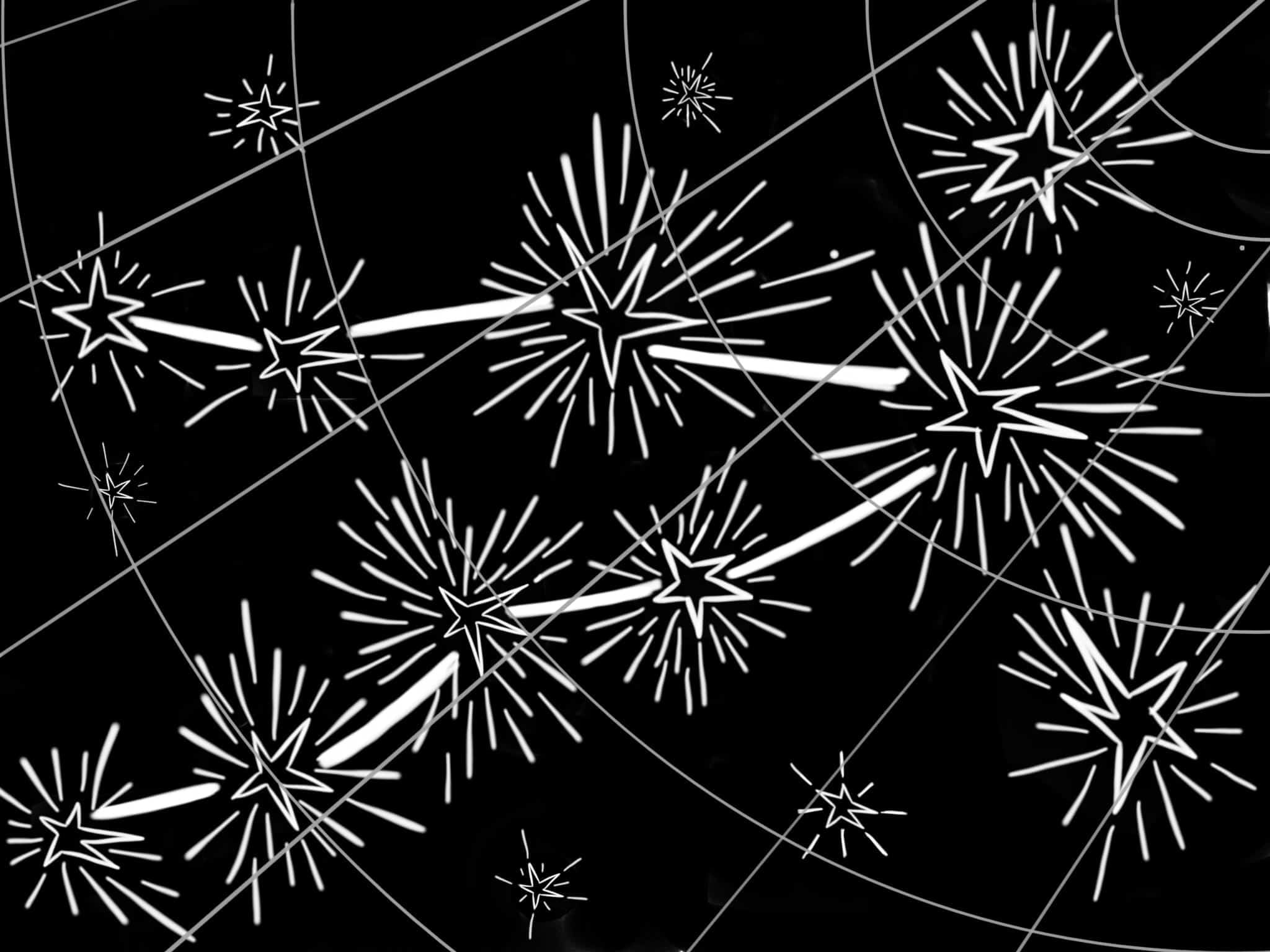
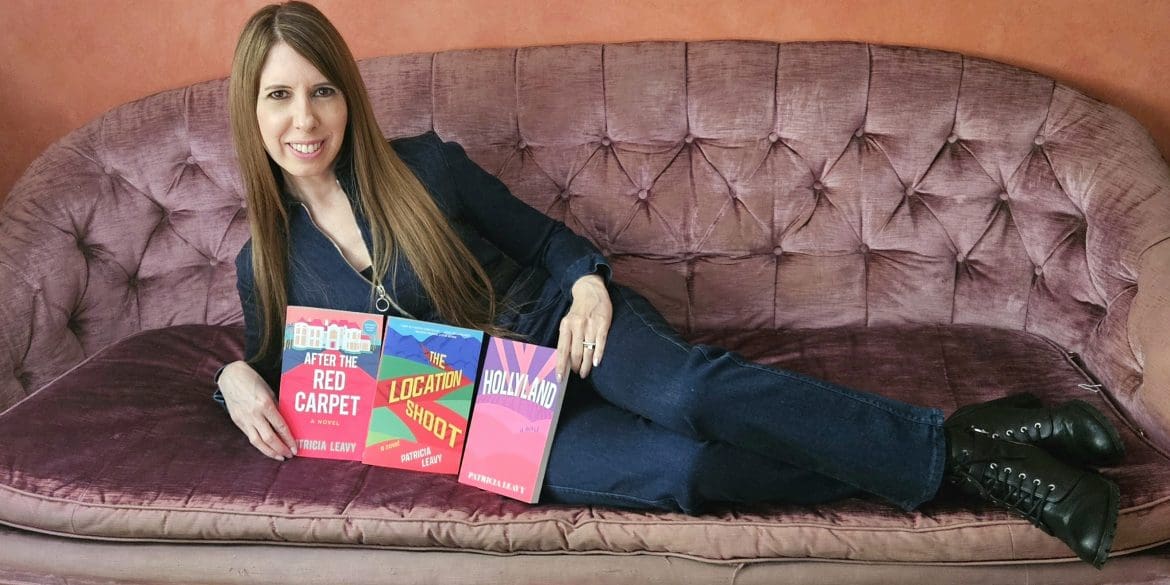
"Although I never planned it, I wrote a series of novels, Celestial Bodies, that have pierced my heart in a way nothing else ever has, changing me as a writer and as a person."
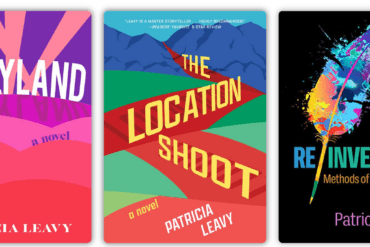
Patricia Leavy·
All ContentAutoethnographic EssaysCelebrating Dr. Patricia Leavy's Social Fiction 2024MoreReflections on MethodSpecial Issues
··11 min readWriting fiction allows me to document reality and to reimagine it, just as we can always reimagine ourselves. And that is why we need stories.
Through our collaborative autoethnography, we learned that intentionally spending time with grief is well worth the effort.
Patricia Leavy·
All ContentAutoethnographic EssaysCelebrating Dr. Patricia Leavy's Social Fiction 2024MoreReflections on MethodSpecial Issues
··11 min readWriting fiction allows me to document reality and to reimagine it, just as we can always reimagine ourselves. And that is why we need stories.

Christine Sleeter·
All ContentAutoethnographic EssaysCelebrating Dr. Patricia Leavy's Social Fiction 2024MoreReflections on MethodSpecial Issues
··23 min readChristine Sleeter writes about Dr. Patricia Leavy's new genre, Sleeter's own books and her reflections on the social fiction series.
Terry Graff·
All ContentAutoethnographic Art & MultimediaAutoethnographic EssaysClimate Change Special Issue, 2022Special Issues
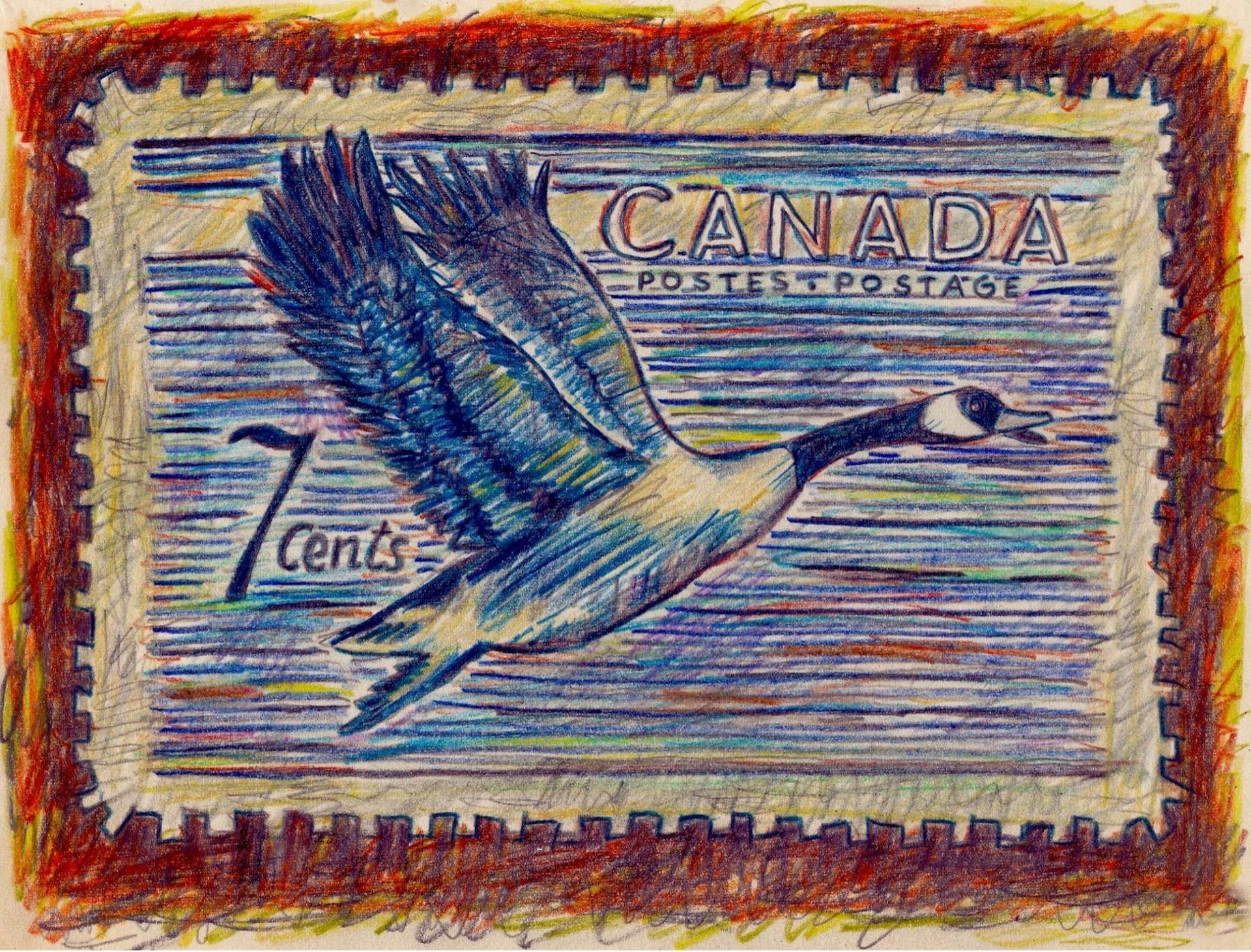
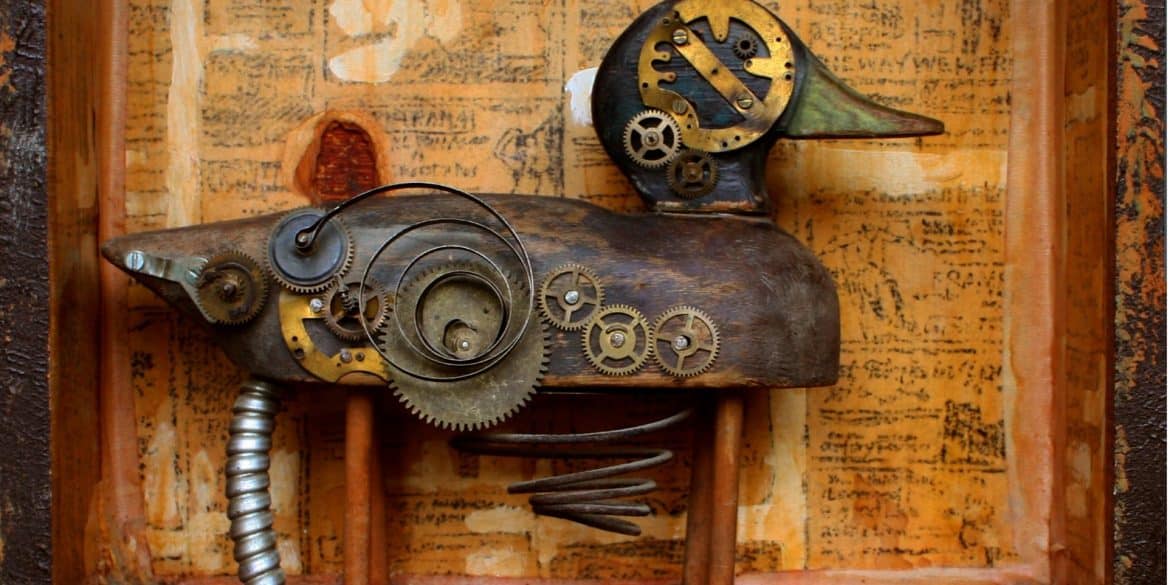
··13 min read"In retrospect, it was inevitable that birds and machines would converge in my work as a life-long exploration and expression of the relationship between nature and technology through the creation of avian cyborgs, the genesis of which can be traced back to my early drawings of robots and of the bygone birds of my childhood."
NEWS, INTERVIEWS & REVIEWS

"In my interview with award-winning author Patricia Leavy on literary research, we also discuss her evolution from academic to novelist, her genre of "social fiction," and her latest novels series, Celestial Bodies."
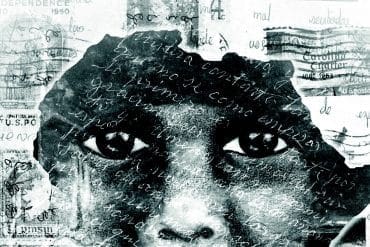
In The AutoEthnographer’s latest podcast, Marlen Harrison talks with Sandra Faulkner about collage and visual poetry.
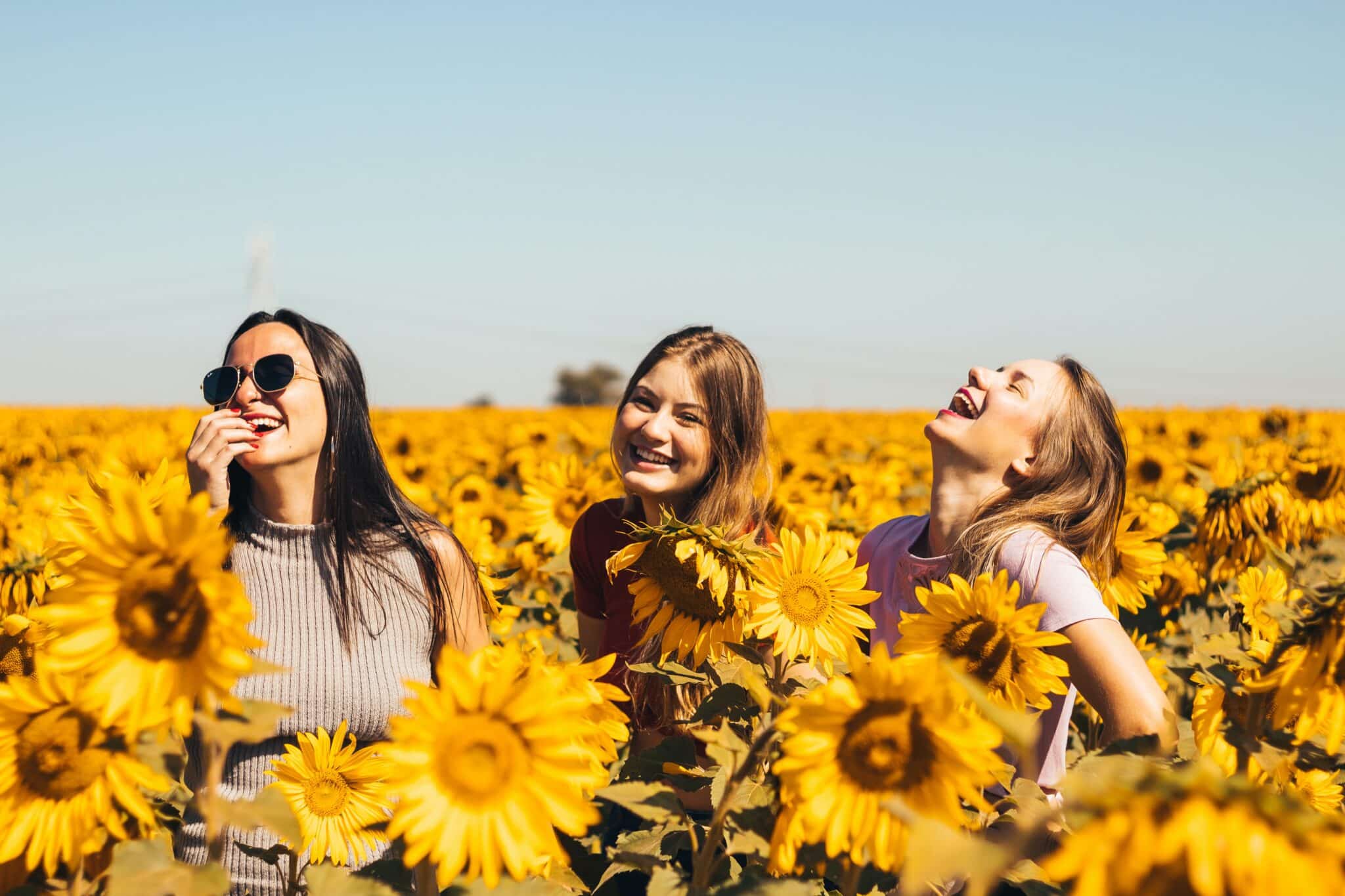
In the women’s history month, The AutoEthnographer supported "Her Story Leads: Amplifying Women’s voices through digital storytelling".
SPECIAL ISSUES






EDUCATION, INTERVIEWS, PODCASTS, & REVIEWS



REFLECTIONS ON METHOD