
POPULAR ARTICLES




autoethnographer: one who uses lived experience as evidence with which to explore cultural phenomena.
FROM OUR ARCHIVES
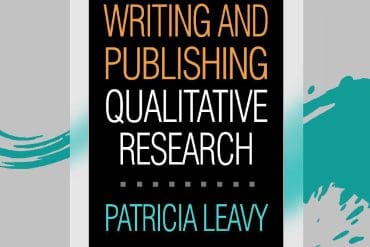
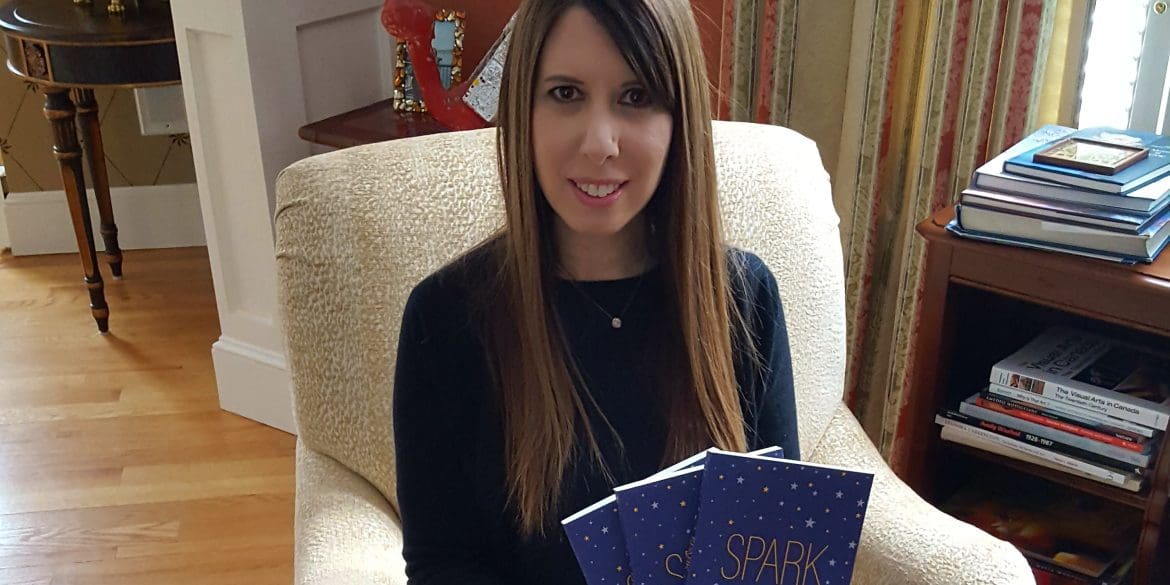
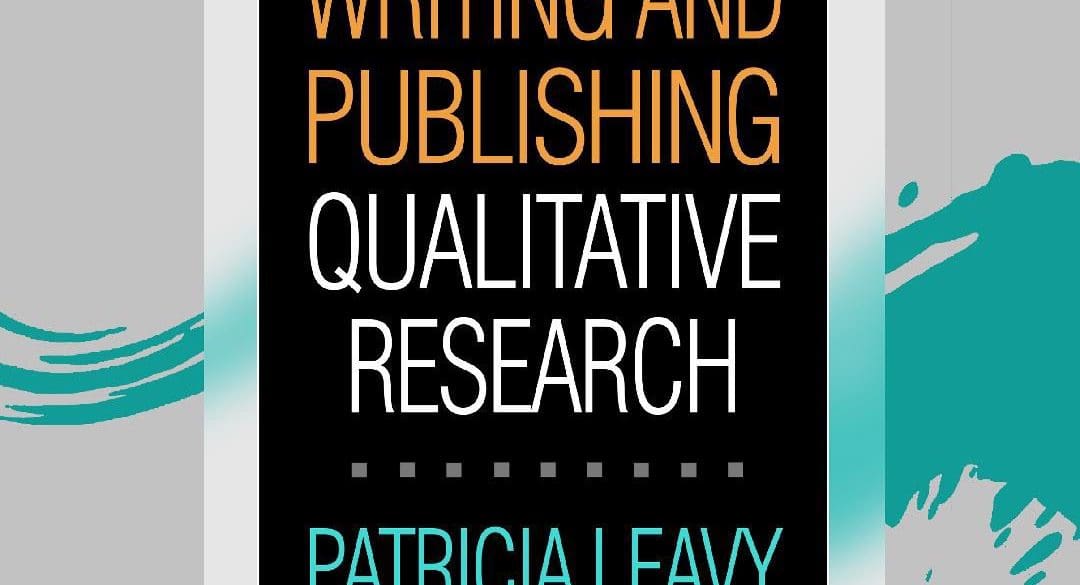
Leavy’s Writing and Publishing Qualitative Research is a comprehensive guide that navigates the intricate landscape of qualitative research from the writing phase to publishing.

In this essay, the current reality of queerness is juxtaposed against milestones in my own life as a queer man in America.

Christine Sleeter·
All ContentAutoethnographic EssaysCelebrating Dr. Patricia Leavy's Social Fiction 2024MoreReflections on MethodSpecial Issues
··23 min readChristine Sleeter writes about Dr. Patricia Leavy's new genre, Sleeter's own books and her reflections on the social fiction series.

"I'm proud to announce that this week, on July 13, Rowman & Littlefield will traditionally publish my second book, Coping with Parental Death: Insights and Tips for Teenagers."

In this new issue from The AutoEthnographer, we follow a ballerina through the desert, glimpse into the funeral industry, and process parental grief.

"This is my childhood memory of realizing the power of laughter when everything interior and exterior makes me scared."

Coping with Pet Bereavement: My Forever Love for My Beautiful Cat 'Timi' is definitely not a farewell; it is only a love letter for my beloved cat who got lost on January 15, 2023, days after a magnitude 5.6 earthquake hit southern Türkiye. Like my country, I was also shaken deeply, and like the buildings, my heart almost collapsed.

"My parents drank wine with dinner every night. There’s nothing remarkable about that, but to a kid growing up in Mid-Missouri it was weird."
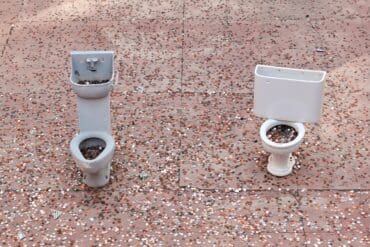
What this essay tries to capture is both the wonder and the inherent horror in potty training.

"I have continued to explore the usefulness of various poetic forms as a mechanism for providing access to suppressed internal voices."
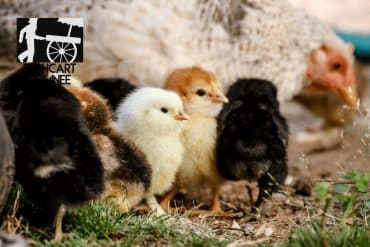
""Mourning (Unfinished)" is an essay about the way my experiences with farm animals helped me come to terms with a miscarriage."

Can a colorless person have any sense of what it feels like to be prejudged against, before “the you - inside yourself” opens your eyes in the morning?
FROM OUR ARCHIVES



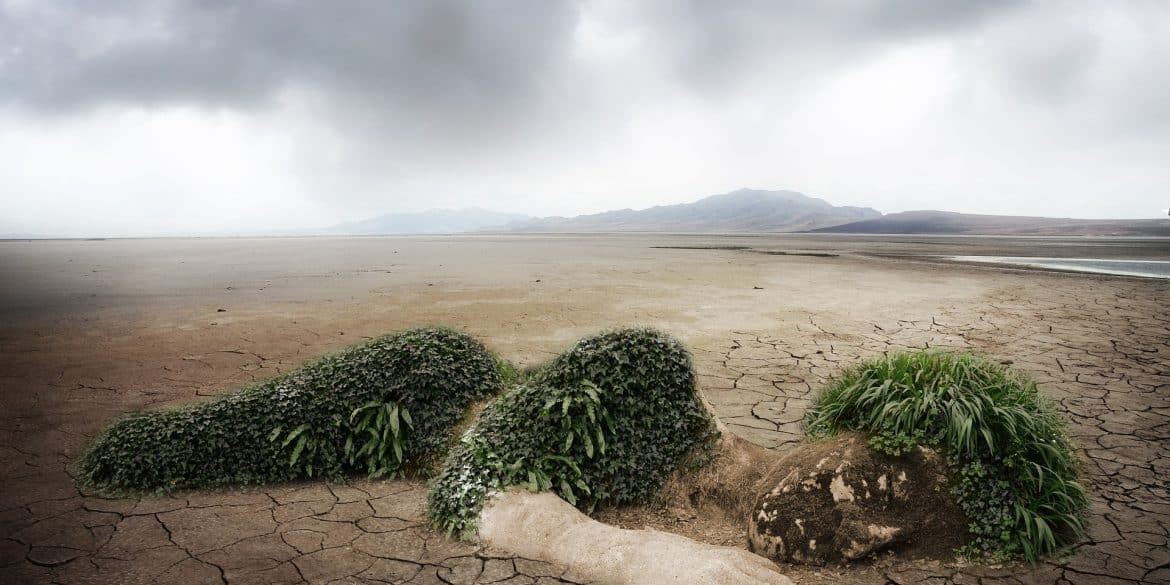

autoethnographer: one who uses lived experience as evidence with which to explore cultural phenomena.

What is autoethnography? The AutoEthnographer's international team of editors offer definitions & suggested readings.

“The AutoEthnographer is an award-winning, non-profit, open-access, peer-reviewed literary and arts magazine dedicated to presenting the creative side of autoethnography, a qualitative research method uniting ethnography and autobiography that utilizes lived experience as evidence with which to explore cultural phenomena." ISSN: 2833-1400
AUTOETHNOGRAPHIC WRITING








AUTOETHNOGRAPHIC POETRY









AUTOETHNOGRAPHIC WRITING

Autoethnographic Literary Nonfiction: I Just Want to Go Home – Moving, Loss and Unacknowledged Grief
"Moving away from a beloved home at a tender age was traumatizing, in part, because that home was the only place in which I felt safe."

I explore the intersection of queer identity and popular culture through the lens of my adolescent crush on rock legend Tina Turner.

This writing is based on storytelling, common in Mexican culture.
AUTOETHNOGRAPHIC MULTIMEDIA






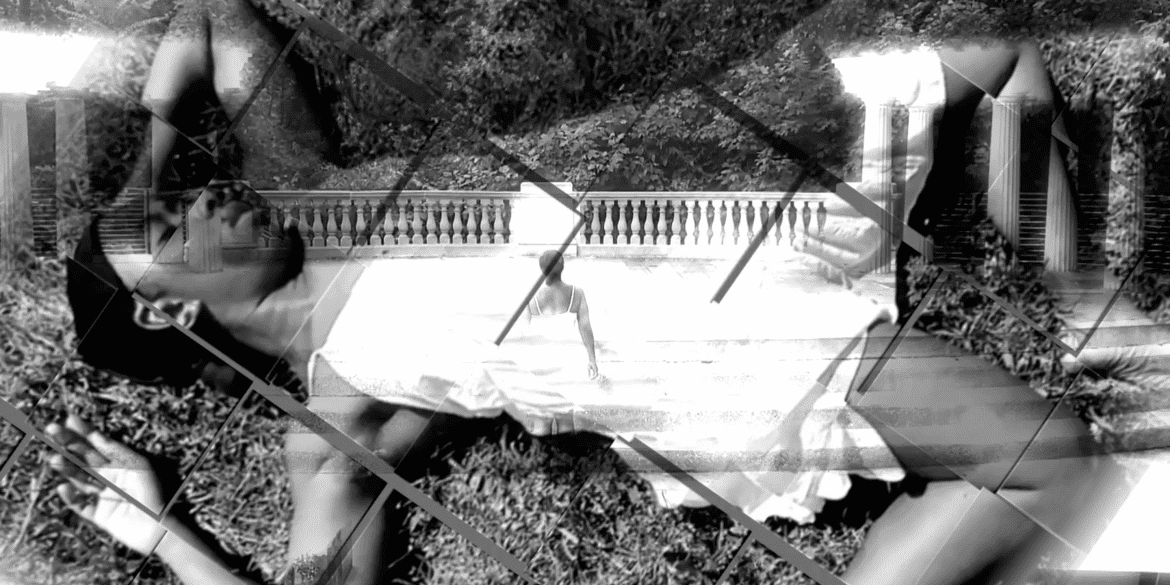


Shanita Mitchell and Marlen Harrison·
All ContentAutoethnographic Art & MultimediaMorePodcastsReflections on MethodVolume 3, Issue 2 (2023)
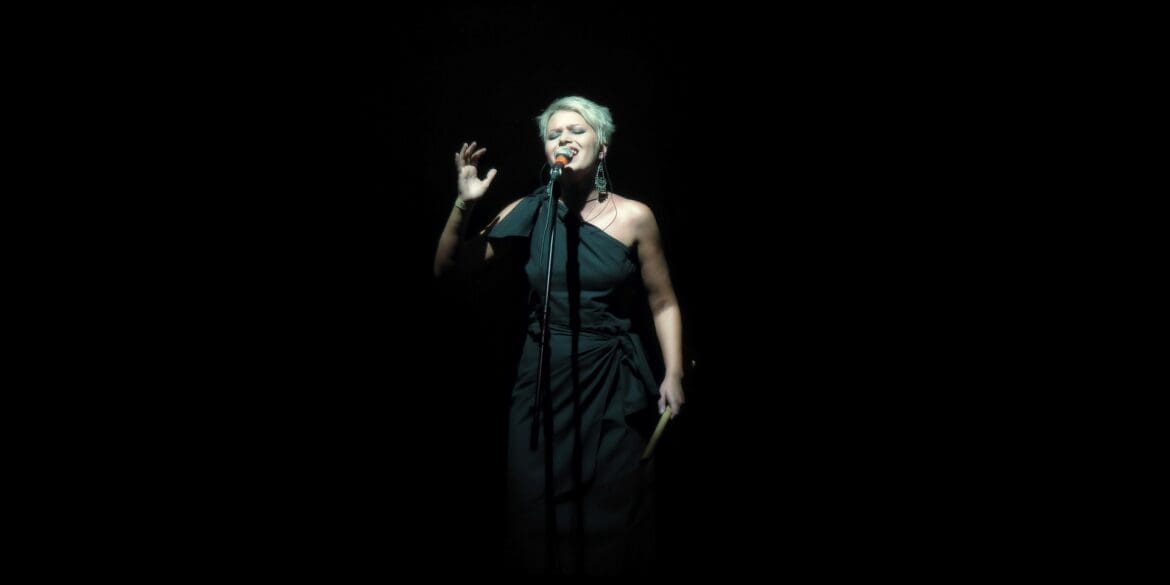
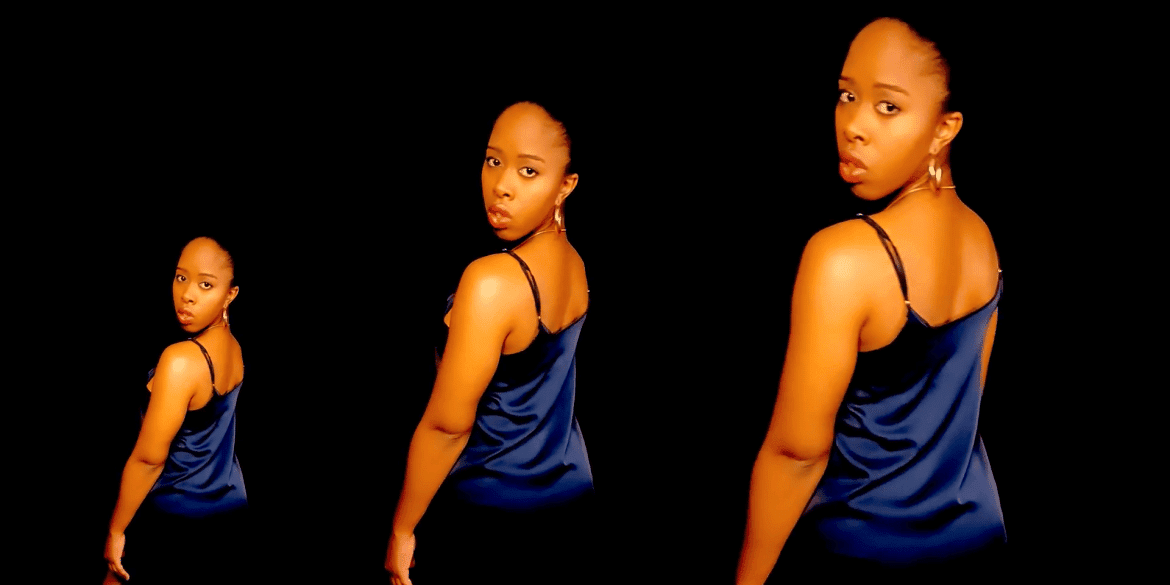
··18 min readToday we're talking with the award-winning author, researcher, and performer, Shanita Mitchell about performance and autoethnography.

The lyrics of "World's Greatest Man" grapple with the paradoxes of participant-observation as well as the ambiguity of development work in Thailand.
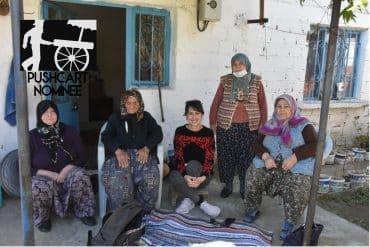
Dilek Isler Hayirli·
All ContentAutoethnographic Art & MultimediaEducationFrom the EditorsMoreReflections on MethodVolume 2, Issue 3 (2022)
··13 min read"I had not been aware that this emotional research was also performing autoethnography, collecting memories from the field"

"While living in Ecuador, I wrote “Home” which essentially is an homage to the “third-culture kid” phenomenon, when your parents are from another country than the one you grew up in."
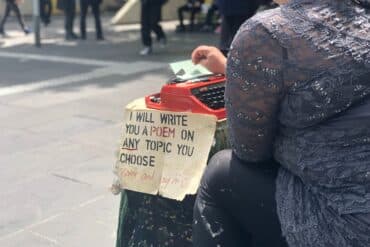
We invite you to participate in National Poetry month with us by reading and writing over at The AutoEthnographer's new Facebook group.

I write out of the consciousness that I am both a product of the violence of war and a migratory being—not only in the strictest sense of physical displacement, but also in belonging.
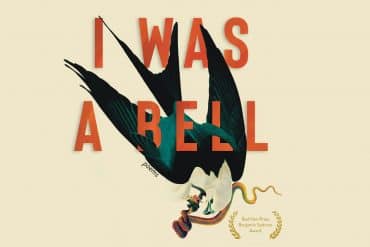
"I’ve already resisted that scholarship is not creative and poetry is not part of my scholarly self. I think the idea of autoethnography allows for that cultural divide between the creative and academic to be really disrupted."

"Once I have the first line or two, the rest of the poem seems to flow rather easily. I write whatever comes to mind. Somewhat like a story rather than a poem. I then start to take out the excess words and phrases and pare it down to the essence of what I wish to say. Other times I do not change a word. The muses come and go on their own. I also believe poetry has chosen me."
"One way to reach broader audiences is to embrace creative nonfiction and use storytelling as academic writing."
Patricia Leavy·
All ContentAutoethnographic EssaysCelebrating Dr. Patricia Leavy's Social Fiction 2024Special Issues
··6 min readStory-worlds were magical—they transported me to different places where I’d meet new people, and learn about their lives in visceral ways.

This is a love letter to my people, my family and a version of me trying to overcome the trauma of almost seeing their mother die.
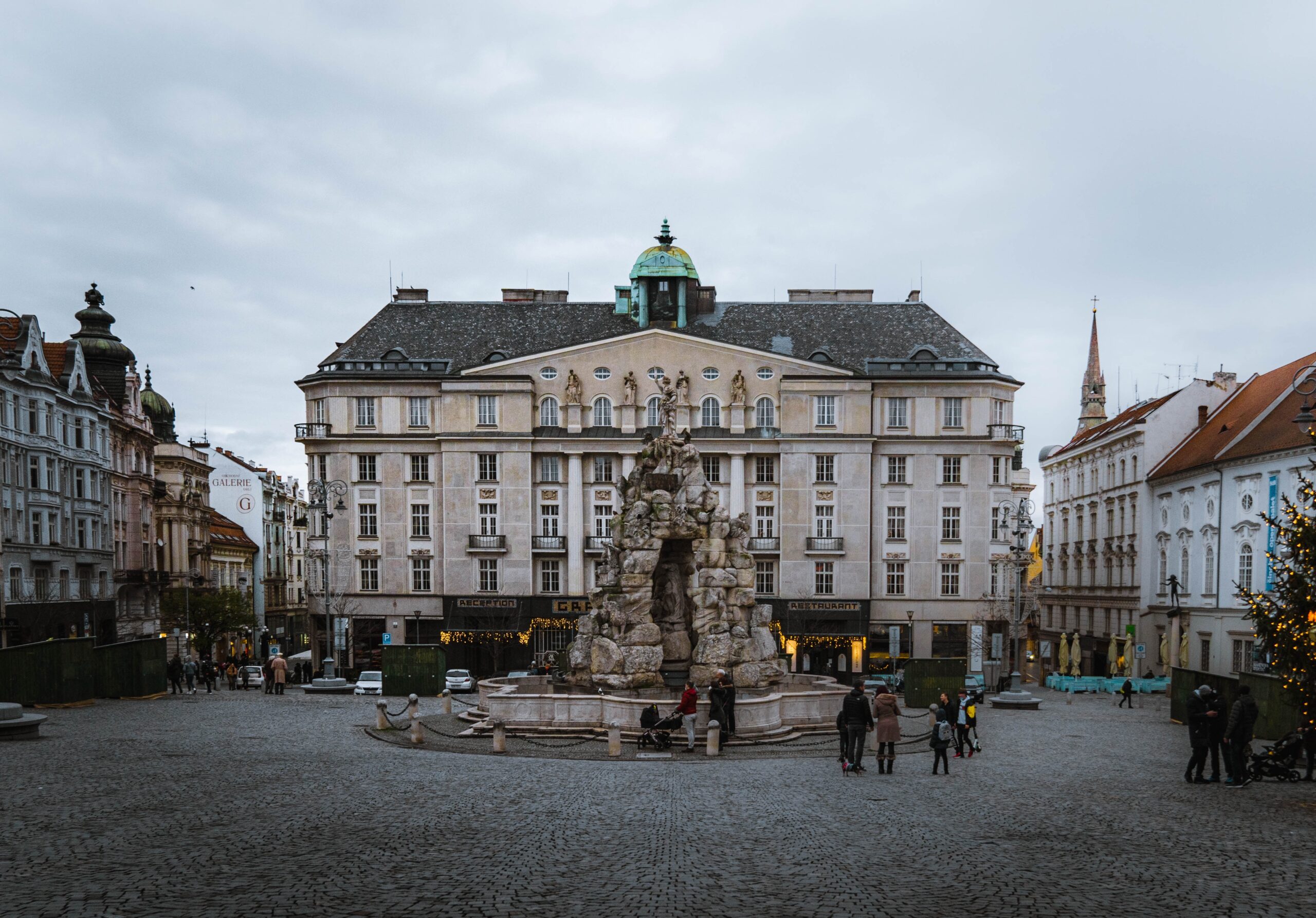
This piece recounts a trip I took to the Czech Republic and it is proof that language barriers similarly embolden people to speak cruelly.
NEWS, INTERVIEWS & REVIEWS
Leavy’s Writing and Publishing Qualitative Research is a comprehensive guide that navigates the intricate landscape of qualitative research from the writing phase to publishing.

"Dr. Nadine Khair discusses why autoethnography is essential to successful businesses in this latest podcast."
"I’ve already resisted that scholarship is not creative and poetry is not part of my scholarly self. I think the idea of autoethnography allows for that cultural divide between the creative and academic to be really disrupted."
SPECIAL ISSUES


Visitation, an Autoethnodrama in One Act
In this autoethnographic play, a woman terminates a pregnancy without telling her husband.





EDUCATION, INTERVIEWS, PODCASTS, & REVIEWS










REFLECTIONS ON METHOD